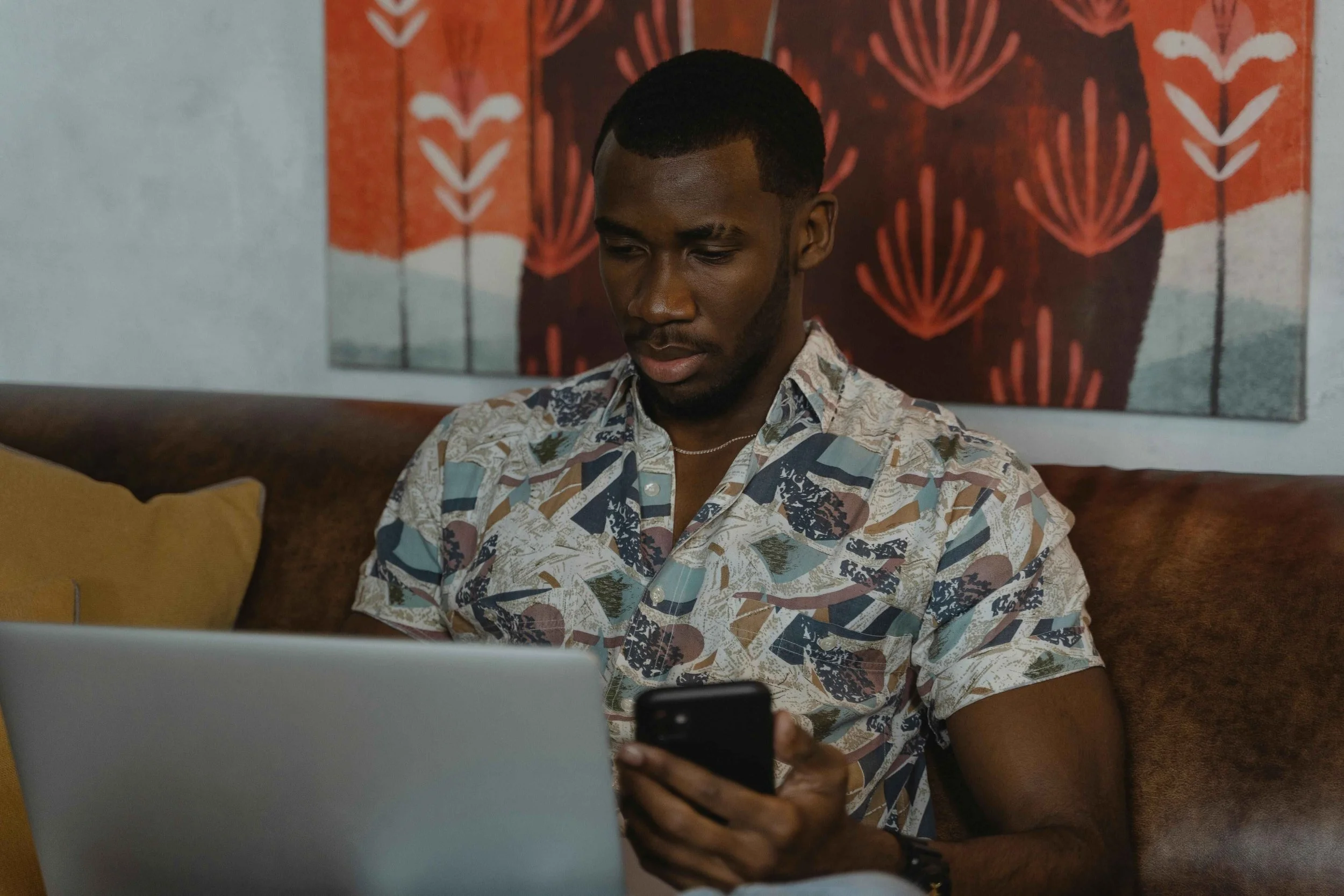
social media comparison

How to Handle Jealousy in Relationships

How to Handle Jealousy in Relationships

Jealousy is one of the most common, and misunderstood, emotions in relationships. It can show up quietly as insecurity or loudly as suspicion, often leaving both partners feeling confused, hurt, or defensive. While jealousy is a natural human response rooted in fear of loss, it does not have to damage a relationship. In fact, when handled thoughtfully, it can become an opportunity to better understand your emotions, strengthen communication, and build deeper trust with your partner.

Learning how to handle jealousy starts with honesty, both with yourself and with your partner. Instead of ignoring or reacting impulsively to jealous feelings, it is important to explore where they come from and what they are trying to tell you. Are they rooted in past experiences, unmet needs, or a lack of reassurance? By approaching jealousy with curiosity rather than blame, couples can turn moments of tension into meaningful conversations that foster emotional intimacy and long-term stability.

How to Stop Chasing Validation

How to Stop Chasing Validation

There is a quiet exhaustion that comes from constantly looking outward for approval. This can look like measuring your worth through likes, praise, or someone else’s opinion of you. Chasing validation can feel productive in the moment, like you are building confidence, but it often leaves you more dependent and unsure of who you really are. The more you rely on others to tell you you are enough, the more power you give away, and the harder it becomes to stand firmly in your own identity.

Learning to stop chasing validation is not about shutting people out or pretending you do not care, it is about shifting where your sense of worth comes from. When you begin to trust your own voice, honor your values, and recognize your inherent worth, something powerful happens: you stop performing for approval and start living with intention. This journey is not instant, but it is one of the most freeing steps you can take toward real self-love.

What Is Digital Overstimulation and How Is It Affecting You?

What Is Digital Overstimulation and How Is It Affecting You?

In today’s hyper-connected world, our brains are constantly bombarded with information, from social media notifications and endless emails to news alerts and streaming content. This constant influx of digital stimuli can overwhelm our mental processing, leaving us feeling drained, unfocused, and even anxious. Known as digital overstimulation, this phenomenon occurs when the sheer volume of information we consume exceeds our brain’s ability to manage it effectively. While technology offers a lot of convenience and connectivity, it also comes with the hidden cost of mental fatigue and reduced cognitive performance.

The effects of digital overstimulation extend beyond mere distraction. Studies have shown that excessive screen time and constant exposure to digital stimuli can impair memory, disrupt sleep patterns, and increase stress levels. It can even alter how we process emotions and interact with others in real life. Recognizing the signs of digital overstimulation; such as restlessness, irritability, or difficulty concentrating; is the first step toward regaining control over your attention and mental well-being. In this blog, we will explore what digital overstimulation is, how it impacts your life, and practical strategies so you can reclaim your focus and sense of balance!

5 Ways to Deal with Digital Burnout

5 Ways to Deal with Digital Burnout

In today’s hyper-connected world, digital burnout has become an increasingly common challenge. Constant notifications, endless social media scrolling, and the pressure to stay “always available” can leave both teens and adults feeling mentally exhausted, emotionally drained, and physically fatigued. Unlike traditional stress, digital burnout comes from a combination of screen overuse, information overload, and the subtle anxiety of online interactions, making it harder to recognize until it significantly affects mood, focus, and daily functioning.

The good news is that digital burnout is manageable with conscious strategies and small, consistent changes. By setting boundaries, prioritizing offline activities, and practicing mindful technology use, it is possible to regain control over your time and mental energy. In this blog, we will explore five practical ways to deal with digital burnout, helping you reconnect with yourself, reduce stress, and reclaim balance in an always-online world.

What Grief Can Look Like During The Holidays

What Grief Can Look Like During The Holidays

The holidays are often painted as a season of joy, togetherness, and celebration but for those who are grieving, they can feel heavy, disorienting, and painfully quiet all at once. Grief during the holidays does not always look like tears at the table or visible sadness. Sometimes it shows up as numbness, exhaustion, irritability, or a deep sense of not belonging in moments that are supposed to feel warm and familiar. The contrast between personal loss and public celebration can make grief feel sharper, more isolating, and harder to explain. Research shows that, each year, roughly 35-40% of Americans feel too sad or too stressed to celebrate the holidays due to loss, loneliness, and additional factors. 

Grief can also be unpredictable during this season. One moment you may feel okay while laughing at a memory or enjoying a small tradition and the next you may feel overwhelmed by a song, a scent, or an empty chair. There is no right way to grieve during the holidays, and no timeline you are expected to follow. Understanding what grief can look like during this time is not about fixing it or making it disappear, but about offering yourself compassion and permission to feel whatever comes, exactly as it is.

Why Perfectionists Struggle with Sleep

Why Perfectionists Struggle with Sleep

Perfectionists often pride themselves on discipline, high standards, and attention to detail but those same traits can come with a hidden cost: sleepless nights. When the mind is constantly evaluating, planning, and replaying “what could have been done better,” it is hard to fully switch off. Even small mistakes or unfinished tasks can trigger worry and rumination, making it nearly impossible to drift into deep, restorative sleep. For perfectionists, bedtime is not just a chance to rest, it can become another arena for self-criticism and mental overdrive.

Understanding why perfectionists struggle with sleep requires looking beyond lifestyle habits and examining the underlying psychological patterns. The need for control, fear of failure, and tendency to overanalyze can keep the brain in a heightened state of alertness long after the day ends. By exploring the connection between perfectionism and insomnia, we can uncover strategies to quiet the mind, manage expectations, and finally allow rest to feel deserved rather than earned.

Is Doomscrolling Really That Bad?

Is Doomscrolling Really That Bad?

Doomscrolling, the act of endlessly scrolling through negative or distressing news on social media, has become an all-too-familiar habit in today’s digital age. While it may seem like a harmless way to pass the time, research suggests that this constant exposure to unsettling information can have a real toll on our mental health. The more we consume, the more likely we are to feel anxious, overwhelmed, or even helpless as the barrage of bad news seems relentless and often out of our control. 

Despite its reputation, doomscrolling does not have to be an inherently damaging activity. It all depends on how we engage with the information and how much we let it affect us. With the right mindset and conscious boundaries, we can learn to navigate the digital world without letting it drag us into a spiral of stress and anxiety. Understanding why doomscrolling happens and how to break the cycle can offer a path toward a healthier relationship with the constant flow of news.

Love Island and the Pressure of Perfection

Love Island and the Pressure of Perfection

Love Island has become a cultural phenomenon, captivating people with its sun-filled villas and dramatic love stories. However, behind the glitz and glamour, there lies a darker reality: the intense pressure to embody perfection. Contestants are thrust into a world where their looks, personalities, and relationships are constantly scrutinized by both viewers and social media, creating an environment where self-worth is often measured by external validation. This constant spotlight can be mentally and emotionally taxing, especially for those who enter the villa seeking love and personal growth only to be met with the opposite experience of overwhelming expectations.

In this blog, we will explore how the quest for "perfection" on Love Island not only affects the mental health of contestants but also influences viewers. The narrative of flawless beauty, drama-filled romances, and constant competition perpetuates unrealistic ideals, raising important questions about body image, self-esteem, and the psychological toll of living up to society’s standards. Through this lens, we will dive deeper into the pressures of reality TV and examine how they contribute to an ongoing conversation about mental health in the entertainment industry.

Is Retroactive Jealousy Normal?

Is Retroactive Jealousy Normal?

Retroactive jealousy is the uncomfortable feelings triggered by your partner’s past relationships or experiences. It can be surprisingly common, yet it may leave you feeling isolated, ashamed, or confused. Whether it is fixating on exes, overanalyzing old social media posts, or imagining past romantic encounters, many individuals silently grapple with these intrusive thoughts and wonder if their emotional reactions are healthy or harmful.

In this blog post, we will explore the psychology behind retroactive jealousy, why it happens, and most importantly, whether it is considered "normal." Understanding this phenomenon can help you navigate your emotions with greater clarity and compassion while distinguishing between manageable insecurity and deeper emotional patterns that may need attention.

How Does Social Media Affect Depression?

How Does Social Media Affect Depression?

In today’s hyperconnected world, social media platforms like Instagram, TikTok, and Facebook have become integral parts of our daily routines. They offer a constant stream of content, instant communication, and the ability to stay in touch with friends, trends, and news from around the world. However, as our screen time increases, so do concerns about its impact on mental health, particularly depression. More people, especially teens and young adults, report feelings of sadness, loneliness, and anxiety after prolonged exposure to curated online lives and unrealistic standards of success or beauty.

While social media can foster a sense of community, validation, and self-expression, it can also fuel harmful cycles of comparison, cyberbullying, and information overload. The contrast between someone’s highlight reel and one’s real life can leave users feeling inadequate or isolated. Researchers and mental health professionals are actively studying the relationship between social media use and depressive symptoms, raising important questions about how these platforms might influence our emotional well-being in both positive and negative ways.

What Is It Like Being The Golden Child?

What Is It Like Being The Golden Child?

If you are the golden child in your family, chances are that you feel like you are living in a spotlight- always praised, always expected to succeed, and often held up as the example for others to follow, especially siblings. Parents, teachers, and even extended family members may shower you with admiration, reinforcing a sense of confidence and achievement. To learn more about your sense of self-confidence, check out our blog “The Ultimate Guide to Building Self-Confidence.” Knowing that your accomplishments are met with pride and celebration can be very validating and keep you in a loop of wanting to seek constant approval from other people. At times, you may even feel like you can do no wrong in the eyes of others. You may find that your mistakes are overlooked or easily forgiven. 


However, the role of the golden child is not always as perfect as it seems. The pressure to maintain high expectations can be overwhelming, leading to feelings of anxiety, imposter syndrome, or fear of failure. You might feel like your worth is tied solely to your achievements, making it difficult to express vulnerability or make mistakes without disappointing others. Additionally, relationships with siblings can be strained as they may resent the preferential treatment you receive. Being the golden child can be both a privilege and a burden, shaping your self-worth and family dynamics in ways that are not always obvious at first glance. If you resonate with being a golden child, keep reading this blog.

The Impact of Trauma on LGBTQIA+ Lives

The Impact of Trauma on LGBTQIA+ Lives

For many people within the LGBTQIA+ community, the journey of identity acceptance is intertwined with unique celebrations and challenges alike. Unfortunately, for many people in the LGBTQIA+ community, trauma is a common experience that ranges from rejection and discrimination to systematic oppression. Every person’s story is different and the impact of trauma can leave great marks on one’s self-esteem, relationships, and overall mental health and well-being. Recognizing how the experiences in your life affected you is the first step to healing.


Trauma in the LGBTQIA+ population is typically rooted in external pressures to conform to the norms of society. Bullying, family rejection, workplace discrimination, and religious condemnation are just some examples of negative LGBTQIA+ experiences that can create deep emotional scars. There are also systemic barriers in place, from exclusion in certain spaces to a lack of access to affirming care, that can worsen these effects. Even microaggressions can create an ongoing sense of alienation. There are very specific challenges at play for marginalized communities, particularly those in the LGBTQIA+ community.


Understanding the impact of trauma on LGBTQIA+ people is important to create a sense of resilience and carve a path to healing. Particularly with LGBTQIA+ youth, only 4% of people in this community reported never having experienced any symptoms of trauma according to the Trevor Project. With a LGBTQIA+ affirming therapist at Anchor Therapy, you both can create a space where you are seen, valued, and safe.

Are Dating Apps Bad For Your Mental Health?

Are Dating Apps Bad For Your Mental Health?

In today’s world, dating apps have become commonplace. They have become the standard way to meet people and connect, offering access to thousands of potential romantic partners with a simple swipe or tap. There is no denying the convenience of these apps and how easy they make it to meet new people and expand your social circle, but have you ever wondered how online dating can impact your mental health? Do dating apps actually help people find meaningful connections? Do dating apps leave you feeling more isolated than before? More anxious? More dissatisfied?


In this blog, we will explore the complex impact of dating apps on one’s mental health, analyzing both the excitement they offer and the emotional toll they can take. Whether you are an avid user of dating apps or utilize them reluctantly, it is important to understand how online dating can impact your self-esteem, relationships, self-confidence, and overall happiness.

How to Stop Comparing Yourself to Other People

How to Stop Comparing Yourself to Other People

While we all may try our hardest, it is human nature to compare ourselves to other people from time-to-time. You see a man in the gym and wish you had his muscles. You pass a particularly stylish woman in the street and yearn for her wardrobe. You scroll endlessly on social media and envy the lives of online influencers, longing for their money and the freedom to pick up and travel to wherever you wish.

The tendency to compare yourself to other people is a subconscious behavior, but it is one that is important to keep in check, especially if you find yourself comparing yourself to many people on a daily basis. While this type of social comparison may inspire you to be better, it could also lead to negative thoughts.