

In today’s hyper-connected world, digital burnout has become an increasingly common challenge. Constant notifications, endless social media scrolling, and the pressure to stay “always available” can leave both teens and adults feeling mentally exhausted, emotionally drained, and physically fatigued. Unlike traditional stress, digital burnout comes from a combination of screen overuse, information overload, and the subtle anxiety of online interactions, making it harder to recognize until it significantly affects mood, focus, and daily functioning.
The good news is that digital burnout is manageable with conscious strategies and small, consistent changes. By setting boundaries, prioritizing offline activities, and practicing mindful technology use, it is possible to regain control over your time and mental energy. In this blog, we will explore five practical ways to deal with digital burnout, helping you reconnect with yourself, reduce stress, and reclaim balance in an always-online world.
Anchor Therapy is a counseling center in Hoboken, NJ with mental health therapists specialized in helping children, teens, adults, couples, and families with anxiety, depression, relationship issues, trauma, life transitions, and more. Anchor Therapy is accepting new clients and is now providing in-person sessions and teletherapy sessions to residents of New Jersey, New York, and Florida.
What Is Digital Burnout and How Is It Different from Regular Stress?
Digital burnout is a form of mental, emotional, and physical exhaustion caused by overuse of digital devices, constant online engagement, and exposure to information overload. Unlike typical stress which can be triggered by specific events or responsibilities, digital burnout often develops gradually as people spend prolonged periods connected to screens without adequate breaks. It can manifest in feelings of fatigue, irritability, difficulty concentrating, and even a sense of detachment from both online and offline life. While technology itself is not inherently harmful, the constant demands of notifications, social media, emails, and online multitasking can overwhelm the brain and nervous system, leading to chronic exhaustion.
Signs of digital burnout include:
Feeling mentally exhausted or “foggy” after using devices
Irritability, mood swings, or emotional sensitivity
Difficulty concentrating or staying focused
Persistent fatigue or low energy, even after rest
Headaches, eye strain, or neck and back pain
Trouble sleeping or disrupted sleep patterns
Loss of motivation for offline activities or hobbies
Feeling overwhelmed by constant notifications or messages
Increased anxiety or stress linked to online interactions
Social withdrawal or avoiding real-life connections
Feeling detached or numb, sometimes referred to as “digital burnout numbness”
Reduced productivity or procrastination due to mental overload (View our blog “How to Stop Procrastinating”)
One of the key differences between digital burnout and regular stress is its source and pattern. Traditional stress usually arises from identifiable pressures, like exams, deadlines, or interpersonal conflicts, and often fades once the stressor is removed. Digital burnout, however, stems from prolonged exposure to screens, information, and virtual interactions that rarely have clear boundaries. Even when there is no urgent task, scrolling social media, responding to messages, or checking notifications can keep the mind in a state of alertness, making it harder to relax or recover. This constant stimulation prevents the mental breaks that are essential for emotional and cognitive recovery.
Emotionally, digital burnout can feel subtle yet pervasive. People may notice increased anxiety, irritability, or mood swings, often triggered by seemingly minor online interactions. Comparison on social media can amplify feelings of inadequacy, and the constant pressure to “stay updated” can create a cycle of worry and overthinking. In contrast, regular stress tends to cause acute emotional responses that are linked to specific events and often subside once the situation resolves. Digital burnout, on the other hand, is ongoing and cumulative, slowly eroding mental resilience over time.
Physically, digital burnout also presents differently from traditional stress. Extended screen time can contribute to headaches, eye strain, neck or back pain, and disrupted sleep patterns due to blue light exposure. Fatigue may persist even after rest as the brain remains overstimulated. Regular stress may cause temporary tension or sleep disruption, but these effects usually decrease when the stressor ends or relaxation techniques are applied. In digital burnout, the body and mind remain “on alert” because digital interactions are ongoing and habitual, making recovery more difficult without intentional intervention.
Ultimately, digital burnout is distinguished by its chronic, technology-related nature and the way it impacts multiple areas of life simultaneously. While stress can be a normal, manageable response to challenges, digital burnout represents a deeper, cumulative strain caused by constant online engagement. Understanding this difference is crucial because the strategies to manage digital burnout; like setting screen boundaries, scheduling offline time, and practicing mindful technology use; differ from typical stress-relief methods. Recognizing the signs early and addressing them proactively can help prevent long-term mental and physical health consequences.
To learn more, our blog “Navigating Social Media: A Mental Health Therapist’s Guide to Balance and Well-Being.”
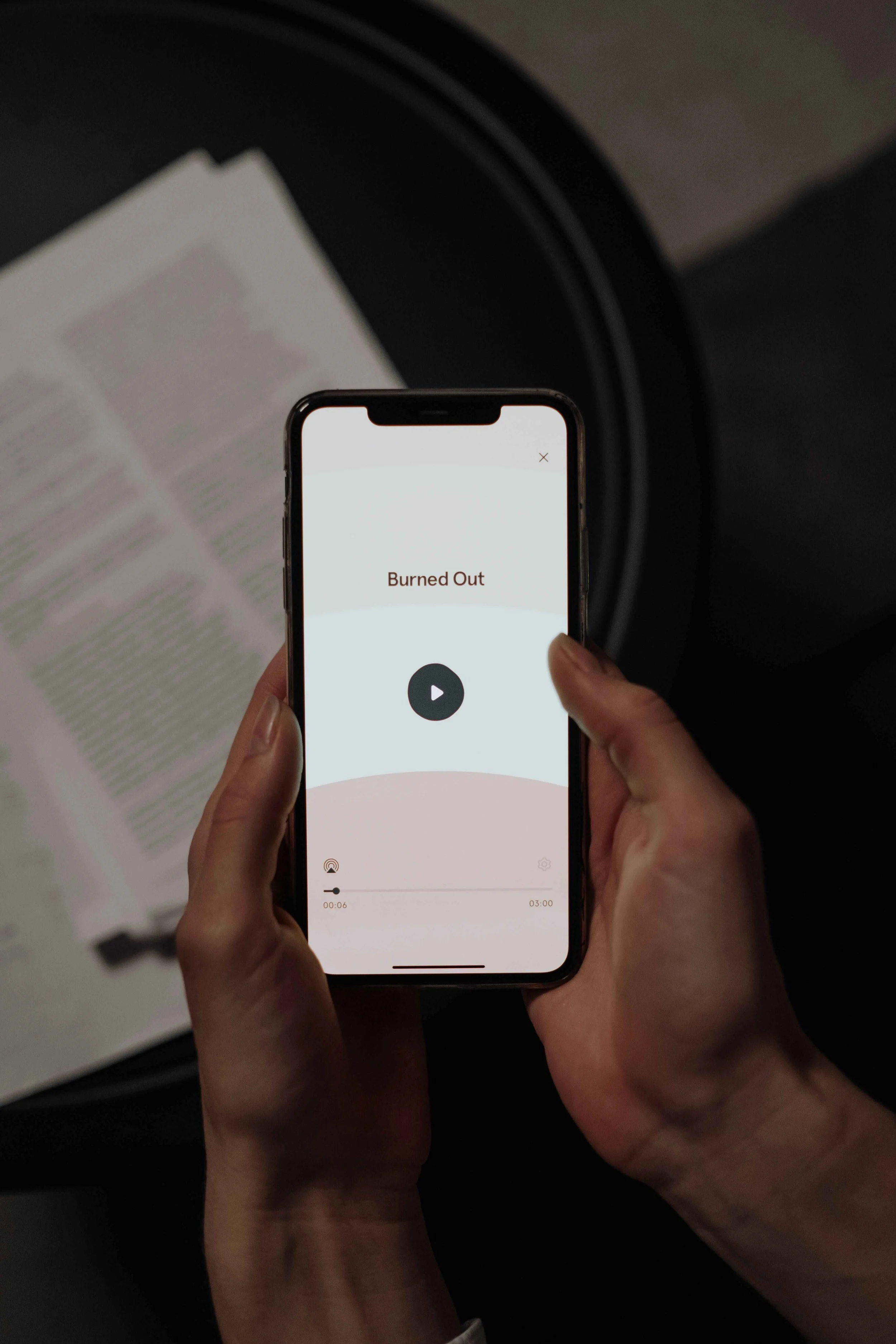
How Does Social Media Contribute to Mental Fatigue?
Social media contributes to mental fatigue in several interconnected ways, primarily through constant stimulation and information overload. Platforms like Instagram, TikTok, and X provide a near-endless stream of posts, videos, and updates which can keep the brain in a continuous state of alertness. Each notification, new post, or trending topic demands attention, triggering short bursts of dopamine, the brain’s “reward” chemical, which can feel satisfying in the moment but ultimately drains mental energy over time. This constant cycle of attention and reward leaves little space for reflection or rest, leading to cumulative cognitive fatigue.
Another significant factor is social comparison and emotional strain. Social media often showcases curated, idealized versions of other people’s lives which can make users feel inadequate, anxious, or stressed. When scrolling for even a few minutes, the brain processes subtle judgments about appearance, achievements, and social status which increases emotional load. Unlike stress from specific, real-life challenges, this type of mental fatigue is ongoing and ambiguous because there is no clear “end” to the comparison. Over time, this can erode self-esteem and leave users feeling emotionally drained or unmotivated. View our blog “How to Stop Comparing Yourself to Other People.”
Multitasking and distraction also play a major role in social media-related fatigue. Many people switch between apps, messages, and notifications while trying to work, study, or engage in offline activities. This frequent context-switching overloads working memory and reduces cognitive efficiency, leaving the brain tired even if the tasks themselves are not physically demanding. Additionally, scrolling while doing other tasks can create a persistent background stress where attention is never fully rested which contributes to chronic mental fatigue.
Finally, social media can disrupt natural mental recovery cycles. Time spent online often replaces periods of rest, reflection, or offline relaxation that the brain needs to recover. Nighttime scrolling, for example, interferes with sleep quality by exposing the eyes to blue light and keeping the mind alert which in turn magnifies fatigue during the day. Even short bursts of online activity can accumulate into a state of “cognitive clutter” where mental clarity and emotional resilience are reduced. Over time, these factors combine to create the pervasive tiredness, irritability, and difficulty focusing that are hallmarks of digital burnout.
Check out our blog “Do I Have A Social Media Addiction?” to learn more.

5 Strategies to Overcome Digital Burnout
Digital burnout has become increasingly common in our hyper-connected world where screens dominate school, work, and social life. Constant notifications, social media scrolling, and the pressure to stay “always available” can leave anyone feeling drained, anxious, and mentally exhausted. While it might feel impossible to step away from devices, there are practical strategies that can help you regain control, restore energy, and protect your mental health. Here are five effective ways to overcome digital burnout.
1. Set Clear Screen Boundaries
One of the most effective ways to reduce digital burnout is to create boundaries around device use. This could include designated “no-screen” times during meals, before bed, or first thing in the morning. Turning off non-essential notifications and limiting the number of apps you check daily can also help. Boundaries give your brain time to rest and reduce the constant mental stimulation that fuels burnout.
To learn more about social media detoxes, read our blog “How to Help Your Teen to Social Media Detox.”
2. Take Regular Digital Breaks
Scheduling short breaks away from screens throughout the day allows your mind to recharge. Even five to ten minutes of stepping outside, stretching, or simply closing your eyes can reduce eye strain, improve focus, and lower stress. Over time, regular breaks can prevent fatigue from accumulating and help you feel more present and energized when you return to digital tasks.
3. Practice Mindful Technology Use
Mindfulness is not just for meditation, it can also be applied to your digital habits. Before opening apps or scrolling social media, pause and ask yourself if the activity is necessary or enjoyable. Being intentional about how and why you use technology can prevent endless, passive consumption and help you regain a sense of control over your online life.
Read our blog “5 Ways to Start Practicing Mindfulness.”
4. Prioritize Offline Activities
Engaging in hobbies, exercise, or face-to-face interactions provides a healthy balance to screen time. Activities like reading, drawing, playing sports, or spending time with friends and family give your brain different types of stimulation that do not cause mental overload. Prioritizing offline experiences strengthens resilience, reduces stress, and helps restore energy that digital interactions often drain.
5. Improve Sleep and Rest Habits
Digital burnout is closely linked to poor sleep as screens expose the eyes to blue light and keep the brain alert when it should be winding down. Creating a bedtime routine that minimizes screen use, such as reading a book or listening to calming music, can improve sleep quality. Better rest not only reduces fatigue but also supports emotional regulation and cognitive functioning, helping you cope with daily digital demands.
Recovering from digital burnout does not happen overnight, but consistent practice of these strategies can make a noticeable difference. By setting boundaries, taking breaks, using technology mindfully, prioritizing offline activities, and protecting sleep, you give your mind and body the chance to recover. With patience and intentional habits, it is possible to enjoy the benefits of digital life without letting it drain your energy or mental well-being.
How Teens and Young Adults Protect Themselves from Digital Burnout
In today’s digital world, teens and young adults are more connected than ever, with social media, messaging apps, and online platforms becoming central to social life, education, and entertainment. While these tools offer incredible opportunities, excessive screen time can lead to digital burnout which is a state of mental, emotional, and physical exhaustion caused by constant online engagement. Recognizing the risk and learning strategies to protect themselves is essential for maintaining mental health, focus, and overall well-being.
The first step is setting intentional boundaries with technology. Teens and young adults can benefit from limiting time on social media apps or turning off notifications for non-essential alerts. Scheduling specific periods for online activity and designated “offline hours” can help the brain recharge and prevent overstimulation. Simple adjustments, like keeping phones out of the bedroom at night or taking a break from screens during meals, create healthy routines and reduce the constant pressure to stay connected. View our blog “How to Create A Daily Routine.”
Another effective strategy is practicing mindful technology use. Instead of scrolling endlessly or switching between apps unconsciously, young people can pause before opening a platform and ask themselves why they are using it. Are they seeking connection, entertainment, or just passing time? Being intentional about digital engagement helps prevent mindless consumption, reduces anxiety, and allows for more meaningful interactions online. Mindful use also includes curating feeds, unfollowing accounts that trigger stress or comparison, and choosing content that inspires or relaxes rather than drains.
Prioritizing offline activities is equally important. Hobbies, sports, creative projects, and face-to-face social interactions provide alternative forms of stimulation that give the brain a break from digital overload. Exercise, for example, not only boosts energy but also improves mood and focus, counteracting some of the mental fatigue caused by excessive screen time. Engaging in hobbies or spending time outdoors creates balance and helps build resilience against the emotional strain that can come from constant online exposure.
Sleep and rest play a critical role in preventing digital burnout. Exposure to blue light from screens before bed can disrupt natural sleep cycles, leading to fatigue, irritability, and difficulty concentrating. Developing a healthy nighttime routine that minimizes screen use; like reading a physical book, listening to calming music, or practicing relaxation exercises; can significantly improve sleep quality. Restful sleep supports emotional regulation and helps maintain mental energy, making it easier to navigate digital demands during the day. Read our blog “Unlocking the Secrets of Quality Sleep: A Therapist’s Perspective on Sleep Hygiene and Insomnia.”
Finally, recognizing the signs of digital burnout early allows teens and young adults to take action before fatigue becomes severe. Symptoms may include irritability, anxiety, difficulty concentrating, eye strain, headaches, and emotional numbness. By tracking how they feel during and after screen time, young people can identify patterns and adjust habits proactively. When digital burnout is acknowledged and managed, it does not have to interfere with academic performance, social relationships, or overall well-being.
In conclusion, protecting against digital burnout requires a combination of self-awareness, intentional habits, and healthy routines. Setting boundaries, practicing mindful use, prioritizing offline activities, improving sleep, and recognizing early signs are all essential strategies for teens and young adults. For those who find it especially difficult to manage digital stress or notice it significantly affecting mood, focus, or daily life, working with a stress counselor at Anchor Therapy can provide guidance, coping strategies, and support tailored to individual needs. By taking these steps and seeking professional help when necessary, it is possible to enjoy the benefits of technology without letting it negatively impact mental health, focus, or overall quality of life. Digital tools are meant to enhance life, not drain it.

Victoria Scala
is the Social Media Manager and Community Engagement Director at Anchor Therapy in Hoboken, New Jersey. She is a graduate of the Honors College of Rutgers University-Newark and is currently studying Clinical Mental Health Counseling at the graduate level.
IF YOU’RE LOOKING FOR HELP FROM A PROFESSIONAL COUNSELOR TO ASSIST YOU IN MAKING POSITIVE CHANGES IN YOUR LIFE, CONTACT US
WORKING WITH US IS EASY
Fill out the contact form below.
Our intake coordinator will get back to you with more information on how we can help and to schedule an appointment. We will set you up with an experienced licensed therapist who specializes in what you're seeking help with and who understands your needs.
You’ll rest easy tonight knowing you made the first step to improve your life.



Maybe you're the one who gets blamed no matter what actually happened, at home, at work, or even with friends. Something goes wrong, and somehow it lands on you. If that sounds familiar, there's a word for what's happening: scapegoat. A scapegoat is a person who's unfairly blamed for problems they didn't cause. Scapegoating shows up most in families, where it's often called being the family scapegoat.