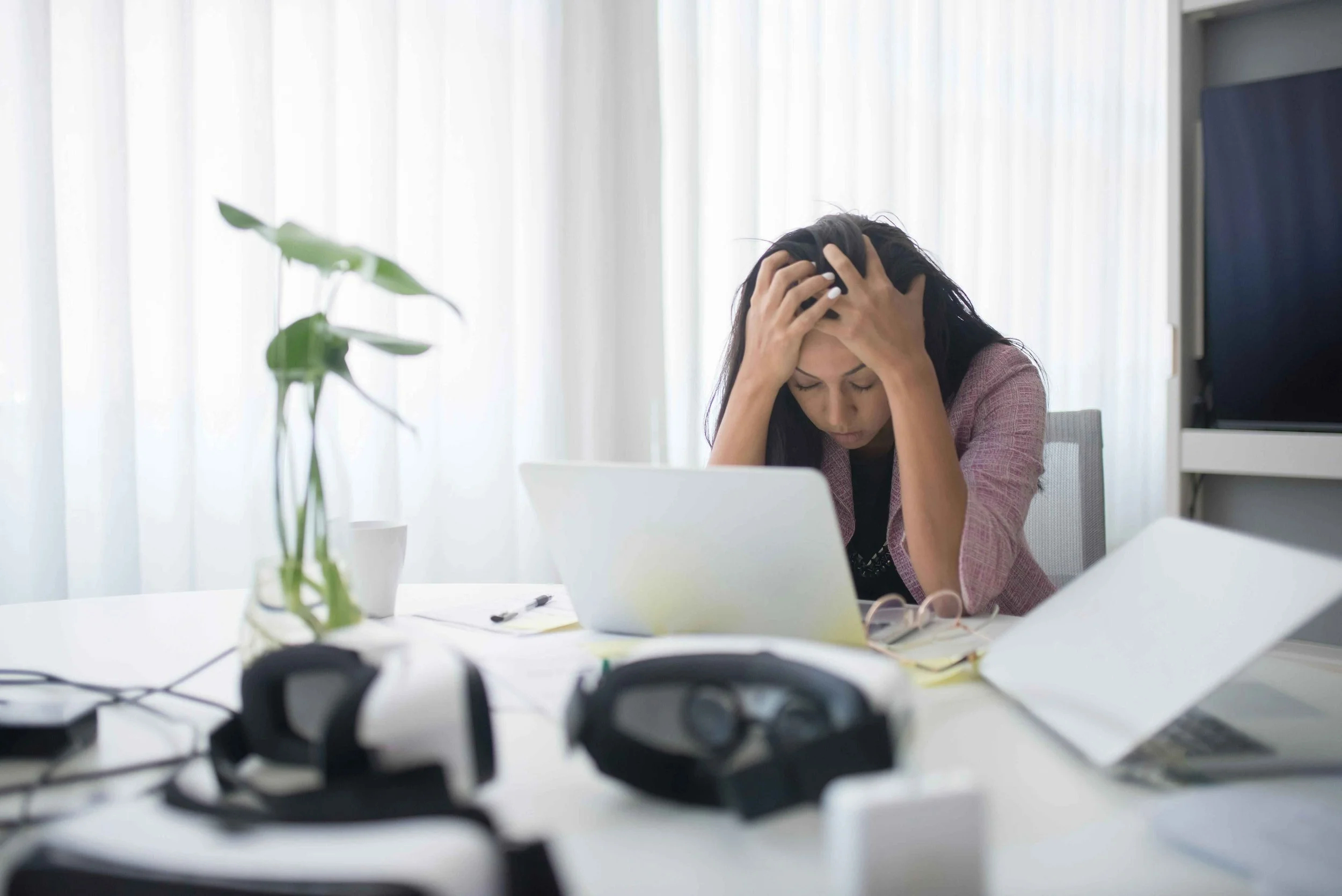

What worsens burnout

5 Ways to Deal with Digital Burnout

5 Ways to Deal with Digital Burnout

In today’s hyper-connected world, digital burnout has become an increasingly common challenge. Constant notifications, endless social media scrolling, and the pressure to stay “always available” can leave both teens and adults feeling mentally exhausted, emotionally drained, and physically fatigued. Unlike traditional stress, digital burnout comes from a combination of screen overuse, information overload, and the subtle anxiety of online interactions, making it harder to recognize until it significantly affects mood, focus, and daily functioning.

The good news is that digital burnout is manageable with conscious strategies and small, consistent changes. By setting boundaries, prioritizing offline activities, and practicing mindful technology use, it is possible to regain control over your time and mental energy. In this blog, we will explore five practical ways to deal with digital burnout, helping you reconnect with yourself, reduce stress, and reclaim balance in an always-online world.

Can Napping Prevent Burnout?

Can Napping Prevent Burnout?

Burnout has become an increasingly common problem in today’s fast-paced, always-on culture. Constant stress, overwhelming workloads, and the pressure to perform can leave both the mind and body exhausted, making it difficult to function at your best. While many people push through fatigue with caffeine or sheer willpower, they often overlook one simple yet powerful tool: napping. Short, intentional naps can offer more than just a quick energy boost- they can help reset the brain, reduce stress hormones, and improve emotional resilience, all of which are key factors in preventing burnout.

But can napping really make a difference when it comes to chronic stress and exhaustion? Research suggests that taking time to rest during the day helps improve mood, increase focus, and lower the risk of mental and physical health problems associated with burnout. In this post, we will explore how strategic napping supports mental health, why it is an essential practice for self-care, and tips on how to incorporate naps into your busy life without disrupting your nighttime sleep.