
teletherapy nyc

Does Sleep Restriction Therapy Actually Work?

Does Sleep Restriction Therapy Actually Work?

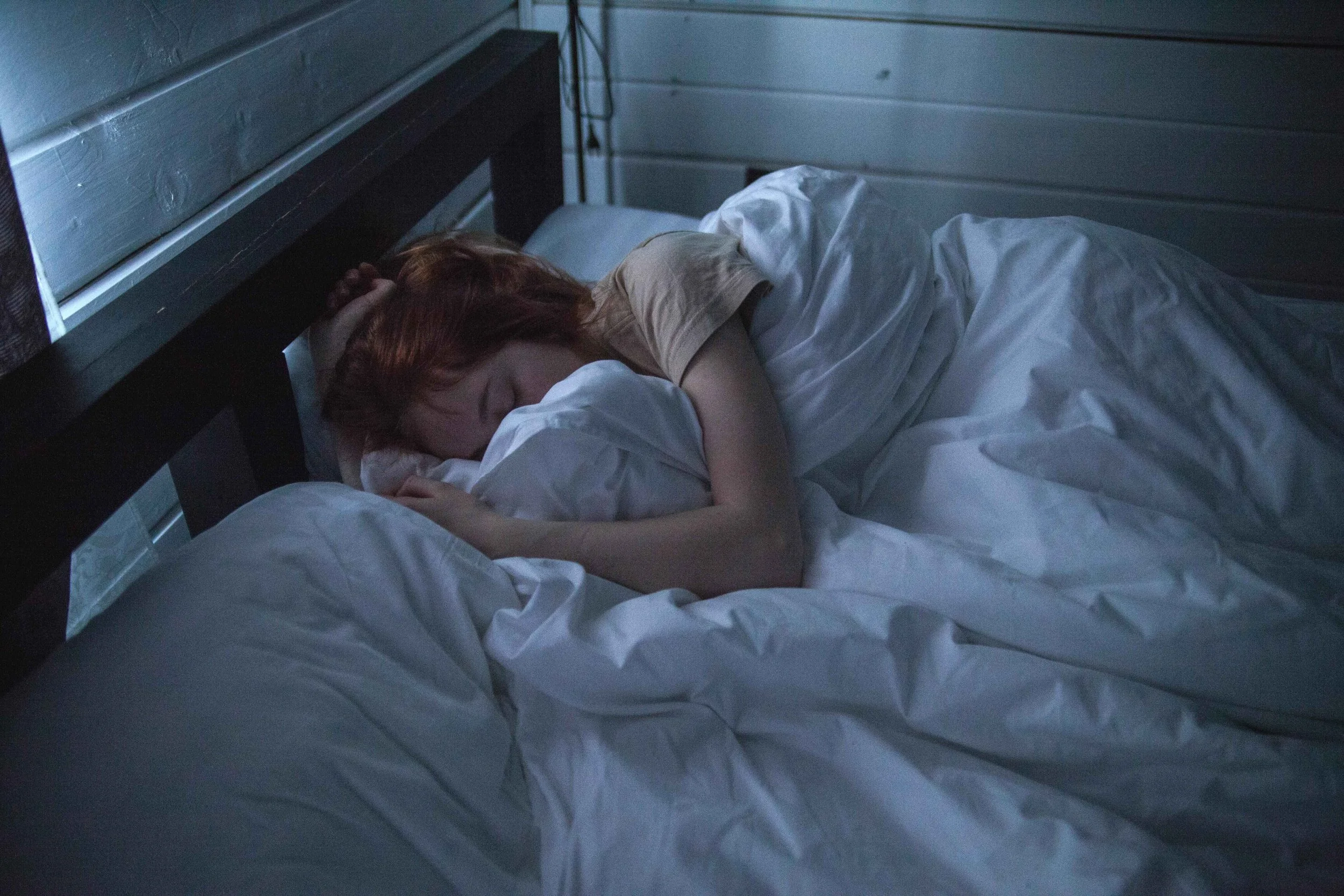
Struggling to fall asleep or stay asleep can be frustrating, especially when tossing and turning night after night starts to affect your mood, focus, and overall health. For many, traditional advice like “just relax” or “avoid screens before bed” is not enough. That is where sleep restriction therapy comes in- a targeted behavioral approach designed to help people retrain their sleep patterns and improve sleep efficiency. Unlike methods that encourage more time in bed, sleep restriction therapy intentionally limits the time you spend in bed to consolidate sleep and strengthen your body’s natural sleep drive.

But does it really work? Research suggests that sleep restriction therapy can be remarkably effective, particularly for people with insomnia. By gradually adjusting your bedtime and wake time, this therapy helps reset your internal clock, reduce nighttime awakenings, and make falling asleep easier. While it can feel challenging at first, because you might be spending less time in bed than you want, the payoff often comes in the form of deeper, more restorative sleep. In this blog, we will explore how sleep restriction therapy works, why it is effective, and what you should know before trying it.

Coping with the Trauma of the July 2025 NYC Mass Shooting

Coping with the Trauma of the July 2025 NYC Mass Shooting

The mass shooting that struck New York City in July 2025 left more than physical devastation- it tore through the emotional core of the city. As news broke and sirens echoed across boroughs, countless lives were instantly changed. For survivors, witnesses, families, and even those watching from afar, the psychological impact has been profound. In the days and weeks since, many are grappling with feelings of fear, helplessness, grief, and a shaken sense of safety in their everyday lives. Read our blog “How Does Grief Affect Your Identity?”. 

Trauma from events like these does not fade just because the headlines do. It lingers in unexpected moments, such as loud noises, crowded spaces, or the quiet isolation of sleepless nights. Whether you were directly affected or emotionally impacted from a distance, this post explores what trauma can look like, why it is normal to feel disoriented or overwhelmed, and how to begin taking small but meaningful steps toward healing. You are not alone and your pain is valid.