

The holidays are often painted as a season of joy, togetherness, and celebration but for those who are grieving, they can feel heavy, disorienting, and painfully quiet all at once. Grief during the holidays does not always look like tears at the table or visible sadness. Sometimes it shows up as numbness, exhaustion, irritability, or a deep sense of not belonging in moments that are supposed to feel warm and familiar. The contrast between personal loss and public celebration can make grief feel sharper, more isolating, and harder to explain. Research shows that, each year, roughly 35-40% of Americans feel too sad or too stressed to celebrate the holidays due to loss, loneliness, and additional factors.
Grief can also be unpredictable during this season. One moment you may feel okay while laughing at a memory or enjoying a small tradition and the next you may feel overwhelmed by a song, a scent, or an empty chair. There is no right way to grieve during the holidays, and no timeline you are expected to follow. Understanding what grief can look like during this time is not about fixing it or making it disappear, but about offering yourself compassion and permission to feel whatever comes, exactly as it is.
Anchor Therapy is a counseling center in Hoboken, NJ with mental health therapists specialized in helping children, teens, adults, couples, and families with anxiety, depression, relationship issues, trauma, life transitions, and more. Anchor Therapy is accepting new clients and is now providing in-person sessions and teletherapy sessions to residents of New Jersey, New York, and Florida.
What is holiday grief?
Holiday grief is the experience of heightened sadness, longing, or emotional pain that often surfaces during the holiday season after a loss. While grief exists year-round, holidays tend to intensify it because they are closely tied to togetherness, tradition, and shared memories. The absence of a loved one can feel especially noticeable during gatherings, rituals, and moments that once included them, making the season feel heavy rather than celebratory.
Why do the holidays trigger grief?
Heightened focus on togetherness
Traditions and routines
Emotional memories
Social pressure
Seasonal stress (Read our blog “Holiday Stress Archetypes: Are You the Over-Planner, Peacekeeper, or Procrasinator?”)
Marking the passage of time
Limited emotional energy
Desire to honor the lost loved one
This type of grief can show up in many forms. Some people feel deep sorrow or tearfulness, while others experience numbness, irritability, anxiety, or exhaustion. Holiday grief may also come in waves- moments of connection or even joy followed by sudden sadness triggered by a song, a tradition, or an empty place at the table. There is no single way holiday grief looks, and its unpredictability can be one of the most challenging aspects.
Signs of holiday grief include:
Sadness or tearfulness (View our blog “Sadness vs Depression: When to Get Help” for more information)
Numbness or emotional detachment
Irritability or mood swings
Fatigue or low energy
Loss of interest in traditions
Difficulty concentrating
Changes in appetite or sleep
Anxiety or dread
Guilt or self-blame
Crying over small triggers
Social and cultural expectations often make holiday grief harder. The season is filled with messages about happiness, gratitude, and celebration which can clash painfully with the reality of loss. Grieving individuals may feel pressure to participate in traditions, attend gatherings, or appear cheerful for the sake of others, even when they do not have the emotional energy to do so. This mismatch between inner experience and outer expectations can lead to guilt, isolation, or a sense of being misunderstood.
Holiday grief also reflects the passage of time without the person who was lost. Each holiday becomes a reminder of what has changed and what cannot be the same again. At the same time, it can bring questions about how to move forward- whether to keep old traditions, create new ones, or step back altogether. Understanding holiday grief helps normalize these feelings and encourages compassion, flexibility, and gentleness with yourself during a season that can be especially hard after loss.

What are the three C’s of holiday grief?
The Three C’s of Holiday Grief are Change, Comparison, and Expectations which help explain why grief can feel especially intense during the holiday season. While grief is never limited to a calendar, the holidays tend to magnify loss because they are filled with tradition, memory, and social pressure. Understanding these three C’s does not take the pain away, but it can offer language for what you are feeling and reassurance that your experience is both common and valid.
Change is often the most immediate and painful C. The holidays highlight what is different now, such as who is missing, which traditions have shifted, and how your role in family or celebrations may have changed. Even small changes, like buying fewer gifts or skipping a familiar gathering, can bring waves of sadness. Grief is deeply tied to routine and connection, so when the season emphasizes togetherness, the absence of a loved one can feel especially loud.
Comparison can quietly deepen holiday grief. You may find yourself comparing this holiday to past ones, when life felt fuller or easier, or comparing your inner world to the apparent joy of others. Seeing happy photos, hearing cheerful stories, or watching others celebrate can make grief feel isolating, as though you are falling behind or doing the season “wrong.” These comparisons often ignore the complexity of both your grief and other people’s lives, but they can still sting. Read our blog “How to Stop Comparing Yourself to Other People.”
Expectations, both internal and external, are the third C. The holidays come with unspoken rules about how we should feel, how much we should participate, and how grateful or joyful we should appear. When you are grieving, these expectations can feel heavy and unfair. You might pressure yourself to show up, smile, or “make the best of it,” even when your heart is not ready. Grief does not follow a festive schedule, and expecting it to can add guilt to an already tender season.
Recognizing the three Cs of holiday grief can help you meet this season with more compassion for yourself. Change, comparison, and expectations are not personal failures, they are natural responses to loss in a time that emphasizes connection and continuity. Giving yourself permission to acknowledge these realities, adjust traditions, and move at your own pace can make the holidays feel a little more manageable, even if they are still hard. Our blog “How to Start Loving Yourself Again” is a must-read.
Why are holidays hard after losing a loved one?
Holidays are often hard after losing a loved one because they are deeply tied to connection, memory, and routine. Many holidays revolve around shared traditions- meals, conversations, rituals, and roles that people naturally fall into year after year. When someone is missing, their absence is felt in very specific ways: an empty chair, a familiar task left undone, a voice that should be there but is not. These moments make the loss feel fresh again, even if time has passed.
Another reason holidays can be especially painful is that they highlight contrast. The world around you may seem louder, brighter, and more celebratory at a time when your inner world feels quiet or heavy. Decorations, music, and social gatherings can intensify grief by creating a gap between how you feel and how you think you are supposed to feel. This contrast can lead to feelings of isolation as though your grief does not fit into the season everyone else appears to be enjoying.
Holidays also carry strong emotional memories. Sights, sounds, smells, and traditions are powerful triggers for remembrance, often bringing back vivid moments from past celebrations with your loved one. These sensory reminders can come unexpectedly, like a song on the radio, a recipe, a familiar joke, and stir emotions you may not be prepared for. While these memories can be meaningful, they can also be overwhelming, reminding you of what has changed and what cannot be recreated.
Social expectations add another layer of difficulty. There is often pressure to participate, be cheerful, and uphold traditions for the sake of others. Grieving individuals may feel obligated to attend gatherings, host events, or maintain routines even when they lack the emotional energy to do so. This pressure can lead to guilt- guilt for canceling plans, for not feeling grateful, or for not meeting others’ expectations- making the holidays feel more like a burden than a comfort.
Finally, holidays can intensify grief because they remind us of time passing without the person we lost. Each holiday becomes a marker of another season experienced without them, another memory made in their absence. This realization can bring waves of sadness, longing, and even fear about future holidays. Understanding why holidays are hard after loss does not remove the pain, but it can help normalize the experience and encourage gentleness with yourself during a season that asks a lot from a grieving heart.
Check out our blog “How Does Grief Affect Your Identity?”.
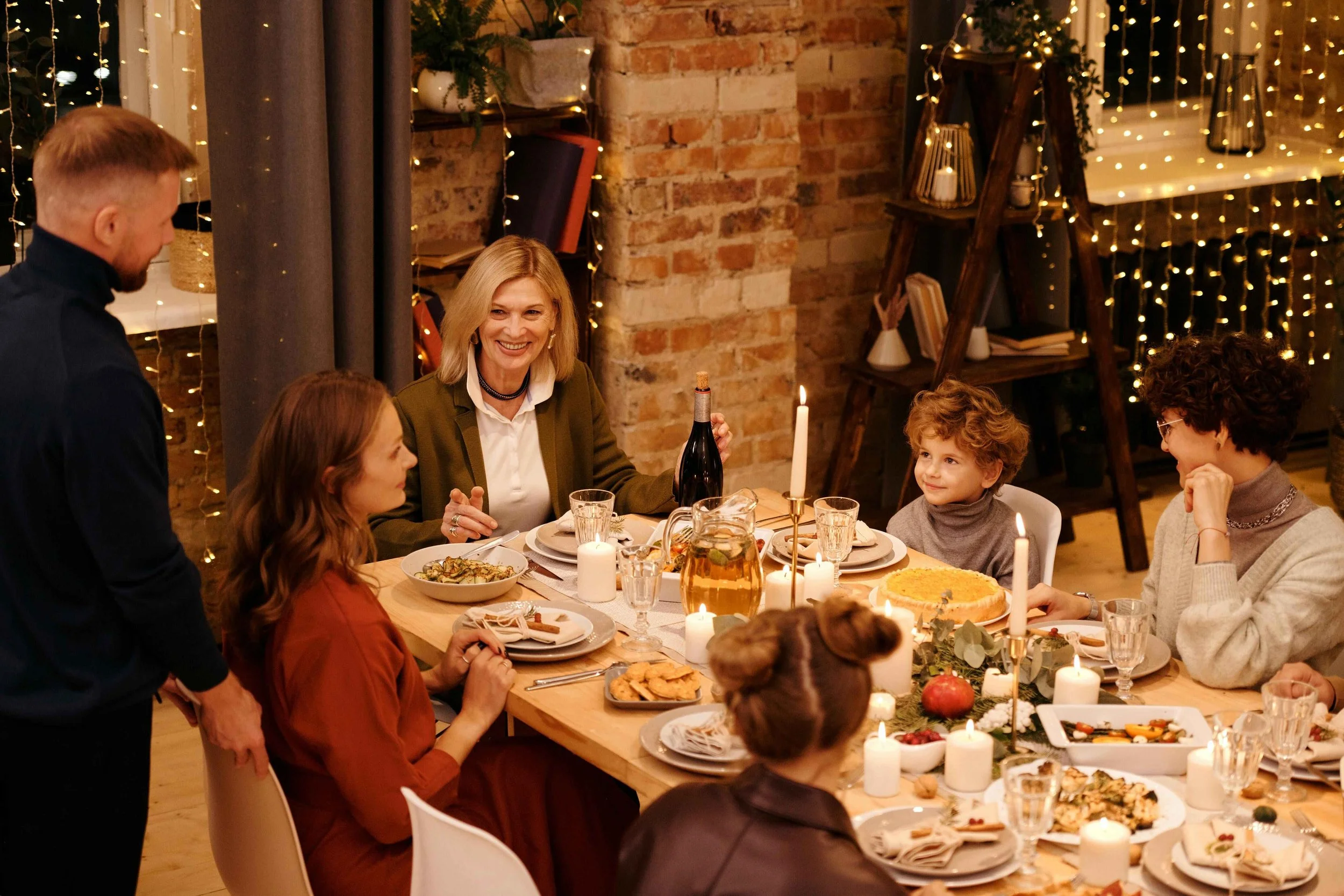
What to say to someone who has lost a loved one during the holidays
Knowing what to say to someone who has lost a loved one during the holidays can feel overwhelming. You may worry about saying the wrong thing or making their pain worse, but silence can often feel more isolating than imperfect words. The most important thing to remember is that your role is not to fix their grief or make the holidays feel better, it is simply to acknowledge their loss and let them know they are not alone during a difficult season.
Simple, honest statements are often the most meaningful. Saying things like “I’m so sorry you are going through this,” or “I know the holidays can be especially hard without them,” shows awareness and compassion. Naming the loss, such as using the loved one’s name if appropriate, can be comforting, as it reassures the grieving person that their loved one has not been forgotten. These words validate their experience without placing pressure on them to respond a certain way.
It can also help to offer presence rather than platitudes. Avoid phrases meant to comfort that unintentionally dismiss pain, such as “They would not want you to be sad” or “At least you still have…” Instead, try saying, “I don’t know what to say, but I care about you,” or “I’m here to listen if you want to talk.” Giving permission for sadness, silence, or mixed emotions creates a safe space for grief to exist, even during a season focused on joy.
Finally, consider pairing your words with gentle, specific support. Saying “I am thinking of you” can mean even more when followed by “Would it help if I dropped off a meal?” or “I can sit with you for a bit if you would like.” During the holidays, grief can feel magnified and exhausting, and small acts of kindness along with compassionate words can remind someone that they are supported, remembered, and cared for during one of the hardest times of the year.
For more information, view our blog “How to Support Someone Who Is Grieving.”
How to enjoy the holidays after losing a loved one
Enjoying the holidays after losing a loved one does not mean the grief is gone, it means learning how to hold space for both remembrance and moments of light. The first step is releasing the pressure to make the holidays feel the way they used to. Allow yourself to redefine what “enjoyment” looks like this year. It might be quieter, simpler, or more reflective than before, and that’s okay. Grief changes us, and the holidays often need to change with us.
One way to find gentle enjoyment is by being intentional with traditions. Some people find comfort in keeping familiar rituals, while others need to adjust or skip them altogether. You might choose to honor your loved one with a small act of remembrance; such as lighting a candle, sharing a story, or making a favorite dish; while also giving yourself permission to step away from anything that feels too painful. Creating new traditions can help mark this season as different, but still meaningful.
Support is also essential during this time. Talking with trusted friends or family members about what you are feeling can ease the sense of isolation that often comes with holiday grief. Meeting with a grief therapist at Anchor Therapy can be especially helpful, offering a safe space to process emotions, navigate triggers, and develop coping strategies tailored to the season. A grief counselor can help you balance honoring your loss while still finding ways to engage with the holidays at your own pace.
Benefits of working with a holiday grief therapist:
Safe space to express emotions
Processing triggers
Personalized coping strategies
Support with difficult conversations
Balancing remembrance and celebration
Reducing isolation
Creating new rituals
Managing social expectations
Emotional validation
Long-term coping skills
Read our blog “What to Expect in Grief Counseling.”
Finally, focus on small, grounding moments rather than forcing big celebrations. Enjoyment may come through quiet things, like walking outdoors, listening to calming music, volunteering, or spending time with one supportive person. These moments do not erase grief, but they can coexist with it. Over time, allowing yourself compassion, support, and flexibility can help the holidays feel less overwhelming and more gently bearable, even as you continue to carry the love and memory of the person you lost.
Navigating grief during the holiday season is never easy, and it is important to remember that there is no “right” way to feel or celebrate. For many, the holidays bring a mixture of emotions- sadness, nostalgia, guilt, and even fleeting moments of joy- all of which are normal and valid. Loss changes the way we experience time, traditions, and social expectations, making this season particularly complex. Recognizing the reality of holiday grief and giving yourself permission to feel it without judgment is a crucial step toward self-compassion.

Victoria Scala
is the Social Media Manager and Community Engagement Director at Anchor Therapy in Hoboken, New Jersey. She is a graduate of the Honors College of Rutgers University-Newark and is currently studying Clinical Mental Health Counseling at the graduate level.
IF YOU’RE LOOKING FOR HELP FROM A PROFESSIONAL COUNSELOR TO ASSIST YOU IN MAKING POSITIVE CHANGES IN YOUR LIFE, CONTACT US
WORKING WITH US IS EASY
Fill out the contact form below.
Our intake coordinator will get back to you with more information on how we can help and to schedule an appointment. We will set you up with an experienced licensed therapist who specializes in what you're seeking help with and who understands your needs.
You’ll rest easy tonight knowing you made the first step to improve your life.



Maybe you're the one who gets blamed no matter what actually happened, at home, at work, or even with friends. Something goes wrong, and somehow it lands on you. If that sounds familiar, there's a word for what's happening: scapegoat. A scapegoat is a person who's unfairly blamed for problems they didn't cause. Scapegoating shows up most in families, where it's often called being the family scapegoat.