


Can social media make you feel lonely or more connected

Spot the Signs of Gaming Addiction

Spot the Signs of Gaming Addiction

Gaming has evolved from a casual pastime into a full-fledged cultural phenomenon, offering immersive worlds, social connections, and endless challenges. While most players enjoy gaming responsibly, for some, what starts as a hobby can spiral into a compulsive habit. Recognizing the warning signs early is crucial, not only for the individual but also for their loved ones, because gaming addiction can subtly impact mental health, relationships, and daily responsibilities without being immediately obvious.

Understanding the behavioral patterns behind excessive gaming is the first step toward prevention and intervention. From neglecting work or school commitments to feeling irritable when not playing, these signs can manifest in ways that blend seamlessly into everyday life. By learning to spot these patterns, families, friends, and even gamers themselves can take proactive steps to regain balance, ensuring that gaming remains a fun and healthy part of life rather than a disruptive force.

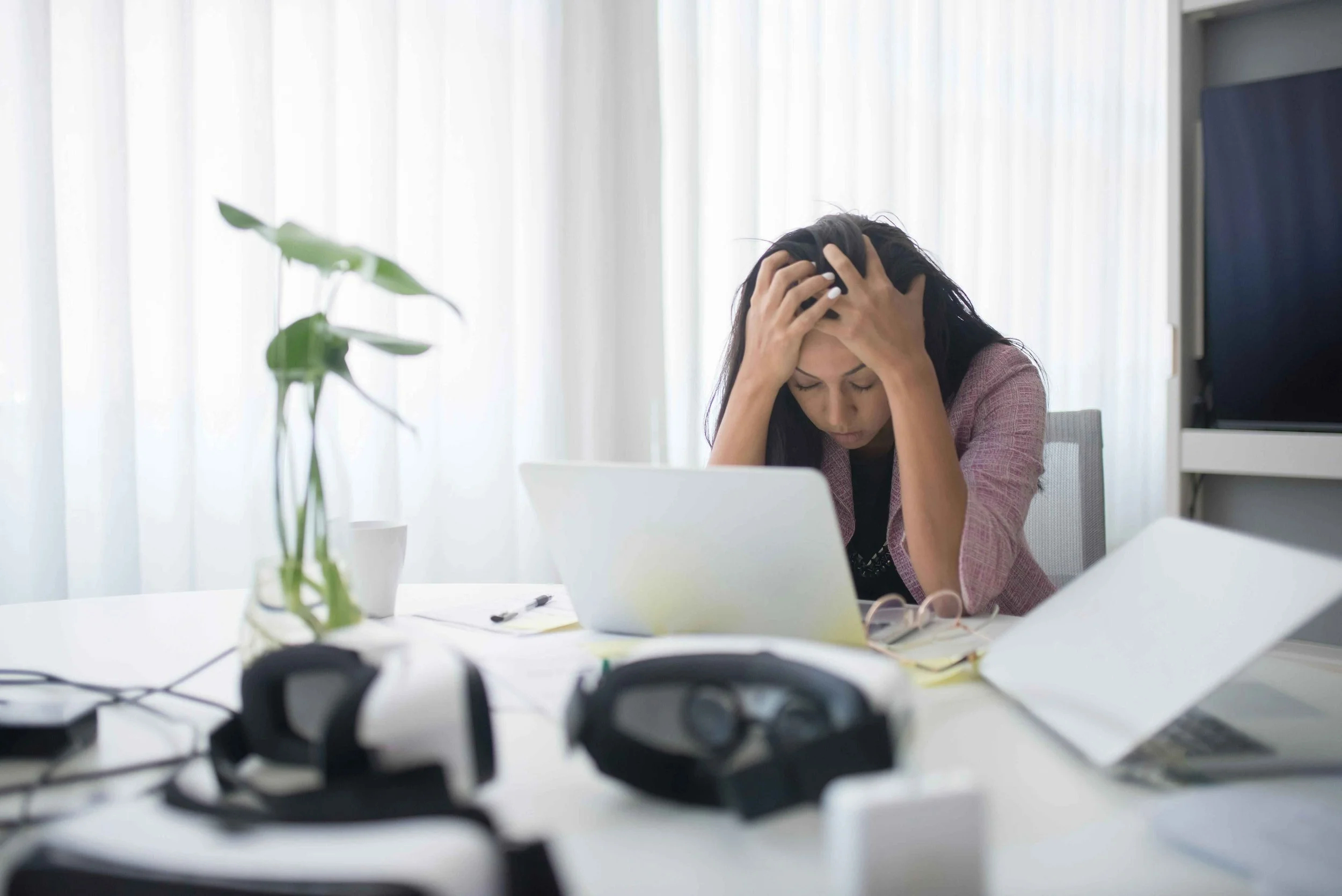
5 Ways to Deal with Digital Burnout

5 Ways to Deal with Digital Burnout

In today’s hyper-connected world, digital burnout has become an increasingly common challenge. Constant notifications, endless social media scrolling, and the pressure to stay “always available” can leave both teens and adults feeling mentally exhausted, emotionally drained, and physically fatigued. Unlike traditional stress, digital burnout comes from a combination of screen overuse, information overload, and the subtle anxiety of online interactions, making it harder to recognize until it significantly affects mood, focus, and daily functioning.

The good news is that digital burnout is manageable with conscious strategies and small, consistent changes. By setting boundaries, prioritizing offline activities, and practicing mindful technology use, it is possible to regain control over your time and mental energy. In this blog, we will explore five practical ways to deal with digital burnout, helping you reconnect with yourself, reduce stress, and reclaim balance in an always-online world.

Is Doomscrolling Really That Bad?

Is Doomscrolling Really That Bad?

Doomscrolling, the act of endlessly scrolling through negative or distressing news on social media, has become an all-too-familiar habit in today’s digital age. While it may seem like a harmless way to pass the time, research suggests that this constant exposure to unsettling information can have a real toll on our mental health. The more we consume, the more likely we are to feel anxious, overwhelmed, or even helpless as the barrage of bad news seems relentless and often out of our control. 

Despite its reputation, doomscrolling does not have to be an inherently damaging activity. It all depends on how we engage with the information and how much we let it affect us. With the right mindset and conscious boundaries, we can learn to navigate the digital world without letting it drag us into a spiral of stress and anxiety. Understanding why doomscrolling happens and how to break the cycle can offer a path toward a healthier relationship with the constant flow of news.

How Does Social Media Affect Depression?

How Does Social Media Affect Depression?

In today’s hyperconnected world, social media platforms like Instagram, TikTok, and Facebook have become integral parts of our daily routines. They offer a constant stream of content, instant communication, and the ability to stay in touch with friends, trends, and news from around the world. However, as our screen time increases, so do concerns about its impact on mental health, particularly depression. More people, especially teens and young adults, report feelings of sadness, loneliness, and anxiety after prolonged exposure to curated online lives and unrealistic standards of success or beauty.

While social media can foster a sense of community, validation, and self-expression, it can also fuel harmful cycles of comparison, cyberbullying, and information overload. The contrast between someone’s highlight reel and one’s real life can leave users feeling inadequate or isolated. Researchers and mental health professionals are actively studying the relationship between social media use and depressive symptoms, raising important questions about how these platforms might influence our emotional well-being in both positive and negative ways.
