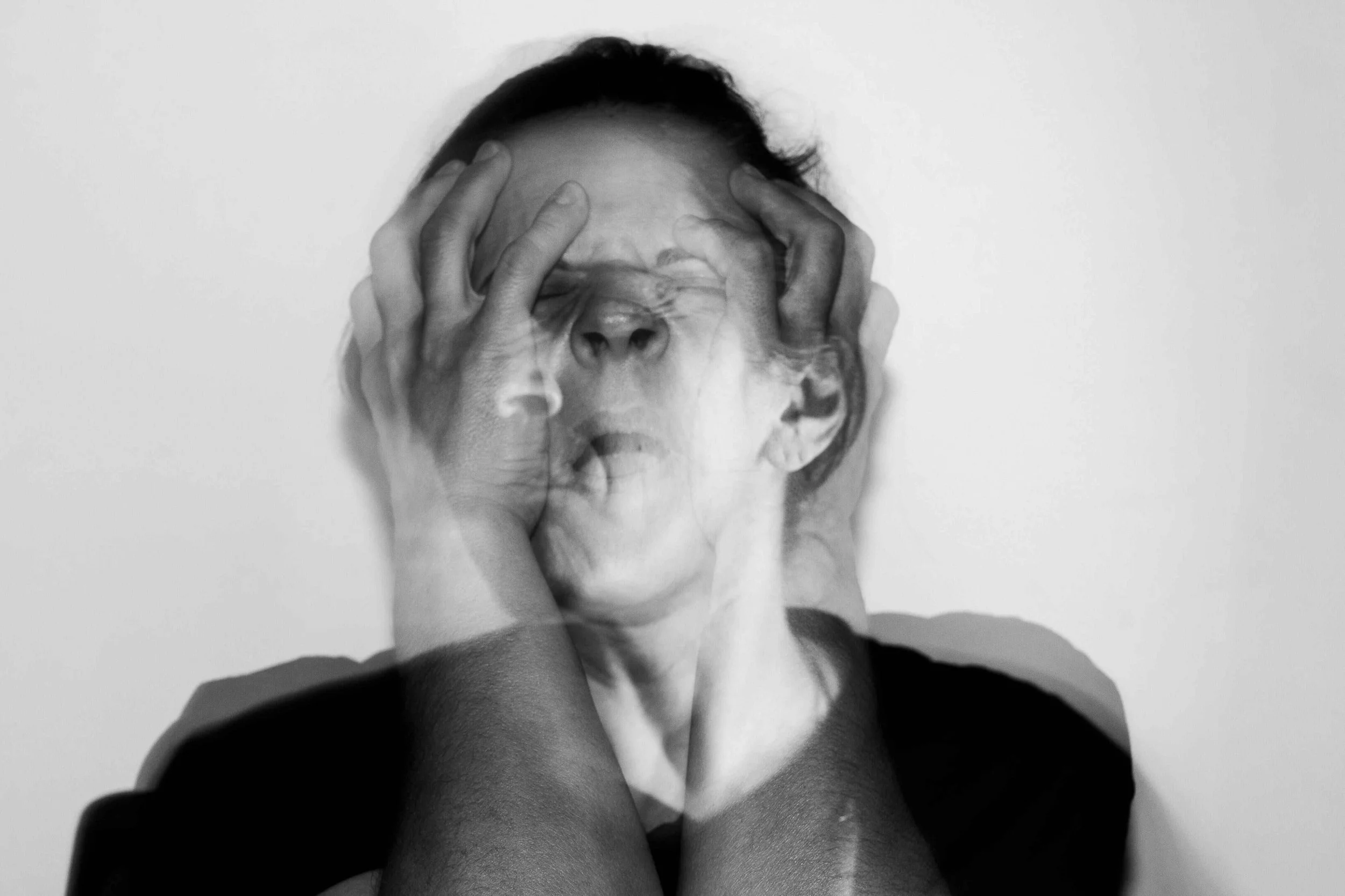



Maybe you spent your childhood reading a parent's mood before you walked in the door, adjusting your voice, your plans, even your personality to keep things calm. Maybe you're an adult now with your own apartment and your own job, and you still flinch a little every time your phone lights up with their name. Growing up with a narcissistic parent means being raised by someone whose need for admiration, control, or validation consistently came before your own emotional needs, and the effects of that don't stay in childhood.
This post walks through ten of the most common, well-documented ways growing up with a narcissistic parent can shape you as an adult, from how you talk to yourself to how you learn to trust the people you love. Some of these might sound exactly like you. Others might describe a sibling who had a noticeably different role in the family than you did. Either way, recognizing the pattern is usually the first real step toward changing it.