traumatic memory

Holiday Stress Archetypes: Are You the Over-Planner, Peacekeeper, or Procrasinator?

Holiday Stress Archetypes: Are You the Over-Planner, Peacekeeper, or Procrasinator?

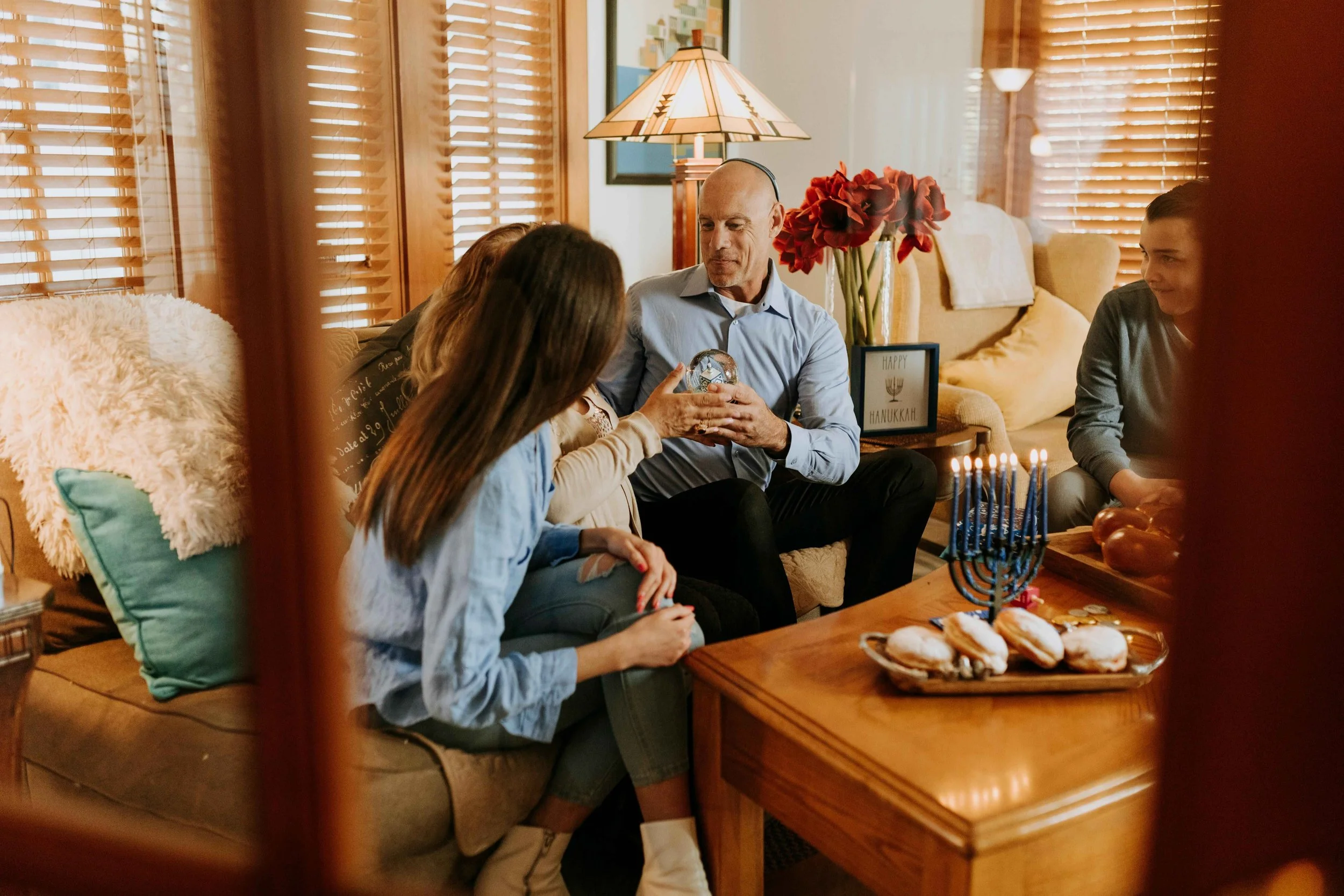
The holidays may be a time filled with nostalgia and celebration, but beneath the glitter lies a familiar tension many of us try to hide. From last-minute shopping to emotional family dynamics, stress shows up in wildly different ways and most of us fall into predictable patterns without even realizing it. That is where the idea of holiday stress archetypes comes in. These personality-driven patterns shape how we plan, react, and cope during the busiest season of the year, and understanding them can help you navigate the holidays with far more clarity and calm.

This year, instead of pushing through on autopilot, take a closer look at your holiday habits. Are you the over-planner who finds comfort in perfectly color-coded lists? The peacekeeper who smooths over every conflict and ends up emotionally drained? Or the procrastinator who waits until deadline pressure kicks motivation into high gear? Identifying your archetype is not about labeling yourself. Instead, it is about uncovering what you need to stay balanced, joyful, and grounded during a season that often demands more than it gives. Let us explore how recognizing your patterns can transform the way you experience the holidays!

Living with Emotional Numbness After Trauma

Living with Emotional Numbness After Trauma

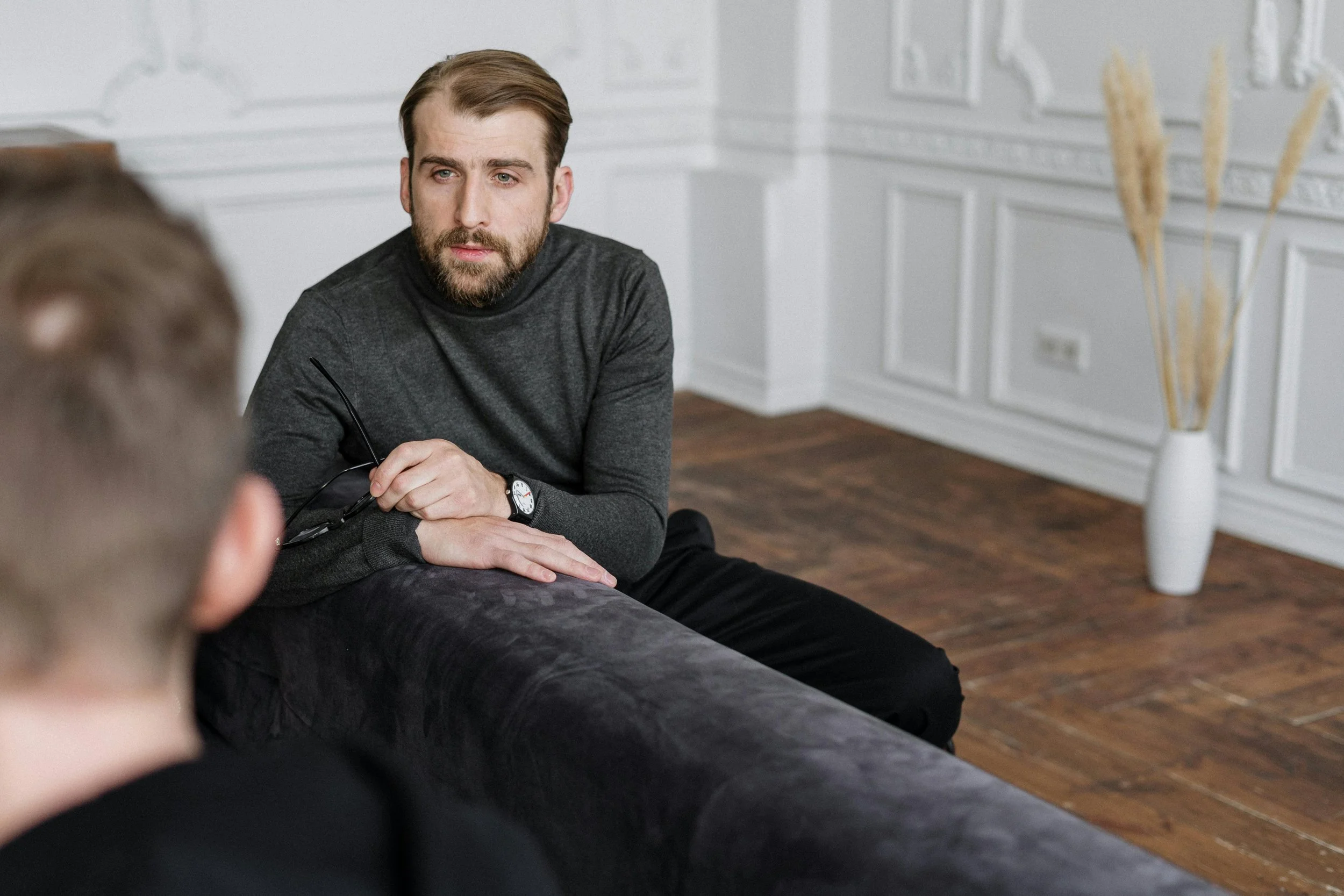
For many survivors of trauma, the world does not just simply feel different, it actually feels muted. Emotions that once came easily may now seem distant or entirely absent, leaving a sense of disconnection from oneself and others. This emotional numbness is a common but often misunderstood symptom of Post-Traumatic Stress Disorder (PTSD), a protective response of the brain designed to shield us from overwhelming pain. While it may feel like a relief in the short term, over time, the inability to feel joy, sadness, or even anger can create its own form of suffering, affecting relationships, daily life, and self-perception.

Living with emotional numbness can be confusing and isolating. You might find yourself watching life pass by from behind a fog, unsure if what you are experiencing is “normal” or permanent. Yet, it is important to know that emotional numbness is not a personal failing. Instead, it is a signal from your nervous system that it needs safety, time, and gentle care. Understanding why this numbness occurs and learning strategies to reconnect with your emotions are critical steps toward reclaiming a sense of vitality and engagement in your life.

What Is Claustrophobia Caused By?

What Is Claustrophobia Caused By?

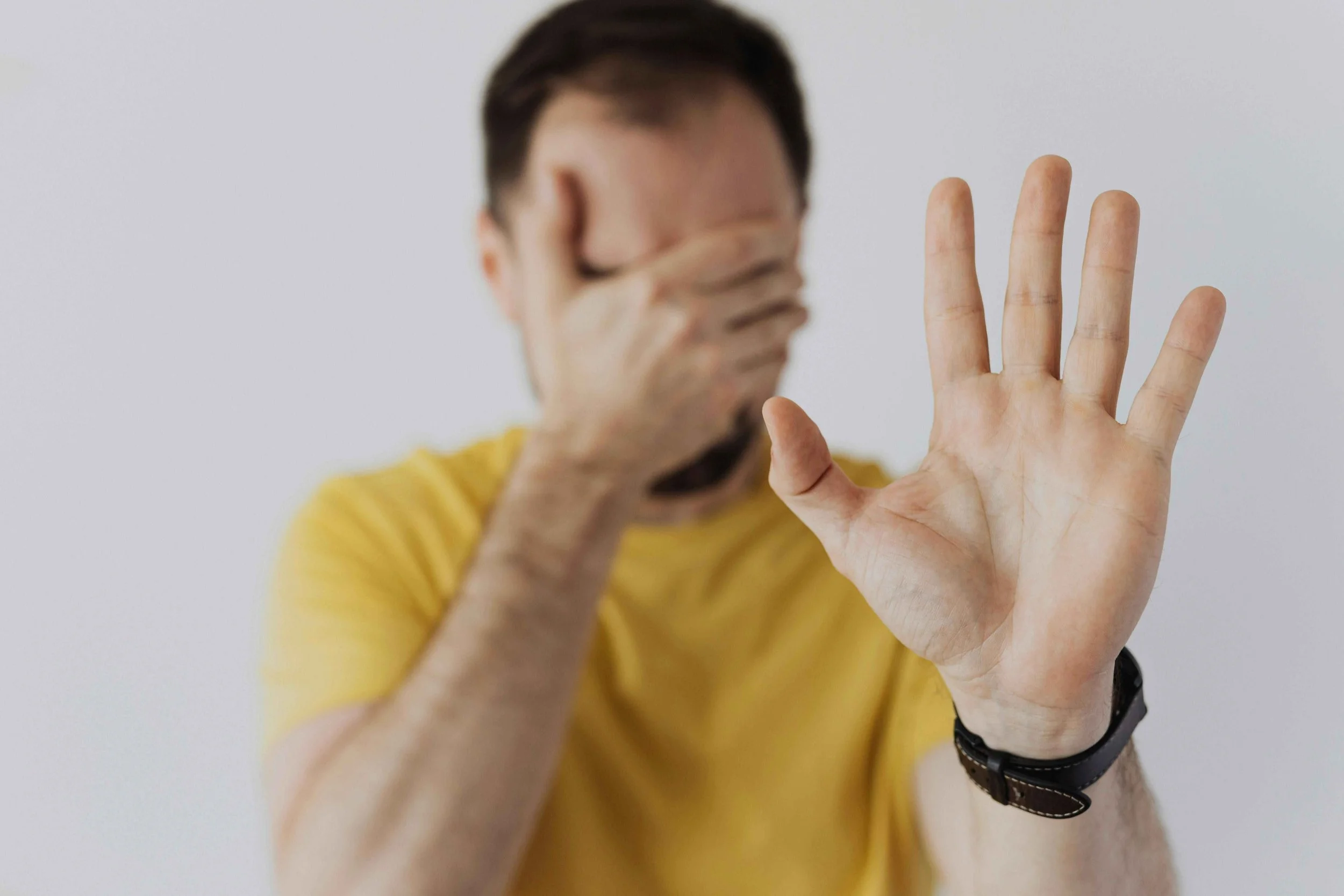
Claustrophobia, the intense fear of confined or enclosed spaces, affects millions of people worldwide and can trigger panic attacks, anxiety, and even physical symptoms like sweating or rapid heartbeat. Check out our blog “3 Ways to Manage Your Physical Anxiety Symptoms.” But what actually causes this fear to take hold? While every individual’s experience is unique, experts believe claustrophobia often stems from a combination of genetic, psychological, and environmental factors. Some people may be more biologically prone to anxiety disorders, while others might develop the fear after a traumatic event, such as being trapped in a small space or experiencing a frightening situation in childhood.

According to the National Institute of Mental Health, one in eight adults may have this phobia or roughly 12.5% of the adult population in the United States. In many cases, claustrophobia develops early in life and becomes more pronounced over time. The brain's fear response can become overly sensitive, reacting strongly even in mildly enclosed spaces like elevators or crowded rooms. Learned behavior may also play a role- if a person witnesses someone else showing fear in a confined space, they may internalize that response themselves. Ultimately, understanding the root causes of claustrophobia is the first step toward managing it, whether through working with a phobia counselor at Anchor Therapy, exposure techniques, or self-guided strategies to reduce anxiety.