
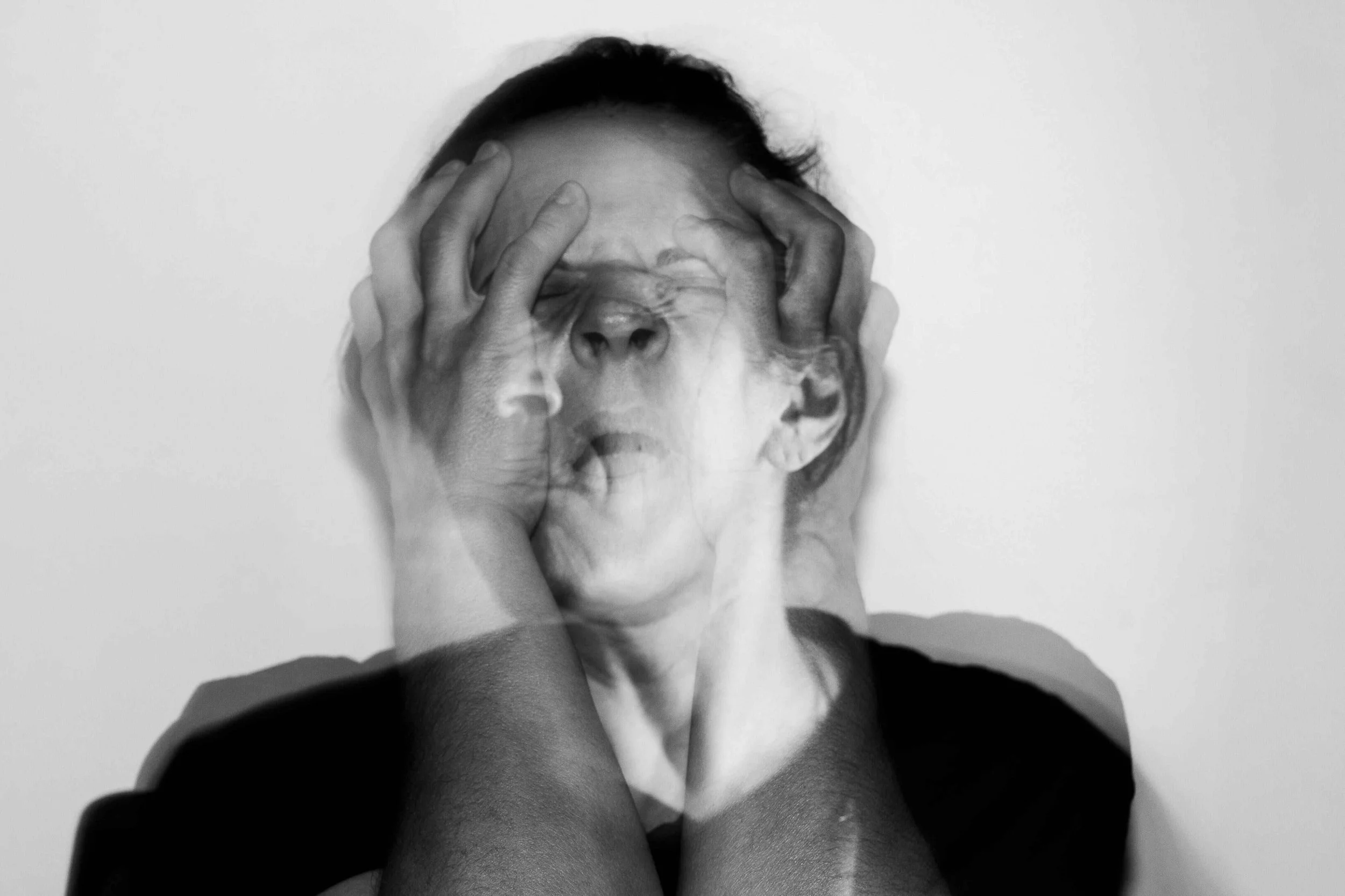
You used to be the person who said yes to last-minute plans, who cried at dumb commercials, who trusted people until they gave you a reason not to. And then something happened. Now you flinch at small sounds, cancel things you were looking forward to, and feel flat when you think you should feel happy. The people who knew you “before” keep asking if you're okay, and you don't know how to explain that you're not sure who you are anymore.
You searched for something about PTSD and personality changes, and you landed here. This post walks through what actually changes in the brain and nervous system after trauma, why it can feel like you've become a different person, and what tends to help the clients we work with at Anchor Therapy rebuild a sense of who they are without erasing what they've been through.
What makes PTSD-related personality changes especially complex is that they are not about becoming a different person entirely, they are often about adaptation. The brain and body adjust to survive overwhelming experiences, sometimes by becoming more guarded, hyper-alert, or emotionally numb. While these responses can be protective in unsafe environments, they may feel out of place in everyday life, creating a sense of internal mismatch. Understanding this shift as a survival-based response, rather than a flaw in character, can be an important first step in making sense of how trauma continues to echo through identity. Research from the U.S. Department of Veterans Affairs estimates that about 5% of U.S. adults have PTSD at any given time, which means a lot of the people around you are quietly navigating the same shift.
Anchor Therapy is a counseling center in Hoboken, NJ with mental health therapists specialized in helping children, teens, adults, couples, and families with anxiety, depression, relationship issues, trauma, life transitions, and more. Anchor Therapy is accepting new clients and is now providing in-person sessions and teletherapy sessions to residents of New Jersey, New York, and Florida.
How can PTSD influence personality and behavior over time?
PTSD can shape your personality and behavior over time because it changes how your brain reads safety, threat, and control. Your nervous system stays on alert even when you are objectively safe, and that alertness turns into patterns. Over time, behaviors like being cautious, guarded, or easily startled stop feeling situational and start feeling like who you are.
One of the most common ways PTSD affects behavior is through avoidance. You might start steering clear of places, people, conversations, or activities that remind you of the trauma. While avoidance can temporarily reduce distress, it can also limit experiences and relationships, slowly narrowing your world. This can make you appear more withdrawn, less social, or less open than you were before, even though the behavior is rooted in protection rather than preference.
PTSD can also affect emotional regulation which influences how reactions are expressed in daily interactions. You may experience heightened irritability, anger, or anxiety while others may feel emotionally numb or detached. These shifts can alter communication styles and relationship dynamics, sometimes leading to misunderstandings with friends, family, or coworkers. What may look like impatience, indifference, or distance is often the result of an overwhelmed nervous system struggling to process stress in real time.
What kinds of “personality changes” are commonly reported after trauma?
The personality changes most commonly reported after trauma include becoming more withdrawn, less trusting, more irritable, emotionally numb, or hypervigilant. You might also notice that you avoid things you used to enjoy, feel more anxious in everyday situations, or doubt yourself more than you used to. These shifts are your nervous system trying to keep you safe.
Increased withdrawal or social isolation: Preferring solitude, avoiding gatherings, or feeling drained by interaction
Reduced trust in others: Becoming more cautious, suspicious, or slow to open up emotionally
Heightened irritability or anger: Stronger reactions to stress, frustration, or perceived disrespect
Emotional numbing or flatness: Feeling less joy, sadness, or emotional intensity than before
Hypervigilance: Constantly scanning for danger, tension, or “what could go wrong”
Avoidance behaviors: Steering away from reminders of trauma, even indirectly related situations
Increased anxiety or fearfulness: Being more easily startled or overwhelmed by everyday stressors
Loss of spontaneity: Preferring control, predictability, or rigid routines over flexibility. Read our blog “Why Do I Have Control Issues?” to learn more
Difficulty feeling safe or relaxed: Even in familiar environments
Changes in confidence or self-esteem: Becoming more self-doubting or self-critical. For support, our blog “Cognitive Behavioral Therapy (CBT) for Negative Self-Talk” is a must-read
Overthinking and rumination: Replaying events, conversations, or possible threats repeatedly. View our blog “How to Break the Cycle of Obsessive Thoughts”
Emotional detachment in relationships: Feeling distant even when physically present
Increased need for control: Trying to manage environments, people, or routines tightly
Sensitivity to conflict or criticism: Reacting strongly to perceived rejection or judgment
Over time, these patterns can influence how you see yourself, not just how you behave. If you consistently reacts with fear, withdrawal, or emotional shutdown, you may begin to internalize these responses as part of your identity. This is where PTSD can feel like a personality change, even though it is more accurately a set of adaptive survival responses. With support and recovery, many of these patterns can shift, but they often require time and consistent effort to untangle from the original trauma response.

Why do some people feel like they are “not the same person” after trauma?
You can feel like you're “not the same person” after trauma because the experience rewires how your brain and body read safety, danger, and everyday life. When your nervous system shifts into survival mode, responses like hypervigilance or emotional shutdown can stick around long after the threat is gone. Those patterns start to feel like personality, even when they're really adaptations.
At Anchor Therapy, we see this come up constantly with clients who are working through PTSD. In our clinical experience, the hardest part of recovery for a lot of people isn't the flashbacks or the anxiety, it's the quieter grief of not recognizing yourself anymore. That piece tends to get talked about the least, and it deserves more room.
Another reason for this sense of identity shift is that trauma can disrupt emotional continuity. Before the traumatic experience, you may have had a stable sense of how you respond to stress, relationships, or challenges. After trauma, emotional responses can become less predictable.
Maybe you were someone who was once calm under pressure, and now you might become anxious or reactive. Maybe you were someone who was outgoing, and now you may begin to feel withdrawn or disconnected. These changes can create a feeling of unfamiliarity with your own reactions, as if they belong to someone else.
Trauma can also affect memory and self-perception which plays a major role in identity. Many people with PTSD experience fragmented or intrusive memories, as well as difficulty integrating the traumatic event into their life story. Instead of being a past experience that feels “over,” the trauma may feel ongoing or ever-present. This can interrupt your sense of a continuous self, making it harder to connect who you are now with who you used to be. Read our blog “The 5 Steps of Narrative Therapy for Trauma.”
In addition, coping mechanisms developed after trauma can reinforce the feeling of being a different person. Behaviors like emotional numbing, avoidance, or constant vigilance are often adaptive in the short term, but they can significantly change how you engage with the world. Over time, these adaptations may become so consistent that they feel like personality traits rather than temporary responses. This can deepen the sense that the original self has been replaced or lost.
Finally, grief plays a quiet but important role in this experience. Many people are not only processing what happened to them, but also mourning the version of themselves that existed before the trauma. This includes your sense of ease, trust, spontaneity, or emotional openness. The feeling of “not being the same person” is often a reflection of both psychological adaptation and loss, as the mind and body adjust to life after an experience that fundamentally changed how safety is understood. View our blog "Grieving A Life That Never Was.”
What changes in identity are most noticeable after PTSD?
The identity changes you'll notice most after PTSD tend to be feeling like a different version of yourself, struggling to trust your own judgment, becoming more guarded or cautious, and sensing that your “past self” doesn't quite fit anymore. You may also feel your identity has become organized around surviving rather than growing or enjoying things.
Feeling like a “different version” of oneself: A sense of disconnection from the pre-trauma identity
Loss of trust in self or others: Doubting judgment, instincts, or intentions of people around them
Shift from openness to guardedness: Becoming more protective, cautious, or emotionally reserved
Reduced sense of safety in the world: Perceiving environments as unpredictable or potentially threatening
Changes in emotional range: Feeling emotionally numb, muted, or less expressive than before
Altered self-confidence: Increased self-doubt or feeling less capable than previously
Stronger need for control: Identity becoming tied to managing uncertainty or preventing harm
Disconnection from “past self” memories: Feeling that earlier personality traits no longer fit or feel accessible
Increased self-monitoring: Constantly assessing reactions, behavior, or surroundings for risk
Loss of spontaneity or playfulness: Feeling more serious, cautious, or restrained
Identity centered around survival mode: Seeing oneself primarily as someone who “endures” rather than “thrives”
Difficulty recognizing personal growth or strengths: Focusing more on changes or losses than resilience
Shift in relationship identity: Feeling different roles in relationships (e.g., less open, more distant, more dependent)
Fragmented sense of self over time: Feeling like different “versions” of oneself exist across situations or triggers
Check out our blog “5 Healthy Ways to Cope with PTSD.”
How does PTSD affect self-esteem and self-concept in Hoboken, nj?
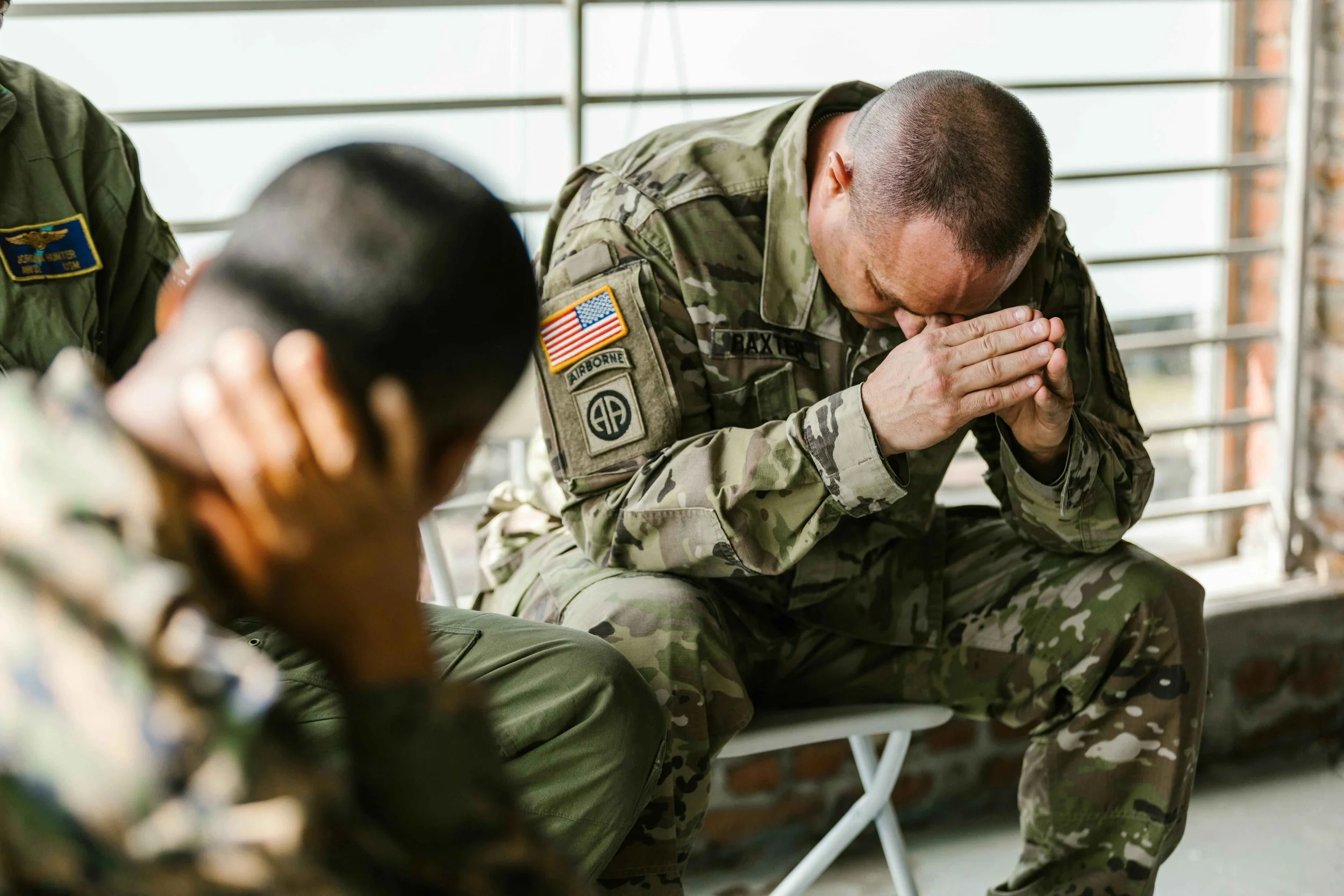
PTSD can shake your self-esteem and self-concept because it changes how you interpret your own thoughts, emotions, and reactions. After trauma, you might start reading fear, anger, or emotional numbing as personal flaws rather than survival responses. Over time, that interpretation quietly reshapes how you see yourself, especially here in Hoboken where “keep it together” is a kind of default setting.
One of the most common effects is a decrease in self-esteem driven by increased self-criticism. People with PTSD may judge themselves harshly for how they cope, even when those coping responses are automatic and outside conscious control.
For example, avoiding certain situations or struggling with emotional regulation might be seen as weakness or failure. Over time, this internal criticism can erode confidence and reinforce feelings of inadequacy. Read our blog “How to Regulate Your Emotions.”
PTSD can also disrupt self-concept by changing how you define your identity. Before trauma, for instance, you might see yourself as outgoing, capable, or emotionally stable. After trauma, those qualities may feel less accessible, leading to confusion about who you are.
When you no longer recognize your own reactions or behaviors, it can create a sense of internal mismatch that affects how you understand your personality and role in the world.
Another important factor is the way trauma impacts perceived control and agency. PTSD often involves experiences of helplessness during or after the traumatic event which can carry over into daily life. This may lead you to feel less capable of influencing outcomes or handling challenges effectively. As a result, self-concept can shift toward seeing oneself as vulnerable, fragile, or dependent, even when that does not reflect their actual abilities.
Finally, PTSD can influence self-esteem through social comparison and relationships. Changes in emotional expression, trust, or behavior may affect interactions with others, sometimes leading to misunderstandings or withdrawal.
When you perceive yourself as “different” or “less functional” than before or compared to others, it can reinforce negative self-beliefs. Over time, these patterns can reshape both self-esteem and identity, making recovery not only about symptom reduction but also about rebuilding a stable and compassionate sense of self.
Rebuilding identity with a Hoboken trauma therapist
When PTSD has reshaped how you see yourself, recovery means more than symptom management. It means rebuilding a relationship with yourself that includes what you've been through without being defined by it. In trauma counseling in Hoboken, NJ, that work usually involves three layers: calming your nervous system enough that you aren't operating in constant survival mode, processing the memories so they feel more “past tense” and less “always present,” and gently reintroducing parts of you that trauma put into hiding (curiosity, trust, spontaneity, play). None of that happens in a straight line, but all of it is possible.
Why might trauma survivors feel disconnected from their own identity?
You can feel disconnected from your own identity after trauma because your nervous system is routing its energy into survival, which leaves less room for the emotions and routines that used to feel familiar. Memories can fragment, new coping patterns don't match the “old you,” and life can start to feel split into a “before and after.”
Trauma survivors may feel disconnected from their identity because the nervous system prioritizes survival over self-awareness
Emotional numbing reduces a sense of inner familiarity. Read our blog “Living with Emotional Numbness After Trauma” for more on this
Memories can become fragmented and harder to integrate into a coherent life story
New coping behaviors may feel unlike the “old self”
Life can feel split into a “before and after” version of oneself
Actions may be driven more by survival responses than personal values or personality
A reduced sense of control can weaken self-concept
Social withdrawal can limit feedback that normally reinforces identity
Grief for the pre-trauma self can deepen feelings of disconnection
What recovery actually looks like
Recovery from PTSD-related personality change isn't about going back to who you were before. That version of you existed before something happened that mattered, and pretending it didn't happen would erase real information about what you can survive.
Recovery looks more like integrating what you've been through into a wider sense of who you are. Some of the guardedness softens. Some of the hypervigilance quiets. Some of the old spontaneity comes back, not exactly as it was, but in a way that fits who you are now. This is the part a trauma therapist can help you shape.
PTSD can reshape how you think, feel, and understand yourself in ways that are often gradual, complex, and deeply personal. What may appear on the surface as “personality change” is more accurately a collection of survival-based adaptations that develop in response to overwhelming stress. Increased caution, emotional numbing, withdrawal, or heightened reactivity are not random shifts in character, but the mind and body’s attempt to restore a sense of safety after it has been disrupted. Over time, these responses can become so familiar that they begin to feel like permanent traits, even when they originated as protective mechanisms.
One of the most challenging aspects of PTSD is the impact it can have on identity. Many individuals describe feeling disconnected from who they were before the trauma, as though there is a divide between an “old self” and a “current self.” This sense of discontinuity can affect self-esteem, relationships, and the ability to feel grounded in daily life. When emotional responses and behaviors no longer match past expectations of yourself, it can create confusion, grief, and a sense of loss that exists alongside the trauma itself.
At the same time, these changes do not erase identity. Instead, they reflect the brain’s capacity to adapt under extreme conditions. With time, support, and appropriate care from a trauma therapist at Anchor Therapy, many of these patterns can shift, soften, or become more integrated into a broader sense of self. Healing is not about returning to exactly who you were before, but about building a stable and compassionate understanding of who you are now, including the parts shaped by survival.
Understanding PTSD through this lens allows for greater self-compassion and reduces the tendency to interpret trauma responses as personal failure. Instead, it reframes them as evidence of endurance under difficult circumstances. While the experience of identity change can be unsettling, it also opens the possibility for gradual reconnection, growth, and a more nuanced sense of self over time.
Finding support when PTSD has changed who you feel like
Trauma doesn't just give you new symptoms, it can shift the way you move through the world. That shift in identity is one of the hardest parts of recovery to name, and one of the easiest to dismiss as “just who I am now.”
The good news is that it isn't permanent, and you don't have to sort through it alone. If you're noticing that you don't feel like yourself anymore after a traumatic experience, a trauma therapist can help you understand what's shifted and rebuild a steady sense of who you are. The team at Anchor Therapy works with clients in Hoboken, throughout New Jersey, New York, and virtually in Florida. You can reach out through our intake form below and our intake coordinator will get back to you shortly.

Victoria Scala
is the Community Engagement Director, Office Manager, and Social Media Manager at Anchor Therapy in Hoboken, New Jersey. She is a graduate of the Honors College of Rutgers University-Newark and is currently studying Clinical Mental Health Counseling at the graduate level.
IF YOU’RE LOOKING FOR HELP FROM A PROFESSIONAL COUNSELOR TO ASSIST YOU IN MAKING POSITIVE CHANGES IN YOUR LIFE, CONTACT US
WORKING WITH US IS EASY
Fill out the contact form below.
Our intake coordinator will get back to you with more information on how we can help and to schedule an appointment. We will set you up with an experienced licensed therapist who specializes in what you're seeking help with and who understands your needs.
You’ll rest easy tonight knowing you made the first step to improve your life.
Having trouble with this form? Email us directly at info@anchortherapy.org with the information in the form.



You hit every deadline this week. You made it to Saturday’s soccer game, answered the late emails, and nobody at work would guess how many nights end with a bottle of wine you meant to stop halfway through. From the outside, life looks fine. So when the thought “Do I drink too much?” shows up, it’s easy to push it aside because you’re handling everything.
If you’ve typed “what is a high functioning alcoholic” into a search bar at 1 a.m., that question deserves a clear answer. A high functioning alcoholic is someone who meets the criteria for alcohol use disorder while still keeping up with work, family, and daily life. That’s why the drinking can stay hidden from the people around you, and often from yourself. Below, we’ll walk through the signs, why this pattern is so easy to miss, what tends to happen over time, and how therapy helps you or someone you love.