
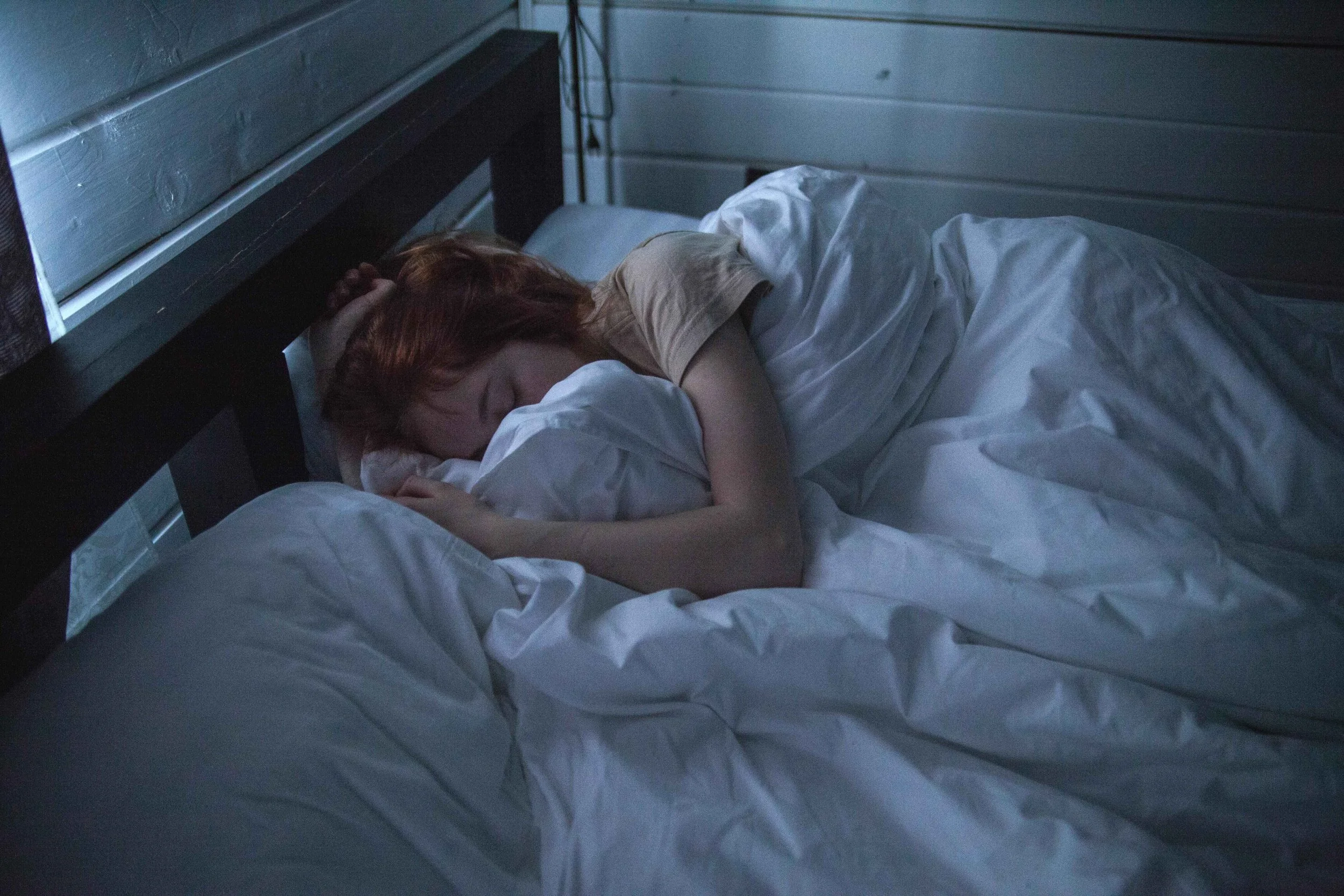
Struggling to fall asleep or stay asleep can be frustrating, especially when tossing and turning night after night starts to affect your mood, focus, and overall health. For many, traditional advice like “just relax” or “avoid screens before bed” is not enough. That is where sleep restriction therapy comes in- a targeted behavioral approach designed to help people retrain their sleep patterns and improve sleep efficiency. Unlike methods that encourage more time in bed, sleep restriction therapy intentionally limits the time you spend in bed to consolidate sleep and strengthen your body’s natural sleep drive.
But does it really work? Research suggests that sleep restriction therapy can be remarkably effective, particularly for people with insomnia. By gradually adjusting your bedtime and wake time, this therapy helps reset your internal clock, reduce nighttime awakenings, and make falling asleep easier. While it can feel challenging at first, because you might be spending less time in bed than you want, the payoff often comes in the form of deeper, more restorative sleep. In this blog, we will explore how sleep restriction therapy works, why it is effective, and what you should know before trying it.
Anchor Therapy is a counseling center in Hoboken, NJ with mental health therapists specialized in helping children, teens, adults, couples, and families with anxiety, depression, relationship issues, trauma, life transitions, and more. Anchor Therapy is accepting new clients and is now providing in-person sessions and teletherapy sessions to residents of New Jersey, New York, and Florida.
What is sleep restriction therapy?
SRT is a behavioral treatment designed to help people who struggle with insomnia. Unlike many methods that encourage spending more time in bed, SRT intentionally limits the time you spend lying down to match the actual amount of sleep you typically get. While this might seem counterintuitive, the approach strengthens the body’s natural sleep drive, making it easier to fall asleep and stay asleep. By consolidating sleep into a shorter, more focused window, SRT helps reduce restless tossing and turning and improves overall sleep quality.
Benefits of SRT include:
Improved sleep efficiency:
Spend more of your time in bed actually sleeping rather than tossing and turning.
Faster sleep onset:
Fall asleep more quickly due to increased sleep pressure.
Longer uninterrupted sleep:
Reduce nighttime awakenings and stay asleep longer.
Better daytime alertness:
Feel more rested, focused, and energized during the day.
Enhanced sleep quality:
Experience deeper, more restorative sleep cycles.
Reduced reliance on medication:
A non-pharmacological approach to treating insomnia.
Restored natural sleep rhythm:
Helps your internal clock align more closely with your desired sleep schedule.
Sustainable long-term results:
Gradual adjustments promote lasting improvements in sleep patterns.
The therapy begins with a careful assessment of your usual sleep patterns, often recorded in a sleep diary. From there, a “sleep window” is calculated, usually starting with the average amount of sleep you are already getting each night. For example, if you spend eight hours in bed but only sleep for five, your initial sleep window would be five hours. Over time, this window is gradually increased in small increments, typically 15 to 20 minutes, once sleep efficiency improves. This gradual adjustment helps the body recalibrate its internal clock and encourages deeper, more restorative sleep.
The science behind SRT is based on the concept of sleep homeostasis which is the body’s natural need for sleep. The longer you stay awake, the stronger your drive to sleep becomes. By restricting time in bed, SRT increases this sleep pressure, making it easier to fall asleep quickly and stay asleep longer. Research has consistently shown that SRT can reduce the time it takes to fall asleep, decrease nighttime awakenings, and increase overall sleep efficiency in people with chronic insomnia.
How do I know if I struggle with chronic insomnia?
Difficulty falling asleep:
Taking 30 minutes or longer to fall asleep most nights.
Frequent nighttime awakenings:
Waking up multiple times and struggling to fall back asleep.
Early morning awakening:
Waking up earlier than intended and being unable to return to sleep.
Non-restorative sleep:
Feeling tired or unrefreshed even after a full night in bed.
Daytime fatigue or sleepiness:
Experiencing low energy, drowsiness, or trouble concentrating during the day.
Mood disturbances:
Feeling irritable, anxious, or depressed as a result of poor sleep.
Sleep difficulties at least three nights per week:
Persistent sleep problems occurring regularly for three months or longer.
Impact on daily life:
Sleep issues interfere with work, school, social life, or overall functioning.
The benefits of sleep restriction therapy can be significant. Many people notice improvements within a few weeks, experiencing longer stretches of uninterrupted sleep and feeling more alert during the day. However, the process can be challenging at first, as limiting time in bed may temporarily increase daytime fatigue or sleepiness. It is important to approach the therapy carefully, particularly for people with certain medical conditions such as epilepsy, untreated sleep apnea, or severe depression, who should consult a healthcare professional before starting SRT.
Sleep restriction therapy is most effective when combined with other behavioral strategies, like keeping a consistent sleep schedule, using the bed only for sleep, and practicing relaxation techniques. Tracking your sleep in a diary and making gradual adjustments ensures long-term success. Although it requires patience and discipline, SRT can help break the cycle of insomnia, allowing your sleep to become more predictable, restorative, and naturally aligned with your body’s internal rhythm. Over time, many people find that they fall asleep faster, stay asleep longer, and wake up feeling more refreshed.

How to start sleep restriction therapy
Starting sleep restriction therapy begins with understanding your current sleep patterns. The first step is usually to keep a sleep diary for one to two weeks, recording the times you go to bed, fall asleep, wake up during the night, and get out of bed in the morning. This record gives a clear picture of how much sleep you are actually getting which is crucial for determining your initial sleep window. The goal of SRT is to match your time in bed with your actual sleep, so accurate data is essential before making any changes.
Tips for keeping a sleep diary:
Record sleep and wake times:
Note the exact time you go to bed, fall asleep, wake up during the night, and get out of bed in the morning.
Track naps:
Include any daytime naps and their duration, as they can affect nighttime sleep. View our blog “Can Napping Prevent Burnout?”.
Rate sleep quality:
Give each night a simple rating (e.g., poor, fair, good, excellent) to track how restful your sleep feels.
Note factors affecting sleep:
Record things like caffeine, alcohol, medications, exercise, stress, or screen time that might influence sleep.
Be consistent:
Fill out the diary daily, ideally at the same times, to maintain accuracy.
Include bedtime routine details:
Jot down what you do before bed (reading, showering, relaxation techniques) to identify helpful habits.
Track daytime symptoms:
Note energy levels, mood, or concentration during the day to see how sleep affects your functioning.
Keep it simple:
Use a template or app to make recording quick and easy, so you are more likely to stick with it.
Once you have a clear picture of your sleep patterns, the next step is to calculate your initial sleep window. This typically starts with the average number of hours you are actually sleeping each night. For example, if you are in bed for eight hours but only sleep for five, your starting sleep window would be five hours. Your bedtime and wake-up time are then adjusted to fit this window, often by shifting the bedtime later while keeping the wake-up time consistent. This step is intentionally strict and may initially feel challenging, but it helps increase sleep pressure and consolidate sleep.
It is highly recommended to work with a sleep restriction therapist when starting SRT, especially for chronic insomnia. A trained sleep therapist at Anchor Therapy can guide you through the process, monitor your progress, and make adjustments safely. They can also combine SRT with other behavioral strategies like stimulus control or relaxation techniques. Working with a professional ensures that the therapy is tailored to your specific needs, helps prevent frustration, and provides support if daytime sleepiness or other challenges occur.
As therapy continues, the sleep window is gradually expanded. Once your sleep efficiency improves, typically measured as spending at least 85% of your time in bed actually asleep, the therapist may increase your sleep window by 15 to 20 minutes at a time. These incremental adjustments continue until you reach an optimal bedtime and wake-up schedule that allows for sufficient restorative sleep. Keeping up with the sleep diary throughout this process is critical to track improvements and make data-driven adjustments.
Consistency and patience are key to the success of SRT. It may take several weeks to notice significant improvements, and the initial restriction phase can be challenging. However, by following the structured plan and working with a therapist, most people eventually experience faster sleep onset, longer uninterrupted sleep, and improved daytime alertness. Over time, SRT can help reset your internal clock, restore healthy sleep patterns, and reduce reliance on medication or other sleep aids.

Can I do sleep restriction therapy at home?
Sleep restriction therapy can be done at home, but it requires careful planning, discipline, and consistent tracking of your sleep patterns. The first step is to monitor your sleep using a sleep diary for one to two weeks. Record the times you go to bed, fall asleep, wake up during the night, and get out of bed in the morning. This information helps determine your actual sleep duration and forms the basis for calculating your initial sleep window. Accurate tracking is essential because SRT works by matching your time in bed with the amount of sleep you are actually getting.
Once you know your average sleep duration, you can set your initial sleep window at home. For example, if you spend eight hours in bed but only sleep five, your starting sleep window would be five hours. Choose a consistent wake-up time and adjust your bedtime to fit within the window. It is normal for the first few nights to feel challenging with increased sleepiness during the day. To manage this, plan low-energy activities and avoid driving or operating heavy machinery until you adjust.
While SRT can be self-administered, working with a sleep therapist, even remotely, is highly recommended. A therapist can guide you through adjustments, help troubleshoot challenges, and combine SRT with other behavioral strategies like stimulus control or relaxation techniques. They also ensure the process is safe for people with underlying health conditions, such as sleep apnea, severe depression, or epilepsy, which may complicate at-home SRT. Telehealth sessions can make professional guidance accessible even if you want to implement the therapy primarily at home. Read our blog “Your Guide to Online Therapy.”
As you continue the therapy, gradually expand your sleep window in 15-20 minute increments once your sleep efficiency improves (typically more than 85%). Tracking your sleep daily ensures adjustments are data-driven and safe. Patience and consistency are key as improvements often appear within a few weeks. With careful monitoring, adherence to the sleep schedule, and guidance from a therapist, SRT at home can help you achieve faster sleep onset, longer uninterrupted sleep, and improved daytime alertness without relying on medication.
Sleep restriction therapy offers a structured, research-backed approach to overcoming insomnia without relying on medication. By intentionally limiting the time spent in bed and gradually adjusting your sleep window, SRT helps strengthen your body’s natural sleep drive, improve sleep efficiency, and restore a healthy sleep pattern. While the process can feel challenging at first, especially during the initial phase when daytime sleepiness may increase, the benefits often outweigh the short-term discomfort, leading to deeper, more restorative sleep and improved daytime alertness.
Success with SRT is built on consistency, patience, and careful tracking of your sleep patterns. Keeping a sleep diary, maintaining a regular bedtime and wake-up schedule, and paying attention to factors that affect sleep can make a significant difference. Working with a sleep restriction therapist, even briefly, can provide valuable guidance, ensure safe implementation, and combine SRT with other behavioral strategies to maximize results. Check out our blog “Unlocking the Secrets of Quality Sleep: A Therapist’s Perspective on Sleep Hygiene and Insomnia.”
Ultimately, sleep restriction therapy empowers you to take control of your sleep in a structured, measurable way. For anyone struggling with chronic insomnia, it offers a practical, non-pharmacological solution that can transform restless nights into consistent, restorative sleep. With commitment and proper guidance, better sleep is not just possible, it is achievable!

Victoria Scala
is the Social Media Manager and Community Engagement Director at Anchor Therapy in Hoboken, New Jersey. She is a graduate of the Honors College of Rutgers University-Newark and is currently studying Clinical Mental Health Counseling at the graduate level.
IF YOU’RE LOOKING FOR HELP FROM A PROFESSIONAL COUNSELOR TO ASSIST YOU IN MAKING POSITIVE CHANGES IN YOUR LIFE, CONTACT US
WORKING WITH US IS EASY
Fill out the contact form below.
Our intake coordinator will get back to you with more information on how we can help and to schedule an appointment. We will set you up with an experienced licensed therapist who specializes in what you're seeking help with and who understands your needs.
You’ll rest easy tonight knowing you made the first step to improve your life.



Maybe you're the one who gets blamed no matter what actually happened, at home, at work, or even with friends. Something goes wrong, and somehow it lands on you. If that sounds familiar, there's a word for what's happening: scapegoat. A scapegoat is a person who's unfairly blamed for problems they didn't cause. Scapegoating shows up most in families, where it's often called being the family scapegoat.