
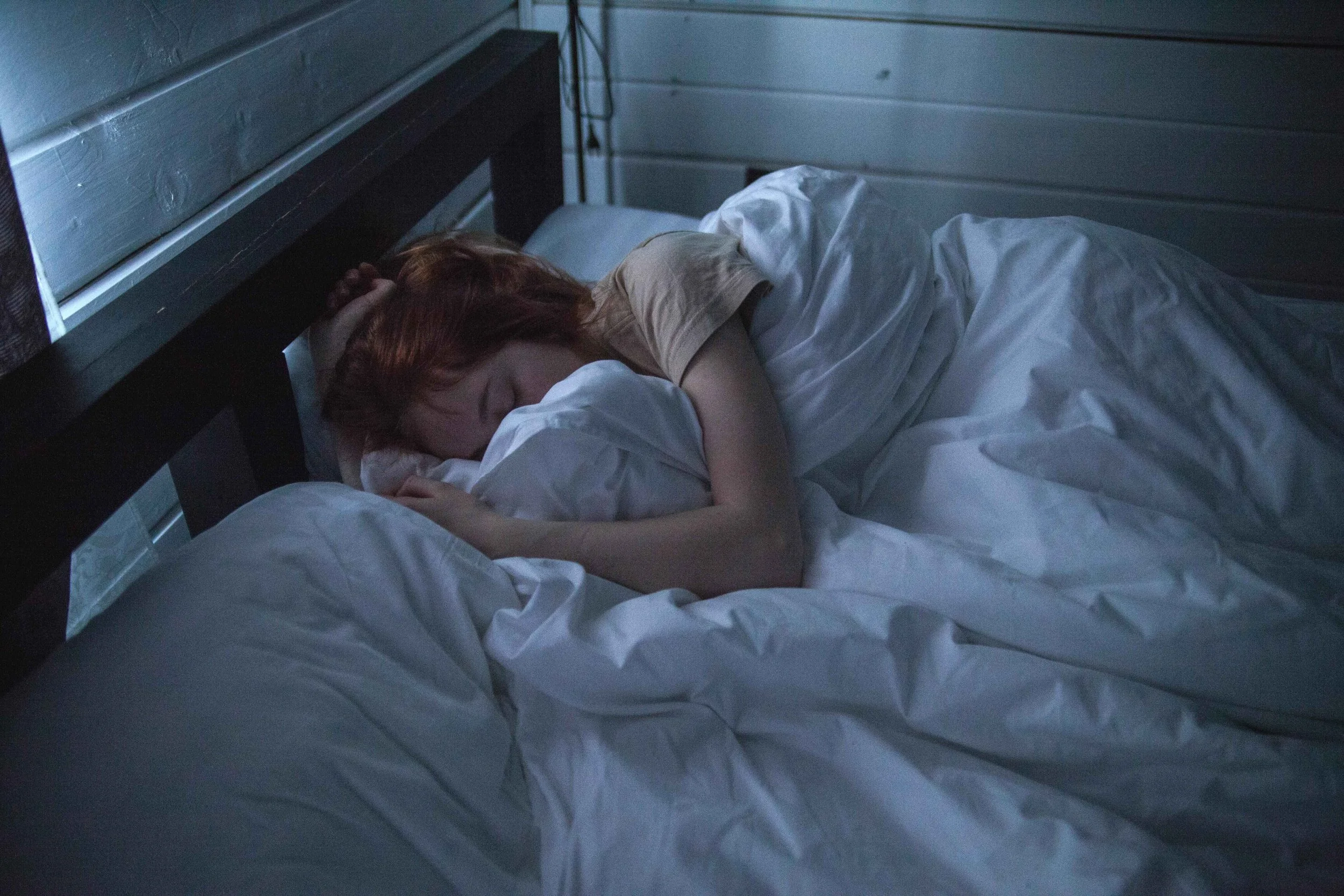
Do naps make people happier

Does Sleep Restriction Therapy Actually Work?

Does Sleep Restriction Therapy Actually Work?

Struggling to fall asleep or stay asleep can be frustrating, especially when tossing and turning night after night starts to affect your mood, focus, and overall health. For many, traditional advice like “just relax” or “avoid screens before bed” is not enough. That is where sleep restriction therapy comes in- a targeted behavioral approach designed to help people retrain their sleep patterns and improve sleep efficiency. Unlike methods that encourage more time in bed, sleep restriction therapy intentionally limits the time you spend in bed to consolidate sleep and strengthen your body’s natural sleep drive.

But does it really work? Research suggests that sleep restriction therapy can be remarkably effective, particularly for people with insomnia. By gradually adjusting your bedtime and wake time, this therapy helps reset your internal clock, reduce nighttime awakenings, and make falling asleep easier. While it can feel challenging at first, because you might be spending less time in bed than you want, the payoff often comes in the form of deeper, more restorative sleep. In this blog, we will explore how sleep restriction therapy works, why it is effective, and what you should know before trying it.

Can Napping Prevent Burnout?

Can Napping Prevent Burnout?

Burnout has become an increasingly common problem in today’s fast-paced, always-on culture. Constant stress, overwhelming workloads, and the pressure to perform can leave both the mind and body exhausted, making it difficult to function at your best. While many people push through fatigue with caffeine or sheer willpower, they often overlook one simple yet powerful tool: napping. Short, intentional naps can offer more than just a quick energy boost- they can help reset the brain, reduce stress hormones, and improve emotional resilience, all of which are key factors in preventing burnout.

But can napping really make a difference when it comes to chronic stress and exhaustion? Research suggests that taking time to rest during the day helps improve mood, increase focus, and lower the risk of mental and physical health problems associated with burnout. In this post, we will explore how strategic napping supports mental health, why it is an essential practice for self-care, and tips on how to incorporate naps into your busy life without disrupting your nighttime sleep.

Are Naps Good for Mental Health?

Are Naps Good for Mental Health?

Napping has long been viewed as a luxury or a habit reserved for the lazy, but recent research suggests that naps can actually be a powerful tool for improving mental health! In our busy, often sleep-deprived world, short naps have become an easy, accessible way to combat fatigue and enhance cognitive performance. When used wisely, naps can help boost mood, increase alertness, and provide a mental reset, making it easier to stay focused and tackle tasks with greater efficiency. Far from being a sign of laziness, taking time for a nap can be an essential practice for maintaining mental well-being in a demanding world.


The benefits of napping go beyond just feeling more awake. Regular naps can reduce stress, improve memory, and even lower the risk of developing anxiety or depression. With the rise of burnout and mental exhaustion, taking short breaks throughout the day, such as a quick nap, has been shown to be an effective way to recharge and maintain emotional balance. In this blog, we will explore the science behind napping and how incorporating this simple habit into your routine can have lasting positive effects on your mental health.
