
How to Calm Your Fear of Confrontation and Difficult Conversations

How to Calm Your Fear of Confrontation and Difficult Conversations

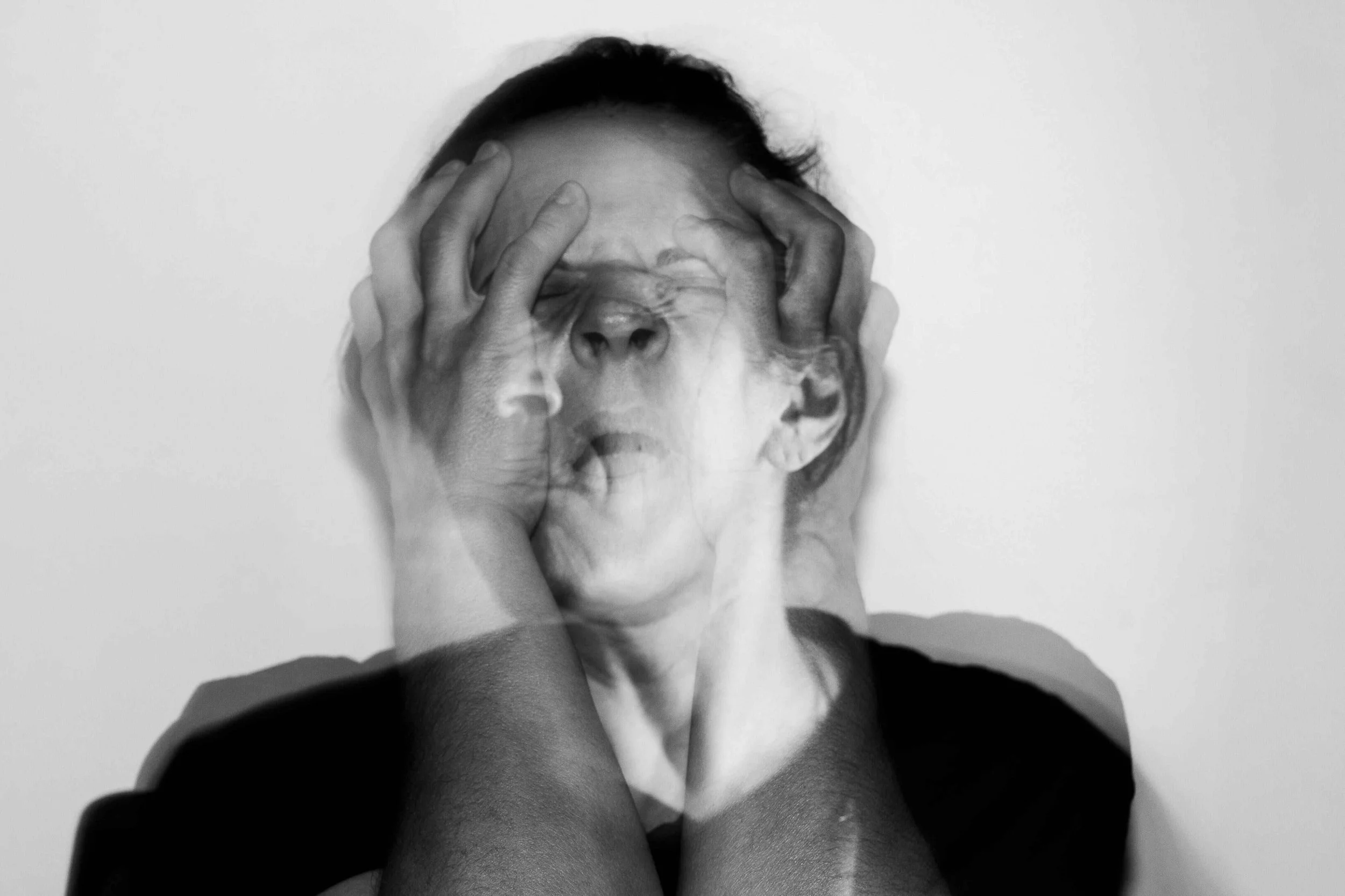
You have been rehearsing the same conversation in your head for three days. Maybe it is asking your boss for a raise, telling a friend they hurt you, or finally bringing up something with your partner that you have been avoiding for weeks. Your stomach knots, your heart picks up speed, and a quiet voice insists that it would just be easier to say nothing at all. If that sounds familiar, you are dealing with something very common and very treatable.

Communication anxiety is the intense fear or dread you feel before, during, or after important conversations, especially serious ones that carry the risk of conflict or disappointment. For many people, this shows up most strongly as a fear of difficult conversations, the kind where the stakes feel high and the outcome feels uncertain. In this blog, you will learn what communication anxiety is, why your brain treats hard talks like a threat, what keeps the fear going, and how therapy can help you speak up without spiraling.

What The Fawn Trauma Response Is and How to Heal

What The Fawn Trauma Response Is and How to Heal

Someone in the next room raises their voice, and before you have even registered what is happening, you are already softening yours. You apologize for something that was not your fault. You agree with an opinion you do not actually hold, and you feel a small wave of relief when the tension finally drops. If this feels familiar, you are not imagining it, and you are not weak.

What you may be experiencing is something therapists call the fawn trauma response. The fawn trauma response is a survival pattern where you automatically try to please, appease, or accommodate other people to feel safe, usually at the expense of your own needs and feelings. It often gets mistaken for being kind, easygoing, or "low maintenance" which is part of why it can go unnoticed for years. In this blog, you will learn what the fawn response is, where it comes from, how to spot it in your daily life, and how trauma therapy can help you find your way back to yourself.

Disenfranchised Grief: How to Mourn a Complicated Relationship

Disenfranchised Grief: How to Mourn a Complicated Relationship

Maybe you hadn't spoken in years. Maybe you had, but every conversation left you drained, hurt, or angry. Maybe you loved them deeply and resented them in equal measure, and now that they're gone, you don't know what you're supposed to feel. The death of someone you had a complicated relationship with is one of the most disorienting forms of grief there is, and one of the least talked about.

Disenfranchised grief is grief that society doesn't openly acknowledge or validate. It's the kind of grief that comes from losing someone you had a complicated relationship with, where the people around you may not understand why you're struggling or may expect you to feel only relieved.

Tell Me Lies and Toxic Relationships: What the Show Gets Right

Tell Me Lies and Toxic Relationships: What the Show Gets Right

If you've watched Tell Me Lies and found yourself unable to look away, even while knowing that everything about Stephen and Lucy's relationship was wrong, you're not alone. There's something deeply uncomfortable about how recognizable it all feels. 

The way charm can make you second-guess your own instincts. The way someone can make you feel chosen and disposable in the same breath. The way you can see the damage happening and still not be able to walk away.

Tell Me Lies is a Hulu drama series that follows college student Lucy Albright as she becomes entangled with Stephen DeMarco, a manipulative and emotionally destructive partner whose behavior spirals across three seasons into one of the most clinically accurate portrayals of a toxic relationship on television. This blog breaks down what the show gets right about manipulation, why Stephen and Lucy's dynamic is so hard to leave, and what it looks like to actually heal from a relationship like theirs.

Financial Infidelity: What It Is and How to Rebuild Trust

Financial Infidelity: What It Is and How to Rebuild Trust

It starts as a conversation about a credit card statement and ends with both of you in separate rooms, not speaking. Or one of you makes a purchase the other didn't know about, and suddenly you're not just talking about money anymore. You're talking about trust, control, and whether you're actually on the same team. Sound familiar?

Financial stress in relationships is the tension, conflict, and emotional distance that arises when partners have different money habits, values, or communication styles around finances. It is one of the most common and least talked-about sources of relationship strain, and it affects couples at every income level. This blog breaks down why money fights happen, what's really going on underneath them, and what you and your partner can do to get on the same page.

Mental Health TikTok: Helpful Insight or Anxiety Trap?

Mental Health TikTok: Helpful Insight or Anxiety Trap?

You open TikTok to decompress for a few minutes and, forty-five minutes later, you've watched seventeen videos about attachment styles, taken a mental quiz about whether you have ADHD, and learned the name of a trauma response you've apparently been experiencing your whole life. You close the app feeling more informed, but also somehow more worried than you were before. Sound familiar?

TikTok anxiety is the psychological tension that builds when short-form video content, especially mental health content, triggers self-comparison, overstimulation, or compulsive scrolling in ways that leave you feeling worse rather than better. This blog explores both sides of the TikTok mental health conversation: the ways it can genuinely increase self-awareness, the ways it quietly fuels anxiety, and how to tell the difference in your own life.

What Is Pure O OCD? Understanding Mental Obsessions and Intrusive Thoughts

What Is Pure O OCD? Understanding Mental Obsessions and Intrusive Thoughts

If you've ever had a thought pop into your head that horrified you, one you'd never act on, one that felt completely out of character, and then spent hours trying to push it out, you know how disorienting that experience can be. For people with OCD, that's not an occasional moment. It's a cycle that can take over large chunks of the day. OCD obsession is an unwanted, repetitive thought, image, or urge that triggers intense anxiety and pulls the mind into a loop of trying to neutralize or escape it.

Most people picture OCD as someone checking the stove or washing their hands. But for many people with OCD, the disorder lives almost entirely in their head, as a flood of unwanted, disturbing intrusive thoughts they’d never act on but can’t stop having. This subtype is often called Pure O OCD, and it’s one of the most misunderstood and underdiagnosed forms of the disorder. This post explains what Pure O looks like, why intrusive thoughts feel so threatening in this kind of OCD, and what genuinely helps.

Growing Up With Conditional Love in a Dysfunctional Family System

Growing Up With Conditional Love in a Dysfunctional Family System

If love in your home growing up always felt like something you had to earn, you already know how exhausting that is to carry. Maybe you learned early that affection came with conditions: be good enough, stay quiet enough, achieve enough, and you'd be okay. Step out of line, and the warmth disappeared. Conditional love is when a parent's affection, approval, or emotional availability depends on a child meeting certain expectations rather than being offered freely and consistently. That kind of environment shapes you in ways that don't just stay in childhood.

Growing up with conditional love in a dysfunctional family system can affect how you see yourself, how you relate to others, and how you move through the world as an adult, often without realizing where those patterns came from. This blog will walk you through what conditional love actually looks like, how it affects adult relationships and self-worth, and what healing can look like with the right support.

Are Empaths Real?

Are Empaths Real?

Have you ever walked into a room and immediately felt the emotional temperature shift? Maybe you picked up on a friend's sadness before they said a single word, or you left a party feeling completely drained by emotions that weren't even yours. If that sounds familiar, you've probably wondered whether you're an empath, and whether empaths are even real.

An empath is a person with an extraordinary sensitivity to the emotions, energy, and moods of the people around them, experiencing those feelings as if they were their own. It's a term that gets used a lot on social media and in wellness communities, but the question of whether empaths are real is worth answering honestly. The science turns out to be more interesting than either the skeptics or the true believers tend to admit.

In this blog, we'll look at what the research says, how psychology understands high emotional sensitivity, and what it all means for your mental health and relationships.

Anxiety After Job Loss: Why It Happens and How to Get Through It

Anxiety After Job Loss: Why It Happens and How to Get Through It

Losing a job can pull the floor out from under you. One day you have a routine, a paycheck, a place to be every morning. The next, all of that is gone, and the anxiety that moves in can feel impossible to shake. If you've been lying awake running the numbers, second-guessing every decision that led here, or dreading the question "so, what do you do?", you're not overreacting.

Anxiety after job loss is one of the most common and least talked-about mental health challenges adults face. This blog will walk you through why it hits so hard, how long it typically lasts, what actually helps, and when working with an anxiety therapist at Anchor Therapy can make a real difference in how quickly you get back on your feet.

How to Cope With a Breakup as a Man (And Why It's Harder Than Anyone Tells You)

How to Cope With a Breakup as a Man (And Why It's Harder Than Anyone Tells You)

You're doing fine until you're not. Maybe it hits you in the car on the way to work, or at 11pm when you reach for your phone and remember there's no one to text. The relationship is over, and even if part of you saw it coming, nothing quite prepares you for the weight of it.

If you've landed here searching for how to cope with a breakup as a man, you're probably not someone who talks about this stuff easily, and that's exactly why it tends to hit so hard. Men are rarely given the tools to process emotional pain, let alone permission to feel it. This blog is going to walk you through what's actually happening when a breakup wrecks you, why the things you're feeling make complete sense, and what can genuinely help, including how working with a male therapist at Anchor Therapy can change the way you move forward.

What Is The #1 Thing That Destroys Marriages?

What Is The #1 Thing That Destroys Marriages?

The #1 thing that destroys marriages is not always dramatic as it is often something that quietly erodes the bond over time: a breakdown in communication. When couples stop truly talking and listening to each other, small misunderstandings turn into major resentments. Conversations become arguments, emotional distance grows, and partners begin to feel unheard or unloved. Without open, honest, and empathetic communication, even the strongest relationships can start to crumble.

Healthy communication is the heartbeat of every successful marriage. It is what allows couples to navigate conflict, share dreams, express needs, and maintain emotional intimacy. When that connection fades, partners can drift apart, not because they stopped loving each other, but because they stopped understanding each other. Recognizing the signs of poor communication and making intentional efforts to rebuild it can mean the difference between a relationship that merely survives and one that truly thrives.

Why Do I Keep Attracting Narcissistic Partners?

Why Do I Keep Attracting Narcissistic Partners?

You look back at your relationships and notice a pattern that is hard to ignore. At first, things often feel exciting, intense, and deeply connecting, but over time something shifts. You start feeling confused, second-guessing yourself, and wondering how things that felt so good in the beginning can end up feeling so draining or painful. If you have ever asked yourself why this keeps happening with the people you choose, you are not alone.

Wondering “why do I keep attracting narcissistic partners?” usually comes from a place of frustration and self-reflection, not blame. The truth is, this pattern is rarely about one single type of person or a conscious choice you are making. It is often shaped by emotional experiences, attachment patterns, and what feels familiar to your nervous system. In this blog, we will explore why this pattern happens, what may be drawing you into these dynamics, and how you can begin to break the cycle over time.

8 Tips for Dealing With A Narcissist

8 Tips for Dealing With A Narcissist

You're walking on eggshells in your own home. Conversations that should be simple turn into something you have to brace yourself for, and the moment you push back on anything, the script flips and somehow you're the bad one. You've started Googling words like "narcissist" and "manipulation" at 11pm because you don't know what to call what's happening, but you know something is wrong. You searched for how to deal with a narcissist, and you landed here. This post walks through what actually counts as narcissistic behavior versus everyday self-centeredness, what to watch for in your own relationship, and 8 specific strategies our therapists at Anchor Therapy use with clients who can't, or aren't ready to, leave the relationship.

The first step to determine your dynamic with someone who you think is a narcissist is to know the difference between someone with narcissistic tendencies and someone with Narcissistic Personality Disorder.

Why Toxic Relationships Feel So Hard to Leave (Even When You Know Better)

Why Toxic Relationships Feel So Hard to Leave (Even When You Know Better)

You tell yourself this is the last time. After the argument, the silence, or the way they made you question your own memory, something in you clicks. You know this relationship is not healthy. But then a few days pass, things feel normal again, maybe even good, and suddenly leaving does not feel as clear anymore. If you have ever felt stuck in that cycle, knowing something is wrong but still finding it almost impossible to walk away, you are not alone.

Toxic relationships can be incredibly hard to leave, even when you fully recognize the damage they are causing. Nearly half of women and men in the United States will experience psychological aggression from an intimate partner at some point in their lives which shows just how common and often hidden these kinds of relationship dynamics really are. It is not just about willpower or being strong enough. There are real psychological patterns, emotional attachments, and nervous system responses that keep people tied to relationships that hurt them. In this blog, we will break down why this happens, what is actually going on beneath the surface, and what can start to help you move forward.

How Postpartum Depression (PPD) Affects Intimacy in Relationships

How Postpartum Depression (PPD) Affects Intimacy in Relationships

Postpartum Depression (PPD) can quietly reshape a couple’s relationship in ways many people do not expect. While much of the focus after birth naturally centers on the baby, the emotional and physical bond between partners often shifts under the weight of exhaustion, hormonal changes, identity adjustment, and mental health challenges. 

For the partner experiencing PPD, feelings of sadness, numbness, irritability, or anxiety can make emotional closeness feel distant or even overwhelming. For the other partner, confusion and emotional disconnection can grow as affection, communication, and physical intimacy change without clear explanation.

Intimacy after childbirth is rarely just about sex. It includes emotional connection, communication, trust, and feeling understood. When PPD enters the picture, these layers of intimacy can become strained. One partner may withdraw emotionally or physically, not because of lack of love, but because their mind and body are in survival mode. Meanwhile, the other may feel rejected, unsure how to help, or afraid of saying the wrong thing. Understanding how PPD affects intimacy is the first step toward compassion, patience, and rebuilding connection in a way that honors both partners’ experiences during a very vulnerable time.

Couples Therapy Show: Where Are They Now? Dr. Orna Guralnik's Couples on Showtime

Couples Therapy Show: Where Are They Now? Dr. Orna Guralnik's Couples on Showtime

Dr. Orna Guralnik, is a New York City-based Clinical Psychologist and Psychoanalyst, who rose to fame due to her hit Showtime television show, Couples Therapy. Couples Therapy is a documentary series that follows couples as they try to navigate their troubles and concerns. This unscripted series features real couples from the greater New York City area.

As viewers work through the show’s three seasons, they are taught to view the therapeutic process through a lens of compassion and empathy instead of hastiness. Episode by episode, viewers are immersed into the real world of couples counseling, viewing the progress and occasional backsliding of couples.

PTSD and Personality Changes

PTSD and Personality Changes

PTSD does not just show up as flashbacks, anxiety, or nightmares. Instead, it can subtly reshape how a person thinks, feels, and relates to the world around them. Research shows that 5% of United States adults have PTSD. 

Over time, people who have experienced trauma may notice shifts in their temperament, habits, or even core sense of identity. Someone who once felt outgoing might become withdrawn. A person who used to be trusting may start expecting harm or disappointment as the default. These changes can be confusing, especially when they do not match how someone remembers themselves “before.”

What makes PTSD-related personality changes especially complex is that they are not about becoming a different person entirely, they are often about adaptation. The brain and body adjust to survive overwhelming experiences, sometimes by becoming more guarded, hyper-alert, or emotionally numb. While these responses can be protective in unsafe environments, they may feel out of place in everyday life, creating a sense of internal mismatch. Understanding this shift as a survival-based response, rather than a flaw in character, can be an important first step in making sense of how trauma continues to echo through identity.