


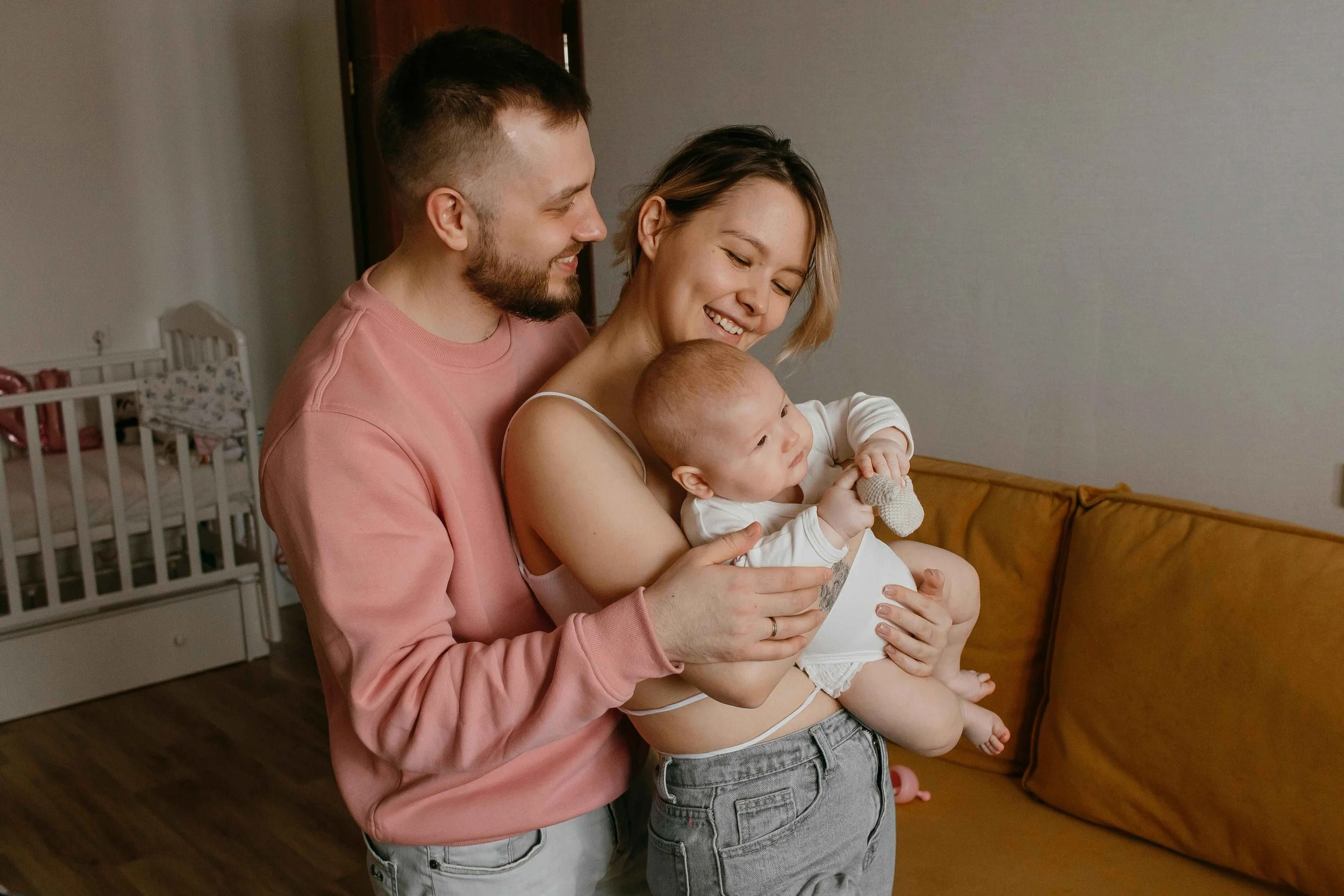
Postpartum Depression (PPD) can quietly reshape a couple’s relationship in ways many people do not expect. While much of the focus after birth naturally centers on the baby, the emotional and physical bond between partners often shifts under the weight of exhaustion, hormonal changes, identity adjustment, and mental health challenges.
For the partner experiencing PPD, feelings of sadness, numbness, irritability, or anxiety can make emotional closeness feel distant or even overwhelming. For the other partner, confusion and emotional disconnection can grow as affection, communication, and physical intimacy change without clear explanation.
Intimacy after childbirth is rarely just about sex. It includes emotional connection, communication, trust, and feeling understood. When PPD enters the picture, these layers of intimacy can become strained. One partner may withdraw emotionally or physically, not because of lack of love, but because their mind and body are in survival mode. Meanwhile, the other may feel rejected, unsure how to help, or afraid of saying the wrong thing. Understanding how PPD affects intimacy is the first step toward compassion, patience, and rebuilding connection in a way that honors both partners’ experiences during a very vulnerable time.