

Gaming has evolved from a casual pastime into a full-fledged cultural phenomenon, offering immersive worlds, social connections, and endless challenges. While most players enjoy gaming responsibly, for some, what starts as a hobby can spiral into a compulsive habit. Recognizing the warning signs early is crucial, not only for the individual but also for their loved ones, because gaming addiction can subtly impact mental health, relationships, and daily responsibilities without being immediately obvious.
Understanding the behavioral patterns behind excessive gaming is the first step toward prevention and intervention. From neglecting work or school commitments to feeling irritable when not playing, these signs can manifest in ways that blend seamlessly into everyday life. By learning to spot these patterns, families, friends, and even gamers themselves can take proactive steps to regain balance, ensuring that gaming remains a fun and healthy part of life rather than a disruptive force.
Anchor Therapy is a counseling center in Hoboken, NJ with mental health therapists specialized in helping children, teens, adults, couples, and families with anxiety, depression, relationship issues, trauma, life transitions, and more. Anchor Therapy is accepting new clients and is now providing in-person sessions and teletherapy sessions to residents of New Jersey, New York, and Florida.
What triggers gaming addiction?
Gaming addiction does not occur in isolation. It is usually driven by a combination of psychological, social, and environmental factors that make certain individuals more vulnerable.
One of the strongest triggers is the design of the games themselves. Many modern video games are built with reward systems, leveling mechanics, and loot drops that give players a dopamine boost each time they achieve something. This intermittent reinforcement, which is similar to gambling, can make players feel compelled to keep playing, chasing that next small victory or rare item, often without realizing how much time has passed.
Another significant trigger is emotional escapism. Players often turn to gaming as a way to cope with stress, anxiety, depression, or feelings of loneliness. Read our blog “How to Battle the Loneliness Epidemic.”
In these cases, gaming becomes a refuge from real-life challenges, offering immediate gratification and control over an environment that may feel unpredictable or overwhelming.
Over time, reliance on games to regulate emotions can increase tolerance, meaning the person needs to play more and more to achieve the same sense of relief, laying the groundwork for addictive behavior. Read our blog “How to Regulate Your Emotions.”
Social factors also play a key role. Online multiplayer games and social platforms encourage constant engagement, building a sense of community and belonging. While these social interactions can be positive, they can also pressure individuals to stay online to maintain friendships, reputation, or rank within a gaming community. Missing out on events or competitive milestones can create anxiety and compel players to log in repeatedly, reinforcing compulsive behavior patterns.
Personal traits and psychological vulnerabilities are another important trigger. Research has found that individuals with impulsive personalities, low self-esteem, or a high need for achievement may be more prone to gaming addiction.
These players are often drawn to the structured rewards, clear objectives, and immediate feedback that games provide, which can be more gratifying than real-life accomplishments that require long-term effort. When real-world challenges feel too difficult, games can become a preferred, and sometimes exclusive, source of success and validation.
Lastly, environmental and situational factors can exacerbate addictive behavior. Easy access to high-speed internet, mobile devices, and 24/7 gaming platforms means there are fewer barriers to prolonged play. A lack of alternative recreational activities or not enough parental or social oversight can also contribute, especially among teens. When combined with the other triggers; such as emotional coping, social pressures, and game design mechanics; these environmental factors create a perfect storm for gaming addiction to swoop in and take hold.

What are the symptoms of video game addiction?
One of the earliest and most noticeable signs of video game addiction is constant preoccupation with gaming. This goes beyond thinking about strategies or upcoming games as you may daydream about gaming while at work, school, or social events. You might plan your schedule around gaming sessions, obsessively follow gaming news, or replay past achievements in your minds. This mental fixation can interfere with focus on responsibilities and diminish interest in non-gaming activities.
Examples of obsessive thinking regarding gaming include:
“I compare my stats and achievements with other players constantly, even when I know it is stressing me out.”
“I cannot stop thinking about reaching the next level, even while I am at work.”
“I keep replaying every battle in my mind, thinking about how I could have performed better.”
“I feel anxious if I cannot log in and check my game progress.”
“I worry about missing out on my clan’s activities if I am not online.”
Similar to substance addiction, withdrawal can occur when a person is unable to play.
When gaming is interrupted or restricted, one may experience:
Irritability
Anxiety
Restlessness
Mood swings
Some individuals report feeling empty, frustrated, or depressed without access to their games. The intensity of withdrawal symptoms often drives compulsive behavior, pushing the individual to spend more time gaming to alleviate these uncomfortable emotions.
A hallmark of video game addiction is the inability to limit playtime despite knowing its negative consequences. Individuals may intend to play for only an hour but end up gaming for several hours, often losing track of time entirely. Attempts to cut back are usually unsuccessful, and the compulsion to play overrides personal, academic, or professional responsibilities. This loss of control often contributes to strained relationships and neglected obligations.
Addicted gamers frequently begin to neglect responsibilities such as school, work, household chores, or self-care. Deadlines may be missed, grades can decline, and professional performance may suffer. Even personal hygiene or sleep routines may be disrupted in favor of extended gaming sessions. This symptom signals that gaming is no longer a recreational activity but has become a dominant, disruptive force in daily life.
Video game addiction often leads to withdrawal from family, friends, and real-world social interactions. Players may skip social gatherings, avoid family time, or retreat into online communities exclusively. While online friendships can provide social engagement, they often replace in-person connections, leaving the individual increasingly isolated. Over time, this isolation can exacerbate feelings of loneliness, creating a cycle where gaming becomes the primary coping mechanism.
Common feelings of loneliness include:
Feeling isolated even when surrounded by people
Experiencing emptiness or a sense of something missing in life
Feeling disconnected from friends, family, or community
Believing that no one truly understands or relates to your experiences
Feeling unwanted or unappreciated in social situations
Experiencing sadness or low mood without a clear reason
Feeling invisible or overlooked by others
Experiencing anxiety or discomfort in social interactions (Read our blog “How to Overcome Social Anxiety Disorder”)
Feeling bored or restless when alone
Longing for meaningful connections but struggling to make them
Despite the clear negative effects on mental, physical, and social health, addicted gamers often deny the severity of their behavior. They may rationalize excessive play as “stress relief” or minimize the consequences, even when it causes conflicts, financial strain, or health issues. Persistent engagement despite these adverse outcomes is a strong indicator of addiction, highlighting the compulsive nature of the behavior rather than simply enjoying gaming as a hobby.
How many hours a day is a gaming addiction?
There is not a strict number of hours that automatically defines gaming addiction, because the condition is more about behavioral patterns and impact than time alone. However, researchers and mental health professionals often note that consistently playing more than four to six hours a day; especially when it interferes with work, school, relationships, or self-care; can be a warning sign. It is important to consider not just the quantity of time spent gaming, but also the inability to cut back or stop despite negative consequences.
The context of gaming matters as well. For example, someone who plays six hours a day on weekends for fun but maintains responsibilities during the week is generally not considered addicted. In contrast, a person who plays even three hours daily but neglects meals, sleep, work, or social interactions may be exhibiting signs of addiction. The key factor is compulsive engagement where gaming becomes a priority over almost everything else in life.
Ultimately, gaming addiction is identified by a pattern of harmful consequences rather than a specific hour threshold. Addiction therapists at Anchor Therapy also look for signs such as irritability when not playing, preoccupation with gaming, and continued play despite knowing its negative effects. While time spent is a helpful guideline, it is the disruption to daily functioning and quality of life that truly defines a problematic relationship with gaming.
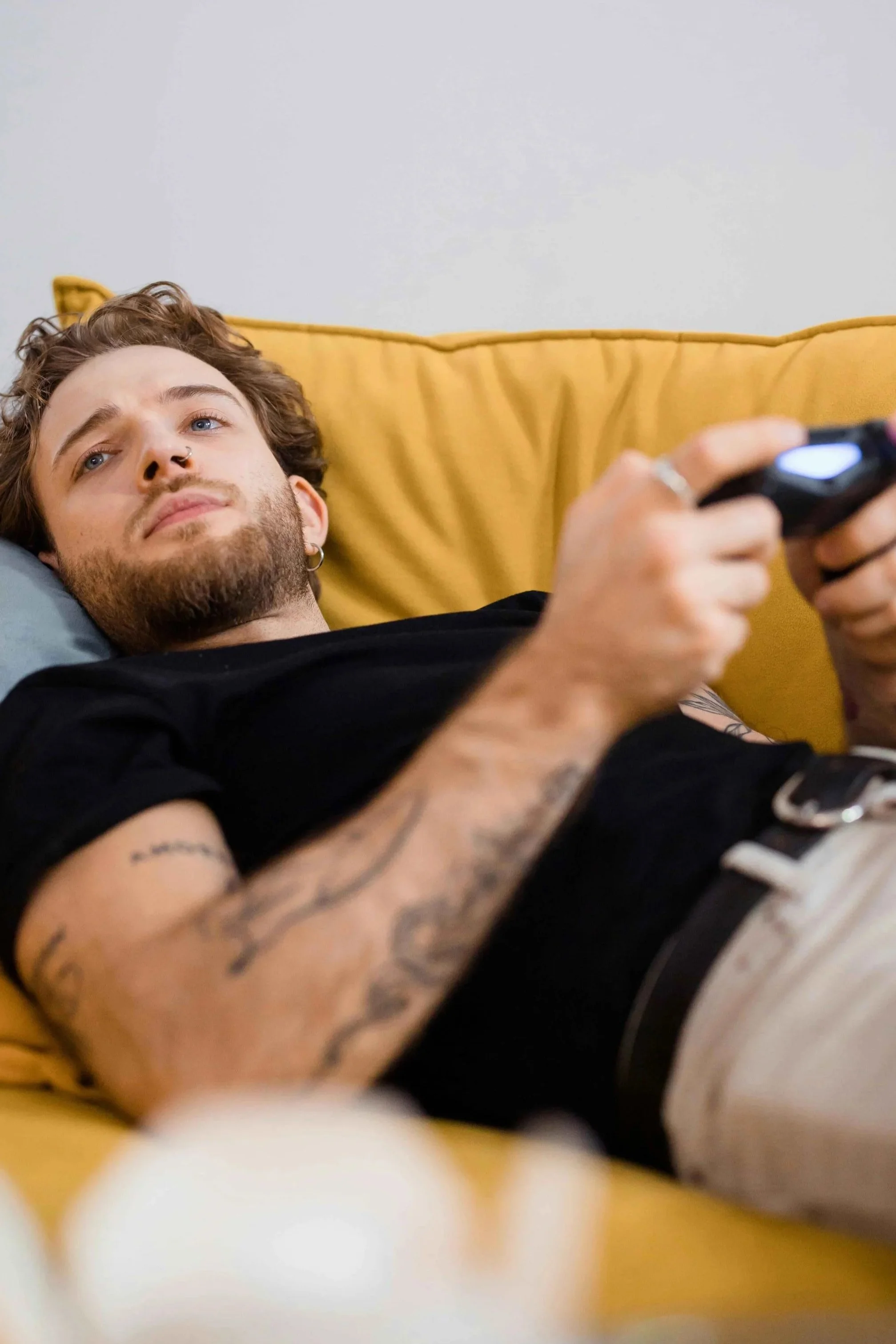
What warning signs indicate that you should stop games?
One of the most obvious warning signs is when gaming starts to interfere with daily responsibilities. Missing deadlines at work or school, neglecting chores, skipping meals, or losing sleep to continue playing are clear indicators that gaming has begun to take priority over essential life tasks. When a hobby disrupts basic routines and obligations, it signals that the balance between gaming and real life has been lost.
Another sign is the presence of negative emotional reactions when you cannot play. Do you feel irritable and anxious when gaming is interrupted? What about restlessness? Sad? If you notice that your mood is strongly tied to whether you are able to game, it may indicate that the activity has moved from a recreational pastime to a coping mechanism or compulsion.
A third warning is social withdrawal or isolation. If you increasingly avoid friends, family, or social events in order to spend more time gaming, it points to an unhealthy attachment. Gaming may offer social interaction online, but when it replaces face-to-face connections and creates distance from loved ones, it can negatively affect relationships and overall well-being.
Finally, persistent denial or rationalization of gaming habits is a strong red flag. Minimizing the impact of extended playtime, ignoring repeated complaints from others, or insisting that gaming is not a problem despite clear negative consequences indicates that the behavior may be addictive. Recognizing these warning signs early is critical, as acknowledging the problem is the first step toward regaining control and restoring a healthier balance between gaming and real life.
How to stop gaming addiction with the help of an addiction therapist
Gaming addiction can feel overwhelming, but professional support from an addiction therapist can provide guidance, structure, and coping strategies to regain control.
Addiction therapists specialize in identifying underlying triggers, patterns, and behaviors that fuel compulsive gaming, offering tailored interventions that go beyond simply “cutting back” on playtime. Working with a therapist helps you understand why you game excessively whether it is to manage stress, escape loneliness, or seek social validation. In other words, you address the root causes rather than just the symptoms.
The first step with a therapist is often assessment and goal-setting. Through detailed conversations and standardized tools, the therapist evaluates the severity of gaming behavior, associated emotional challenges, and the impact on daily life.
Together, you and the therapist develop realistic goals which may include setting specific limits on gaming hours, gradually replacing gaming with alternative activities and establishing healthy routines. These structured plans make recovery manageable and measurable which can prevent feelings of overwhelm or relapse. Read our blog “How to Create A Daily Routine.”
Therapists also teach coping strategies and behavioral techniques. Cognitive-Behavioral Therapy (CBT), for example, helps individuals recognize obsessive thoughts about gaming and replace them with healthier responses. Mindfulness practices, time-management skills, and stress-reduction techniques are often integrated into therapy sessions to reduce reliance on gaming as an emotional escape. Additionally, addiction therapists provide accountability and support, offering encouragement while helping you navigate setbacks with zero judgment attached.
Finally, working with an addiction therapist often involves engaging family or social support networks. By including loved ones, therapists help rebuild healthy connections that may have been strained by excessive gaming. This holistic approach ensures the individual has both the professional guidance and real-life support needed to break the cycle of addiction, restore balance, and maintain long-term well-being. With consistent effort and professional assistance, overcoming gaming addiction becomes an achievable goal!
Recognizing gaming addiction is the first step toward taking back control of your time, relationships, and well-being. By understanding the triggers, symptoms, and warning signs, and seeking support when needed, you can enjoy gaming as a healthy hobby rather than a disruptive habit. Through self-awareness, lifestyle changes, and professional guidance from an addiction therapist, it is possible to restore balance and reclaim a life where gaming is a fun part of your life, not the center of it.

Victoria Scala
is the Social Media Manager and Community Engagement Director at Anchor Therapy in Hoboken, New Jersey. She is a graduate of the Honors College of Rutgers University-Newark and is currently studying Clinical Mental Health Counseling at the graduate level.
IF YOU’RE LOOKING FOR HELP FROM A PROFESSIONAL COUNSELOR TO ASSIST YOU IN MAKING POSITIVE CHANGES IN YOUR LIFE, CONTACT US
WORKING WITH US IS EASY
Fill out the contact form below.
Our intake coordinator will get back to you with more information on how we can help and to schedule an appointment. We will set you up with an experienced licensed therapist who specializes in what you're seeking help with and who understands your needs.
You’ll rest easy tonight knowing you made the first step to improve your life.



Maybe you're the one who gets blamed no matter what actually happened, at home, at work, or even with friends. Something goes wrong, and somehow it lands on you. If that sounds familiar, there's a word for what's happening: scapegoat. A scapegoat is a person who's unfairly blamed for problems they didn't cause. Scapegoating shows up most in families, where it's often called being the family scapegoat.