

In today’s world, dating often happens through swipes, likes, and endless scrolling, creating a new environment where undefined relationships, commonly called situationships, thrive. Dating apps offer instant connection and convenience, but they also encourage ambiguity. When communication is limited to messages and profile impressions, it is easy for two people to enjoy each other’s company without ever defining what their relationship actually is. The line between casual fun and emotional investment becomes blurry, leaving many people stuck in cycles of hope, disappointment, and uncertainty.
Situationships in the age of dating apps are fueled by the illusion of infinite choice. When potential partners are just a swipe away, commitment can feel optional, and exploring other options becomes normalized, even when emotional attachment is already present. This dynamic can make people question their own feelings, wonder if they are being “too invested,” or stay in limbo longer than they would have otherwise. Understanding how modern technology shapes our dating experiences is key to recognizing patterns, setting boundaries, and navigating the messy gray area between casual connection and meaningful commitment.
Anchor Therapy is a counseling center in Hoboken, NJ with mental health therapists specialized in helping children, teens, adults, couples, and families with anxiety, depression, relationship issues, trauma, life transitions, and more. Anchor Therapy is accepting new clients and is now providing in-person sessions and teletherapy sessions to residents of New Jersey, New York, and Florida.
Why Do People Want Situationships?
People enter situationships for a variety of reasons, and understanding these motivations requires looking beyond the surface of “laziness” or “commitment-phobia.” At its core, a situationship offers flexibility: it allows individuals to enjoy companionship, intimacy, and emotional connection without the formal expectations of a traditional relationship. For many, this setup feels safer than committing fully, particularly if they are navigating personal growth, career demands, or past relationship trauma.
Some people are drawn to situationships because of emotional convenience. Life can be unpredictable, and not everyone is in a place where they can prioritize a fully committed partnership. Situationships provide the comfort of closeness; dates, conversations, and physical intimacy; without requiring long-term planning or alignment of life goals. In this sense, situationships can feel like a practical solution for meeting emotional needs while keeping personal freedom intact.
Fear of vulnerability is another reason people gravitate toward situationships. Deep emotional intimacy requires trust and exposure which can be intimidating for those with past heartbreak or attachment wounds. By keeping the relationship undefined, they can enjoy the benefits of connection while maintaining a protective boundary. This can make situationships appealing for people who want companionship without the perceived risks of a fully committed relationship.
Situationships also appeal to individuals who are still exploring their desires and identity. Young adults, for example, may be figuring out what they want in a partner, how they experience sexual or romantic attraction, or how a relationship fits into their broader life goals. A situationship offers a low-stakes environment to learn about oneself and others without the pressure of labels, milestones, or societal expectations.
Technology and modern dating culture play a significant role as well. Dating apps and social media have normalized casual, temporary, or undefined connections. When the emphasis is on choice and convenience, people may unconsciously or consciously opt for situationships instead of committing. This reflects not only personal preference but also broader cultural shifts in how intimacy and partnership are experienced today. View our blog “How to Unlock Emotional Closeness in Your Relationship with An Intimacy.”
Finally, some people simply enjoy the thrill and spontaneity of undefined relationships. Situationships can offer emotional highs without the predictability or responsibility of traditional dating. They allow individuals to engage in intimacy on their own terms, experiment with boundaries, and maintain a sense of autonomy. While this can be fulfilling for some, it can also become emotionally taxing if expectations and feelings are mismatched. Understanding why people want situationships requires recognizing both the freedom and the potential complications inherent in this modern dating phenomenon.
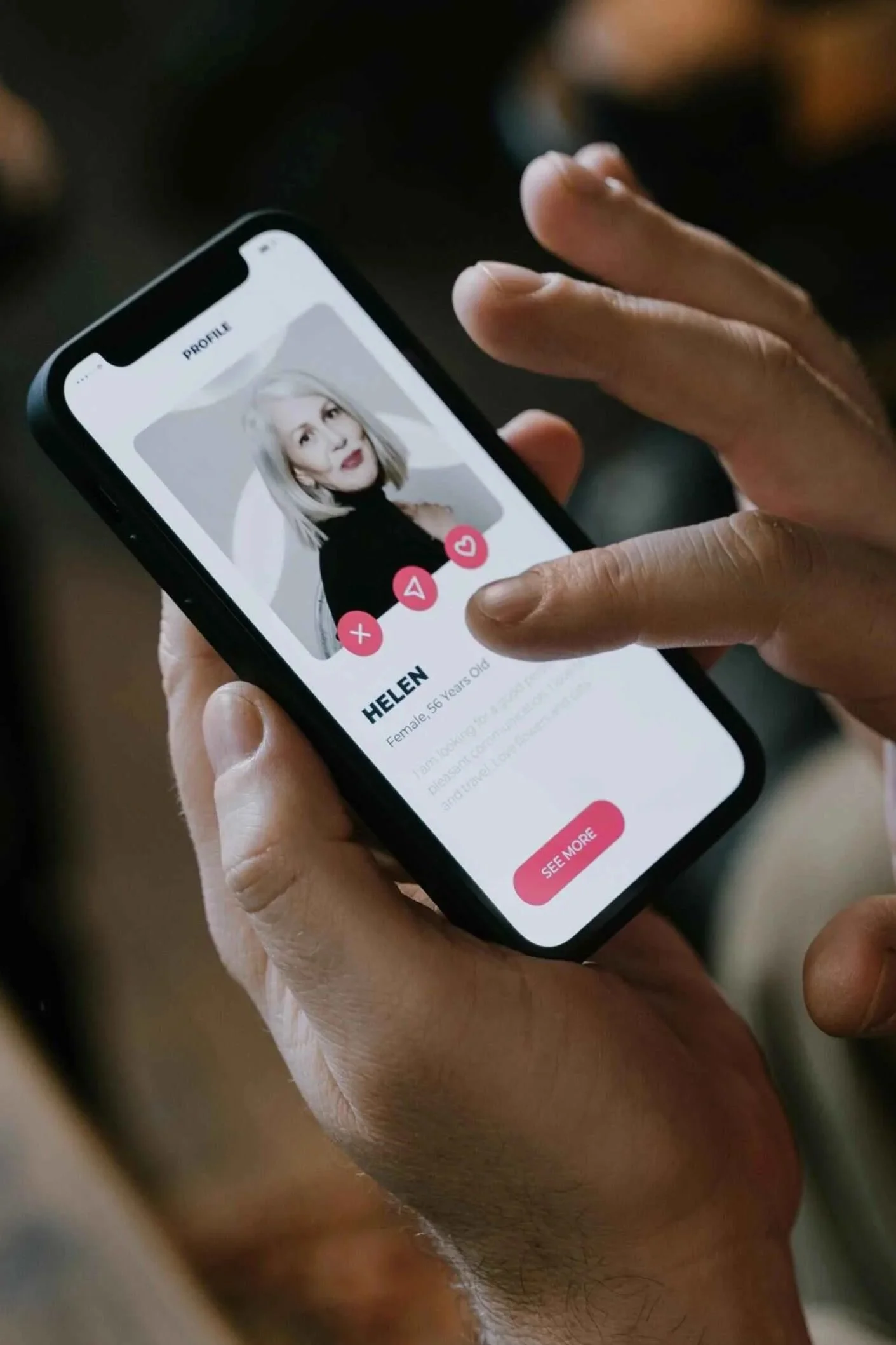
The Dating App Driven Cycle of Undefined Love
The modern dating landscape, dominated by apps and digital connections, has created what many call the “cycle of undefined love.” In this cycle, individuals swipe, match, and message countless potential partners, forming connections that often remain emotionally and relationally ambiguous. The combination of instant access and low accountability encourages patterns where people enjoy closeness and intimacy without ever defining the relationship, leaving both parties unsure of where they stand. This cycle is particularly common among young adults navigating the tension between desire for companionship and fear of commitment. View our blog “How to Overcome Your Fear of Commitment.”
At the heart of this cycle is the concept of intermittent reinforcement, a psychological pattern in which unpredictable rewards strengthen behavior. In dating apps, matches, likes, or messages arrive sporadically, creating excitement and anticipation that mirrors emotional highs in traditional relationships. Because the connection is not clearly defined, every interaction feels potentially significant, keeping individuals engaged even when clarity is absent. This pattern can foster attachment while simultaneously reinforcing ambiguity. Read our blog “How Do The Four Attachment Styles Impact Romantic Relationships?”.
Technology amplifies these dynamics by offering what seems like infinite choice. When profiles are always available to browse, and new matches appear daily, the incentive to commit to a single connection decreases. People may stay in partially defined relationships simply because they fear missing out on something “better,” or because emotional investment feels risky when options feel endless. This environment can normalize situationships, ghosting, and other forms of relational limbo, making undefined love a standard rather than an exception. Our blogs "The Psychology of Situationships: Are They Toxic?", "How Do I Get Out Of My Situationship?", and "Ghosting: Why It Happens and How to Heal From It."
The emotional consequences of this cycle are significant. Individuals can develop heightened anxiety, self-doubt, and feelings of rejection when connections remain unclear or unreciprocated. The lack of closure makes it difficult to process feelings and move forward, creating a loop of hope, disappointment, and continued engagement. Even those who consciously enjoy casual connections may find that prolonged ambiguity subtly erodes their self-esteem and sense of relational agency. Read our blog “Do You Understand Your Self-Esteem?”.
Breaking the cycle of undefined love requires intentionality and self-awareness. Setting personal boundaries, openly communicating expectations, and recognizing one’s own emotional needs are key strategies. View our blog “How to Understand and Develop Boundaries in Relationships.”
How does online dating contribute to the normality of situationships?
Infinite Choice:
Dating apps present a constant stream of potential partners, making commitment feel optional or temporary.
Low Accountability:
Digital interactions often lack the accountability of face-to-face relationships, allowing people to maintain connections without clearly defining them.
Casual Communication Norms:
Texts, DMs, and intermittent messaging encourage “checking in” without clarifying expectations, fostering ambiguity.
Swipe Culture Encourages Exploration:
The gamified nature of apps promotes keeping options open rather than fully investing in one person.
Reduced Social Pressure:
Online dating allows people to explore connections without immediate judgment from peers, making undefined relationships easier to sustain.
Instant Gratification:
Quick matches and messages provide short-term emotional rewards which can replace the need for deeper commitment.
Blurred Lines Between Friendship and Romance:
Apps make it easy to maintain emotionally intimate connections that do not require labels.
Fear of Missing Out (FOMO):
The awareness of endless potential matches can make people hesitant to commit, keeping relationships in a limbo state.
Normalizing Ghosting and Flakiness:
Online dating exposes users to frequent ghosting, partial attention, and inconsistent engagement, reinforcing situationship patterns.
Short Attention Spans and Disposable Connections:
App culture trains users to expect novelty over stability, making undefined relationships feel typical rather than unusual.
While dating apps offer convenience and access, relying on them without reflection can perpetuate patterns of ambiguity. Understanding the psychological and cultural forces driving app-driven situationships allows individuals to engage in digital dating more mindfully, reclaiming clarity, agency, and emotional balance in a landscape that often prizes convenience over connection. Our blog “Are Dating Apps Bad For Your Mental Health?” is a must-read.

The Psychology Behind “Almost Relationships” in a Digital World
The rise of digital dating has given birth to a unique phenomenon often referred to as “almost relationships”- connections that hover between friendship and romance, offering intimacy without clear commitment. Psychologically, these relationships tap into a deep human desire for connection and validation while simultaneously avoiding the risks of vulnerability. Read our blog “3 Steps to Becoming More Vulnerable.”
In a world where swipes and instant messaging create endless opportunities, people can engage in emotional closeness without ever fully defining the relationship, allowing them to enjoy companionship while protecting themselves from potential rejection or heartbreak.
One key psychological factor at play is uncertainty-driven attachment. Humans are wired to respond to cues of connection, and when those cues are inconsistent or ambiguous, the brain can amplify anticipation and emotional investment. In almost relationships, moments of attention; texts, emojis, or occasional meetups; act as intermittent rewards, triggering dopamine responses similar to those experienced in more clearly defined romantic relationships. This unpredictability can make these connections feel thrilling, addictive, and emotionally compelling, even when the relationship lacks stability.
Another factor is the influence of modern dating culture which emphasizes options and convenience. Dating apps present a near-infinite pool of potential partners, encouraging people to keep multiple possibilities open simultaneously. This environment can make commitment feel optional or even risky, as emotional investment in one person may seem limiting compared to the “next match” around the corner. Consequently, almost relationships often persist, not because of a lack of care, but because social and technological norms encourage postponing decisions and maintaining flexibility.
Finally, almost relationships can impact mental health and self-perception. The lack of clear boundaries and mutual understanding can lead to confusion, anxiety, and self-doubt. People may wonder if they are overinvested, being led on, or simply misreading the other person’s intentions.
What are the downfalls of being in a situationship?
Emotional Ambiguity:
Unclear boundaries can cause confusion about feelings, commitment, and expectations.
Lack of Closure:
Without defined relationship status, endings or changes can feel unresolved and emotionally lingering.
Unequal Investment:
One person may invest more time, energy, or emotion, leading to imbalance and resentment.
Anxiety and Stress:
Constant uncertainty can increase worry, overthinking, and fear of being “left behind.” Read our blog “4 Ways to Manage Your Relationship Anxiety.”
Difficulty Moving On:
Ambiguity makes it hard to fully detach or pursue other relationships.
Social and Cultural Pressure:
Friends, family, or society may invalidate the relationship or create additional stress.
Hindered Emotional Growth:
Without clear commitment, opportunities to build long-term emotional skills or shared life goals can be limited.
Potential for Miscommunication:
Undefined roles can lead to assumptions, hurt feelings, and misunderstandings.
Dependency on Intermittent Rewards:
Sporadic attention or affection can create addictive cycles and emotional highs/lows.
Impact on Self-Esteem:
Feeling unsure about one’s worth or value in the relationship can erode confidence over time. Read our blog “The Ultimate Guide to Building Self-Confidence.”
Recognizing these psychological dynamics is essential for navigating digital-age intimacy. Awareness allows individuals to assess whether a connection aligns with their emotional needs, communicate boundaries effectively, and make intentional choices about how much energy to invest in an “almost” love.
Understanding App-Era Situationships From A Hoboken Relationship Therapist
Navigating the world of app-driven dating can feel exciting, but it also comes with its own unique challenges, especially when it comes to situationships. Our Hoboken relationship therapists at Anchor Therapy have seen firsthand how the convenience, immediacy, and abundance of online connections can blur boundaries and create patterns of emotional ambiguity. People often enter these undefined relationships seeking closeness, validation, or companionship, only to find themselves stuck in a cycle of uncertainty and intermittent emotional highs. Recognizing the dynamics at play is the first step toward reclaiming clarity and agency in your love life.
Situationships in the digital age are not inherently “bad,” but they become problematic when expectations, communication, or boundaries are misaligned. The lack of clarity can lead to anxiety, lowered self-esteem, and frustration for one or both people involved. Understanding why these patterns emerge; whether due to fear of commitment, attachment styles, or the structure of dating apps themselves; can help individuals make more conscious choices about who they invest in and how. Relationship counseling can be invaluable in this process, providing a safe space to explore feelings, set boundaries, and develop strategies for healthier connections.
Ultimately, the goal is not to demonize situationships or digital dating, but to understand them on a psychological and emotional level. By approaching app-era relationships with self-awareness, clear communication, and intentionality, it is possible to enjoy modern dating without getting lost in ambiguity. Whether you are questioning your current connection or simply trying to understand your patterns, recognizing the influence of technology, psychology, and social norms can empower you to make decisions that honor your emotional needs and long-term well-being. In a world of endless matches and fleeting attention, clarity and self-respect are the true keys to meaningful, fulfilling connections.

Victoria Scala
is the Social Media Manager and Community Engagement Director at Anchor Therapy in Hoboken, New Jersey. She is a graduate of the Honors College of Rutgers University-Newark and is currently studying Clinical Mental Health Counseling at the graduate level.
IF YOU’RE LOOKING FOR HELP FROM A PROFESSIONAL COUNSELOR TO ASSIST YOU IN MAKING POSITIVE CHANGES IN YOUR LIFE, CONTACT US
WORKING WITH US IS EASY
Fill out the contact form below.
Our intake coordinator will get back to you with more information on how we can help and to schedule an appointment. We will set you up with an experienced licensed therapist who specializes in what you're seeking help with and who understands your needs.
You’ll rest easy tonight knowing you made the first step to improve your life.



Maybe you're the one who gets blamed no matter what actually happened, at home, at work, or even with friends. Something goes wrong, and somehow it lands on you. If that sounds familiar, there's a word for what's happening: scapegoat. A scapegoat is a person who's unfairly blamed for problems they didn't cause. Scapegoating shows up most in families, where it's often called being the family scapegoat.