

Asexuality is often misunderstood as a single, fixed experience, but for many people, it is far more nuanced than that. At its core, asexuality describes experiencing little to no sexual attraction but how that shows up can vary widely from person to person. Some asexual people may never feel sexual attraction at all, while others experience it rarely, under specific circumstances, or with fluctuating intensity over time. This diversity has led many within the community to describe asexuality not as a strict category, but as a spectrum.
Understanding asexuality as a spectrum helps make space for identities such as graysexual and demisexual, as well as for asexual people who still desire romantic relationships, intimacy, or even sex itself. It challenges the idea that attraction, desire, and behavior must always align, and invites a more inclusive conversation about how people experience connection. Exploring the asexual spectrum is not about creating more labels, it is about recognizing the complexity of human experience and validating those who have long felt unseen or misunderstood.
Anchor Therapy is a counseling center in Hoboken, NJ with mental health therapists specialized in helping children, teens, adults, couples, and families with anxiety, depression, relationship issues, trauma, life transitions, and more. Anchor Therapy is accepting new clients and is now providing in-person sessions and teletherapy sessions to residents of New Jersey, New York, and Florida.
What is the psychology behind asexuality?
The psychology behind asexuality centers on how humans experience sexual attraction, desire, and identity- processes shaped by a mix of biology, cognition, emotion, and social context. Asexuality is defined as experiencing little to no sexual attraction to others, and mental health experts increasingly recognize it as a natural variation of human sexuality rather than a disorder or dysfunction. This distinction is important, because asexuality is about attraction, not behavior, libido, or the ability to form relationships.
From a biological and neurological perspective, sexual attraction is influenced by complex brain systems involving hormones, reward processing, and emotional bonding. Research suggests that asexual people do not show signs of hormonal imbalance or neurological deficits; rather, their brains may simply not register sexual attraction as a motivating stimulus. Just as some people are naturally more sensitive to certain rewards or stimuli than others, asexual individuals may experience attraction pathways differently without anything being “wrong.”
Cognitively, asexual people often describe an early awareness that their internal experiences did not align with cultural expectations around sex. Many report feeling confused during adolescence when peers began expressing strong sexual interest that they themselves did not feel. Psychological studies indicate that this self-awareness is not rooted in fear, repression, or trauma for most asexual people, but in consistent, lifelong patterns of attraction, or lack thereof, that remain stable over time.
Signs of asexuality can look different from person to person, but they generally relate to how someone experiences sexual attraction, not their behavior or relationship status. Common signs may include:
Little to no sexual attraction to others, even if you find people attractive in non-sexual ways (aesthetic or romantic attraction)
Lack of interest in sex or feeling neutral about it rather than excited or driven by desire
Feeling confused or disconnected when others talk about sexual urges, fantasies, or “needing” sex
Never experiencing sexual attraction, or experiencing it very rarely or under limited circumstances
Enjoying emotional or romantic intimacy without wanting it to lead to sex
Not having sexual fantasies involving yourself, or having them infrequently or without strong desire
Seeing sex as optional rather than essential to relationships or happiness
Feeling different during adolescence when peers begin expressing sexual interest that you do not share
Emotionally and relationally, asexuality highlights the separation between sexual attraction and other forms of connection. Many asexual people experience strong romantic attraction, emotional intimacy, aesthetic attraction, or sensual closeness without sexual desire. Psychology recognizes that bonding and attachment are multifaceted; sexual attraction is only one component, not a requirement for deep, healthy relationships. This understanding challenges traditional models that place sex at the center of intimacy. View our blog “How to Unlock Emotional Closeness in Your Relationship with an Intimacy Therapist.”
Social psychology plays a significant role in how asexuality is experienced and understood. Because society often treats sexual desire as universal and essential, asexual people may face invalidation, pressure to “fix” themselves, or assumptions that they are immature or broken. These external stressors, not asexuality itself, are what can lead to anxiety, isolation, or lowered self-esteem. Affirmation and visibility have been shown to greatly improve psychological well-being among asexual individuals.
Finally, modern psychology increasingly views asexuality through a diversity-based framework rather than a clinical one. Major mental health organizations emphasize that asexuality is not a diagnosis and does not require treatment unless an individual experiences distress unrelated to their orientation. By recognizing asexuality as a legitimate sexual orientation, psychology moves toward a more inclusive understanding of human desire that respects the full spectrum of how people experience attraction, connection, and identity.

What is myrsexual?
Myrsexual is a term used within the asexual spectrum to describe a person whose experience of sexual attraction is complex, multifaceted, or difficult to define with a single, clear label. The word comes from “myriad,” meaning many or numerous, reflecting the layered nature of attraction that myrsexual people often experience. Rather than fitting neatly into categories like asexual, graysexual, or demisexual, myrsexual individuals may feel that their attraction shifts, overlaps, or resists precise definition altogether.
At its core, myrsexuality acknowledges that sexual attraction does not always follow consistent or predictable patterns. A myrsexual person might experience attraction in varying intensities, under different conditions, or in ways that change over time. Some may feel attraction rarely but not always in the same way; others may experience attraction that blends multiple ace-spectrum experiences at once. This identity offers language for people who know their experience is real, even if it does not stay the same.
A myrsexual person might:
Feel that their sexual attraction doesn’t fit neatly into one category
Experience attraction in ways that change over time or depending on context
Identify with multiple ace-spectrum labels at once (or at different times)
Find existing terms too limiting to accurately describe their experience
Psychologically, myrsexuality highlights the limits of rigid identity categories. Human attraction is influenced by emotions, relationships, environment, and personal development, and for some people, these influences interact in especially intricate ways. Rather than signaling confusion or uncertainty, identifying as myrsexual can reflect deep self-awareness- recognizing that one’s internal experience is nuanced and does not need to be simplified to be valid.
Myrsexuality also plays an important role in community and self-acceptance. Many people discover the term after feeling excluded by narrower definitions of asexuality or frustrated by pressure to “pick one” label. Myrsexual offers flexibility and reassurance, allowing individuals to claim space on the ace spectrum without forcing their experiences into boxes that do not fully fit. It emphasizes that identities can be descriptive tools, not restrictive rules.
Ultimately, myrsexuality reinforces the idea that the asexual spectrum is broad and inclusive. It challenges the expectation that attraction must be stable, measurable, or easily explained to be legitimate. By naming complexity itself as a valid experience, myrsexuality affirms that there is no single right way to experience, or not experience, sexual attraction.
How do I know if I am actually asexual?
Questioning whether you are asexual can feel confusing, especially in a world that often treats sexual attraction as universal. Asexuality is defined by experiencing little to no sexual attraction, but that experience can look different for everyone. There is not a single test or checklist that provides a definitive answer, and it is normal to spend time reflecting before a label feels right or to decide that you do not need a label at all.
One of the most important things to examine is sexual attraction, not behavior. Ask yourself whether you feel a pull toward others that is specifically sexual in nature, or whether what you experience is better described as romantic, emotional, aesthetic, or sensual attraction. Many people who are asexual still enjoy closeness, intimacy, or even sex, but without the underlying feeling of sexual attraction that others describe.
It can also help to look at patterns over time. Have you consistently felt indifferent, confused, or disconnected when friends talk about sexual desire? Did these feelings remain stable through different stages of life, relationships, or environments? While some people experience changes in attraction over time, a long-term absence or rarity of sexual attraction can be a meaningful indicator of asexuality.
Another key factor is how you relate to sex itself. Some asexual people are sex-repulsed, others are neutral, and some are sex-favorable. None of these experiences disqualify someone from being asexual. The defining feature is not how much you enjoy sex, but whether you experience sexual attraction that motivates you toward it.
It is also important to separate asexuality from other influences such as trauma, medical conditions, stress, or medication effects. While these factors can impact libido or interest in sex, asexuality typically exists independently of distress or dysfunction. If a lack of attraction has been present even in safe, healthy, and supportive contexts, it may reflect orientation rather than circumstance.
Exploring ace-spectrum identities; such as graysexual, demisexual, or myrsexual; can also bring clarity. Reading personal stories, engaging with asexual communities, and seeing which descriptions resonate emotionally can be just as informative as intellectual analysis. Often, people feel a sense of recognition or relief when they encounter language that finally reflects their experience.
Working with an LGBTQIA+ affirming therapist at Anchor Therapy can be especially helpful during this process. A therapist who understands sexual orientation and ace-spectrum identities can help you explore your feelings without pathologizing them or pushing you toward a predetermined outcome. Therapy is not about being “diagnosed” as asexual, it is about gaining insight, self-trust, and confidence in how you understand yourself.
Ultimately, knowing whether you are asexual comes down to self-definition. If the label helps you make sense of your experiences, set boundaries, or feel less alone, it is valid to use it, even if your understanding evolves later. Sexuality can be fluid, personal, and deeply individual, and you are allowed to take your time discovering what feels most true for you.
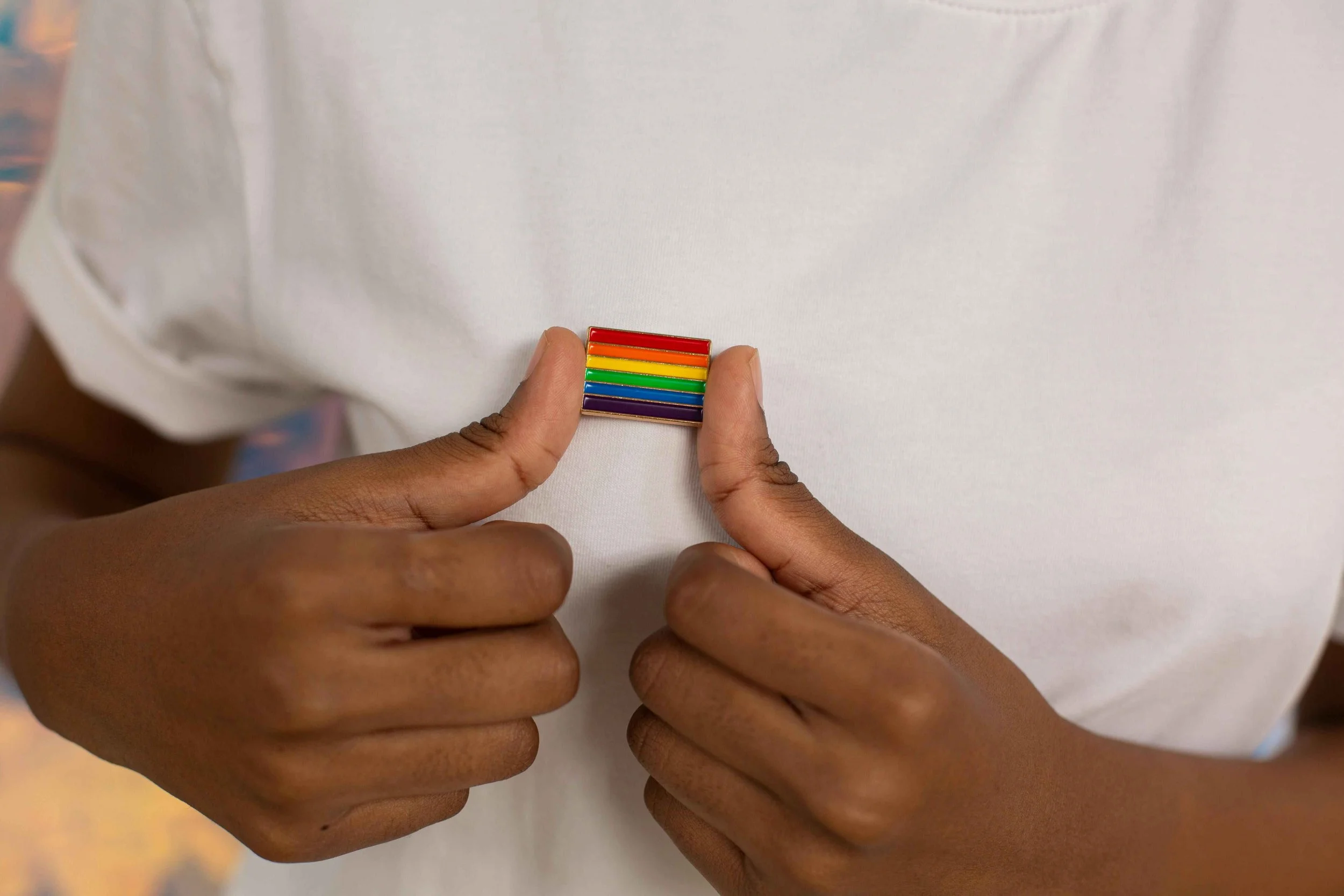
LGBTQIA+ Counselor for Asexuality in Weehawken
Finding an LGBTQIA+ counselor who understands asexuality can be a meaningful step toward self-acceptance and emotional well-being, especially in a place like Weehawken, where culturally competent, identity-affirming mental health care may feel hard to find. Asexuality is still widely misunderstood, even within healthcare settings, and many ace-spectrum individuals hesitate to seek therapy out of fear of being invalidated or pathologized. Working with an affirming counselor can make all the difference.
An LGBTQIA+ counselor knowledgeable about asexuality understands that asexuality is a valid sexual orientation, not a disorder, trauma response, or something that needs to be “fixed.” Therapy in this context focuses on exploration, not correction. Whether you are questioning if you are asexual, identifying somewhere on the ace spectrum, or navigating relationships as an asexual person, an informed counselor provides a space where your experiences are respected and taken seriously.
For many asexual individuals in Weehawken and surrounding Hudson County areas, therapy may center on unpacking years of social pressure. Living in a sex-normative society can lead to feelings of isolation, self-doubt, or confusion particularly when family, partners, or peers do not understand what asexuality means. An LGBTQIA+ counselor can help you process these experiences, develop language for self-advocacy, and set boundaries that align with your needs and values. Read our blog “6 Ways to Set Boundaries and Enforce Them.”
Counseling can also be beneficial for asexual people navigating romantic relationships, mixed-orientation partnerships, or questions around intimacy. A skilled therapist will not assume that sex is required for a “healthy” relationship. Instead, they help clients explore communication, consent, emotional closeness, and relationship structures that work for them. This is especially important for ace-spectrum individuals who may feel pressured to compromise their comfort to meet others’ expectations.
If you are questioning your identity, therapy can offer clarity without forcing labels. An LGBTQIA+ affirming counselor supports self-discovery at your own pace whether that leads you to identify as asexual, graysexual, demisexual, myrsexual, or simply undecided. The goal is not to arrive at a specific conclusion, but to build self-trust and confidence in how you understand yourself.
In Weehawken, many counselors offer both in-person and telehealth sessions, making specialized LGBTQIA+ care more accessible. When searching for a therapist, look for language that explicitly mentions asexuality, ace-spectrum identities, or sexual orientation diversity. You deserve a provider who is informed, affirming, and willing to listen without assumptions.
Working with an LGBTQIA+ counselor for asexuality is not about changing who you are, it is about supporting your mental health in a world that does not always make space for difference. With the right therapeutic support, asexual individuals can experience validation, empowerment, and a stronger sense of belonging right here in Weehawken.

Victoria Scala
is the Social Media Manager and Community Engagement Director at Anchor Therapy in Hoboken, New Jersey. She is a graduate of the Honors College of Rutgers University-Newark and is currently studying Clinical Mental Health Counseling at the graduate level.
IF YOU’RE LOOKING FOR HELP FROM A PROFESSIONAL COUNSELOR TO ASSIST YOU IN MAKING POSITIVE CHANGES IN YOUR LIFE, CONTACT US
WORKING WITH US IS EASY
Fill out the contact form below.
Our intake coordinator will get back to you with more information on how we can help and to schedule an appointment. We will set you up with an experienced licensed therapist who specializes in what you're seeking help with and who understands your needs.
You’ll rest easy tonight knowing you made the first step to improve your life.



Maybe you're the one who gets blamed no matter what actually happened, at home, at work, or even with friends. Something goes wrong, and somehow it lands on you. If that sounds familiar, there's a word for what's happening: scapegoat. A scapegoat is a person who's unfairly blamed for problems they didn't cause. Scapegoating shows up most in families, where it's often called being the family scapegoat.