

Most of us were never actually taught how to socialize- we were expected to pick it up through observation, trial and error, and a lot of quiet self-criticism. When social interactions feel hard, the message we often internalize is that something is wrong with us: that we are awkward, too sensitive, bad at conversation, or “just not a people person.” From a therapy perspective, that belief misses something important. Social skills are not personality traits you either have or do not have. Instead, they are learned, context-dependent skills shaped by nervous system responses, past experiences, culture, and safety.
At Anchor Therapy, our social anxiety therapists see how much shame people carry around social interactions that never came with a manual. Things like knowing when to speak up, how to set boundaries without guilt, or how to recover after an awkward moment are rarely modeled clearly, yet they are essential for feeling connected and secure with others. This blog post explores five core social skills many adults were never taught but absolutely can learn. Not to become more charismatic or extroverted, but to feel more grounded, authentic, and at ease in relationships!
Anchor Therapy is a counseling center in Hoboken, NJ with mental health therapists specialized in helping children, teens, adults, couples, and families with anxiety, depression, relationship issues, trauma, life transitions, and more. Anchor Therapy is accepting new clients and is now providing in-person sessions and teletherapy sessions to residents of New Jersey, New York, and Florida.
Why did I never learn social skills?
Many people assume that if they didn’t “pick up” social skills naturally, it must mean something is wrong with them. In reality, social skills are learned through consistent modeling, guidance, and emotional safety and not everyone grows up with access to those conditions. If caregivers were overwhelmed, emotionally unavailable, critical, or inconsistent, there may not have been space for curious back-and-forth conversations, repair after conflict, or gentle coaching around emotions. Without that foundation, social learning does not stop, it just becomes harder and often more self-conscious.
Another common reason is growing up in an environment where emotional expression was not welcomed or felt unsafe. If you learned early that speaking up led to conflict, embarrassment, punishment, or being ignored, your nervous system likely adapted by prioritizing protection over connection. Avoiding attention, staying quiet, people-pleasing, or overanalyzing social cues can all be intelligent survival strategies in those contexts. The problem is not that you failed to learn social skills, it is that your system learned what it needed to in order to stay safe at the time. For more information, read our blog “How to Know if You’re A People Pleaser and the Psychology Behind It.”
Neurodivergence, anxiety, or early mental health struggles can also shape how social skills develop. Conditions like Attention-Deficit/Hyperactivity Disorder (ADHD), autism, social anxiety, or trauma can affect how cues are processed, how quickly responses come to mind, or how intense social interactions feel internally. When these differences are not recognized or supported, people often receive criticism instead of guidance by being told to “try harder,” “be normal,” or “stop overthinking.” Over time, this can create shame that interferes with learning, practice, and confidence. View our blog “The Ultimate Guide to Building Self-Confidence.”
Finally, many social skills simply are not taught explicitly in our culture. We are often expected to know how to set boundaries, handle awkward moments, assert needs, or repair relationships without ever seeing those skills modeled in healthy ways. Our blog “The Truth Behind Why Boundaries Are Important For Maintaining Mental Health.”
Social learning does not end in childhood, though as it remains possible throughout adulthood, especially in environments that emphasize compassion, repetition, and safety. Understanding why you did not learn certain skills is not about placing blame, it is about releasing self-judgment and recognizing that learning can begin at any point.
What does a lack of social skills look like?
A lack of social skills often shows up less as obvious rudeness and more as internal discomfort paired with confusing interactions. Someone may replay conversations repeatedly, worry they said the wrong thing, or feel unsure how they came across. In the moment, this can look like going quiet, overexplaining, interrupting out of nervousness, or defaulting to polite scripts that do not quite fit the situation. The common thread is not a lack of care, it is uncertainty about what is expected and how to respond in real time.
It can also appear as difficulty starting, maintaining, or ending conversations. Initiating interaction may feel intrusive or risky, leading to waiting for others to make the first move. Once a conversation begins, the person might struggle with pacing either sharing very little or saying too much in an attempt to connect. Ending conversations can feel especially hard, resulting in lingering awkwardly or abruptly disappearing to escape the discomfort. These patterns are often driven by anxiety rather than a lack of interest in others. Read our blog “6 Helpful Tips for Living with Social Anxiety” for additional support.
Another sign is trouble with boundaries, both personal and interpersonal. Some people with underdeveloped social skills may say “yes” when they want to say “no”, tolerate discomfort to avoid conflict, or prioritize others’ needs at the expense of their own. Others may do the opposite- coming across as blunt, withdrawn, or distant because they have not learned how to express limits gently. In both cases, the issue is not intention but missing tools for clear, respectful communication. View our blog “6 Ways to Set Boundaries and Enforce Them.”
Emotional regulation plays a significant role as well. Social situations can feel overwhelming, leading to heightened sensitivity to tone, facial expressions, or perceived rejection. Read our blog “5 Ways to Overcome Your Fear of Rejection.”
Small interactions may trigger outsized emotional reactions such as shame, embarrassment, or irritability. When the nervous system is activated, access to social skills decreases which can create a cycle where social experiences feel increasingly exhausting or unsafe. Our blog “How to Regulate Your Emotions” is a must-read.
Over time, these challenges can impact relationships and self-perception. People may avoid social situations altogether, believe they are “bad with people,” or feel chronically disconnected despite wanting closeness. Research shows that roughly 7.1% of United States adults have a diagnosable social anxiety disorder. It is important to understand that what looks like a lack of social skills is often a sign of unmet learning, limited support, or past experiences that made connection feel unsafe. With awareness, practice, and compassionate guidance, social skills can be learned and strengthened at any stage of life.
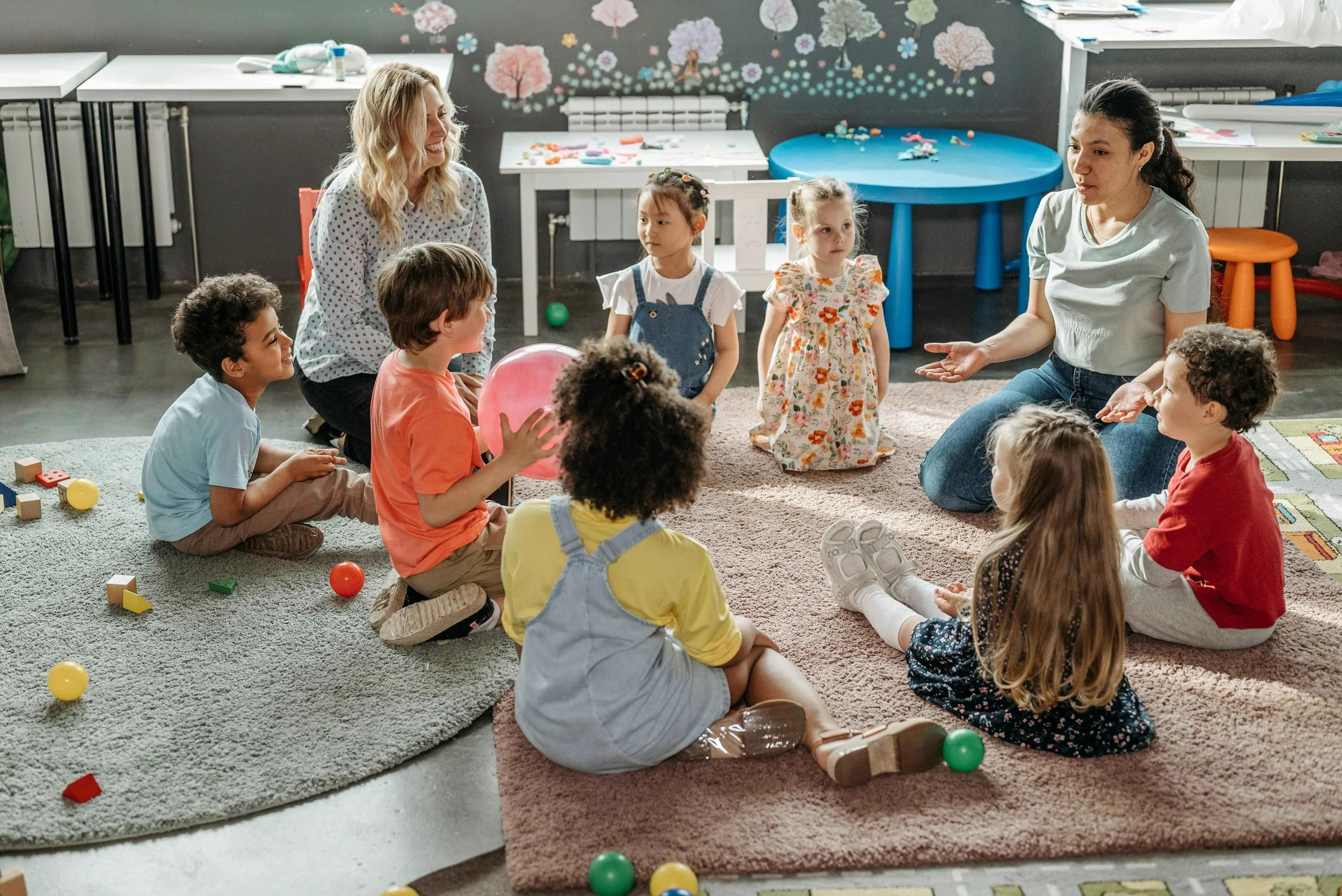
What are some examples of social-emotional skills?
Social-emotional skills are the abilities that help people navigate relationships, understand themselves, and respond effectively to others. They are essential for healthy socialization and mental well-being. One key area is emotional awareness, the ability to identify and understand your own emotions as well as those of others. This includes recognizing feelings like anger, sadness, or excitement in yourself, noticing subtle cues in someone else’s facial expressions or tone, and understanding how emotions influence behavior. For example, being able to notice that a friend is quietly frustrated allows you to respond with empathy rather than inadvertently escalating tension.
Signs of emotional awareness include:
Recognizing your own emotions
Naming emotions accurately
Noticing physical cues
Understanding triggers
Noticing patterns over time
Distinguishing between thoughts and feelings
Noticing other people’s emotions
Reflecting on emotions without judgment
Connecting emotions to needs
Adjusting behavior based on emotional insight
Another important set of skills is emotional regulation which involves managing your own responses in social situations. This includes calming yourself when anxious, delaying reactive responses, or expressing emotions in constructive ways. Someone with strong emotional regulation might feel annoyed in a meeting but take a deep breath and choose a thoughtful response rather than snapping. These skills are closely linked to stress management and help maintain healthy interactions even in challenging circumstances. View our blog “Everything You Need to Know About Stress Management Therapy.”
How can I regulate my emotions?
Pause and breathe
Name the emotion
Acknowledge without judgment
Practice grounding techniques
Shift your focus and/or perspective
Take a break or step back
Engage in physical activity (Read our blog “5 Ways Exercise Benefits Your Mental Health”)
Use self-soothing tactics
Practice cognitive strategies (e.g., challenging unhelpful thoughts)
Reach out for support (View our blog “How to Find the Best Therapist Near Me”)
Set boundaries
Use problem-solving
Social awareness and empathy are also core social-emotional skills. Social awareness is the ability to perceive social cues, understand group dynamics, and recognize unspoken rules or cultural norms. Empathy goes a step further, allowing you to feel or imagine what another person is experiencing. For example, noticing that a coworker seems overwhelmed and offering support demonstrates both awareness and empathy. These skills foster connection, reduce conflict, and create a sense of safety in relationships.
Finally, relationship and communication skills are crucial for applying social-emotional intelligence in real-life interactions. This includes active listening, assertive communication, conflict resolution, and teamwork. For instance, being able to express your needs clearly without dismissing others’ perspectives or knowing how to repair a misunderstanding are practical applications of these skills. Together, social-emotional skills allow people to build trust, maintain positive connections, and navigate the complexities of human interaction with confidence and compassion.

The Top 5 Social Skills You Need to Know
Social skills are not just about being charming or extroverted, they are essential tools for building meaningful relationships, navigating daily interactions, and maintaining mental health. Yet, many of us were never formally taught these skills, leaving us to figure them out through trial and error. The good news is that social skills are learnable. By focusing on a few core abilities, anyone can feel more confident, connected, and capable in social situations.
Here are the top five social skills everyone should know…
1. Active Listening
Active listening is more than just hearing words, it is about truly understanding what someone is communicating, both verbally and nonverbally. This means maintaining eye contact, nodding or giving small verbal cues, and asking clarifying questions. When people feel genuinely heard, it builds trust and encourages deeper, more authentic conversations. Practicing active listening also helps you respond thoughtfully rather than reacting impulsively.
2. Empathy
Empathy is the ability to sense and understand another person’s feelings. It does not mean you have to solve their problems, it is about validating their experience and showing compassion. Simple gestures like reflecting back what someone says (“It sounds like you are feeling frustrated”) or offering support without judgment can strengthen bonds and reduce conflict. Empathy allows relationships to feel safe and supportive for everyone involved.
3. Clear Communication
Clear communication involves expressing your thoughts, feelings, and needs in a respectful and understandable way. This includes using “I” statements, being specific rather than vague, and matching your tone to the message. For example, saying “I feel overwhelmed when deadlines pile up” is more effective than “You never help me.” Clear communication prevents misunderstandings, reduces tension, and ensures that your voice is heard without creating defensiveness in others.
4. Boundary Setting
Healthy boundaries are essential for maintaining balance and respect in relationships. This skill involves recognizing your limits and expressing them assertively whether it is saying no to extra work, declining social invitations, or asking for personal space. Boundaries are not selfish, they are necessary for preventing burnout, resentment, and anxiety. When set thoughtfully, boundaries help both parties feel safe and respected.
5. Conflict Resolution
Conflict is inevitable, but handling it skillfully can strengthen relationships rather than damage them. Conflict resolution includes staying calm, listening to the other person’s perspective, expressing your own needs clearly, and seeking mutually acceptable solutions. Learning to manage disagreements without aggression or withdrawal improves trust, reduces tension, and promotes long-term harmony in personal and professional relationships.
Social skills are not innate- they are tools that can be developed and refined over time. By practicing active listening, empathy, clear communication, boundary setting, and conflict resolution, you can navigate social situations with more confidence, connection, and ease. These five skills do not just improve relationships, but they also support emotional well-being and create a foundation for healthier, more fulfilling interactions in every area of life.
Mastering social skills is a journey, not a destination. It is normal to feel awkward or make mistakes along the way as what matters is practice, self-compassion, and a willingness to learn. By focusing on these core skills, you can navigate conversations more confidently, build stronger connections, and handle challenges with greater ease. Remember, social skills aren’t about being perfect, they are about creating understanding and connection.

Victoria Scala
is the Social Media Manager and Community Engagement Director at Anchor Therapy in Hoboken, New Jersey. She is a graduate of the Honors College of Rutgers University-Newark and is currently studying Clinical Mental Health Counseling at the graduate level.
IF YOU’RE LOOKING FOR HELP FROM A PROFESSIONAL COUNSELOR TO ASSIST YOU IN MAKING POSITIVE CHANGES IN YOUR LIFE, CONTACT US
WORKING WITH US IS EASY
Fill out the contact form below.
Our intake coordinator will get back to you with more information on how we can help and to schedule an appointment. We will set you up with an experienced licensed therapist who specializes in what you're seeking help with and who understands your needs.
You’ll rest easy tonight knowing you made the first step to improve your life.



Maybe you're the one who gets blamed no matter what actually happened, at home, at work, or even with friends. Something goes wrong, and somehow it lands on you. If that sounds familiar, there's a word for what's happening: scapegoat. A scapegoat is a person who's unfairly blamed for problems they didn't cause. Scapegoating shows up most in families, where it's often called being the family scapegoat.