

You've probably heard the shorthand before: the oldest is bossy, the middle child is forgotten, and the baby of the family gets away with everything. Birth order theory is the idea that where you land among your siblings, firstborn, middle, youngest, or only child, leaves a lasting mark on your personality, your relationships, and even who you're drawn to date. It's one of the most widely repeated ideas in pop psychology, and it's compelling because most of us can point to a sibling or two who seem to fit the mold.
But how much of it actually holds up? This blog breaks down where birth order theory came from, what the traits associated with each position tend to look like, and what current research says about whether any of it is true. We'll also get into the birth order dating theory, the idea that your sibling position shapes what you look for in a partner, and where half-siblings and gender fit into the picture.
Anchor Therapy is a counseling center in Hoboken, NJ with mental health therapists specialized in helping children, teens, adults, couples, and families with anxiety, depression, relationship issues, trauma, life transitions, and more. Anchor Therapy is accepting new clients and is now providing in-person sessions and teletherapy sessions to residents of New Jersey, New York, and Florida.
What Is Birth Order Theory?
Birth order theory holds that where you fall among your siblings, firstborn, middle, youngest, or only child, shapes core parts of your personality, including how you handle responsibility, conflict, and closeness in relationships. Psychologist Alfred Adler introduced the idea in the early 1900s, and it remains one of the most debated ideas in psychology today.
Adler was an Austrian physician and one of the founding figures of modern psychology, best known for his work on feelings of inferiority and the drive toward mastery. He believed a child's position in the family comes with its own built-in pressures, and that those pressures shape how a child learns to see themselves and relate to other people. In his view, firstborns are handed responsibility they didn't ask for, middle children learn to negotiate for space, and youngest children figure out how to stand out in a family where every role already seems taken.
Adler's framework was built on clinical observation, not controlled research. Today’s studies have had a hard time replicating his ideas in a consistent way. A large 2015 study out of the University of Leipzig, published in Proceedings of the National Academy of Sciences, tracked thousands of siblings and found that birth order does predict small differences in intelligence, firstborns average slightly higher, but it does not reliably predict differences in the ‘Big Five’ personality traits like extraversion or emotional stability.
A more recent 2025 study in the same journal, using a different personality model, found some sibship-size effects on traits like agreeableness, but the overall picture researchers keep landing on is that birth order's effect on personality is real but much smaller and more inconsistent than the popular version of the theory suggests.
At Anchor Therapy, we tend to hold both of those truths at once. In our clinical experience, birth order rarely explains someone's whole personality, but the role a client played growing up (the one who kept the peace, the one who had to grow up fast, the one who got lost in the shuffle) often shows up in how they handle conflict or closeness as adults. The value of birth order theory isn't that it predicts who you are. It's that it gives people language for a dynamic they've always sensed but never had words for.
What Are the Key Personality Traits of Firstborn Children?
Perfectionistic
Achievement-oriented
Responsible and reliable
Comfortable taking charge
Sensitive to change
Cautious about risk
Conscientious and organized
Adler believed firstborns carry an early sense of responsibility because, for a while, they were the only child getting their parents' full attention. Once a younger sibling arrives, many firstborns describe a kind of demotion, and Adler thought that early experience of losing the spotlight helps explain why firstborns often grow into adults who want to stay in control. If that pull toward control feels familiar, our post “7 Ways to Let Go of Control Issues” is a good next read.
What Are the Key Personality Traits of Middle Children?
Adaptable and flexible
Independent and resourceful
Prone to feeling overlooked
Diplomatic and good at mediating
Socially oriented
More likely to push back against family expectations
Competitive
Often drawn to creative outlets
Adler considered middle children the most likely to feel squeezed out, not the one who got the family's first full attention, not the one who gets to be the baby. That in-between position is often what pushes middle children to build strong social skills and a talent for negotiation outside the home since it's where they can carve out an identity that's entirely their own.
What Are the Key Personality Traits of Youngest Children?
Charming and fun-loving
Comfortable seeking attention
Used to being looked after
Free-spirited
Creative and imaginative
Outgoing
Confident and assertive
More likely to take risks
Youngest children grow up with a family system that's already established, parents who've relaxed a little, and older siblings who've already tested the boundaries. Adler thought this often produces charm and creativity, along with a tendency to lean on others rather than take the lead, though plenty of youngest children develop strong leadership skills once they find a niche that's theirs alone.
What Are the Key Personality Traits of Only Children?
Mature for their age
Creative and imaginative
Highly independent
Confident and self-assured
Perfectionistic
Sensitive to criticism
Socially skilled
Deeply invested in close relationships
Only children never had to compete with a sibling for attention which tends to produce the same self-confidence you see in firstborns, without the dethronement Adler described. What only children sometimes have to work harder at is sharing the spotlight and negotiating compromise, simply because they didn't get years of daily practice doing it with a sibling.
Adler's theory has been criticized for decades for lacking hard empirical support, and the research above shows why that criticism holds up. Even so, it remains one of the most useful lenses we have for talking about how family roles shape the way people move through the world.
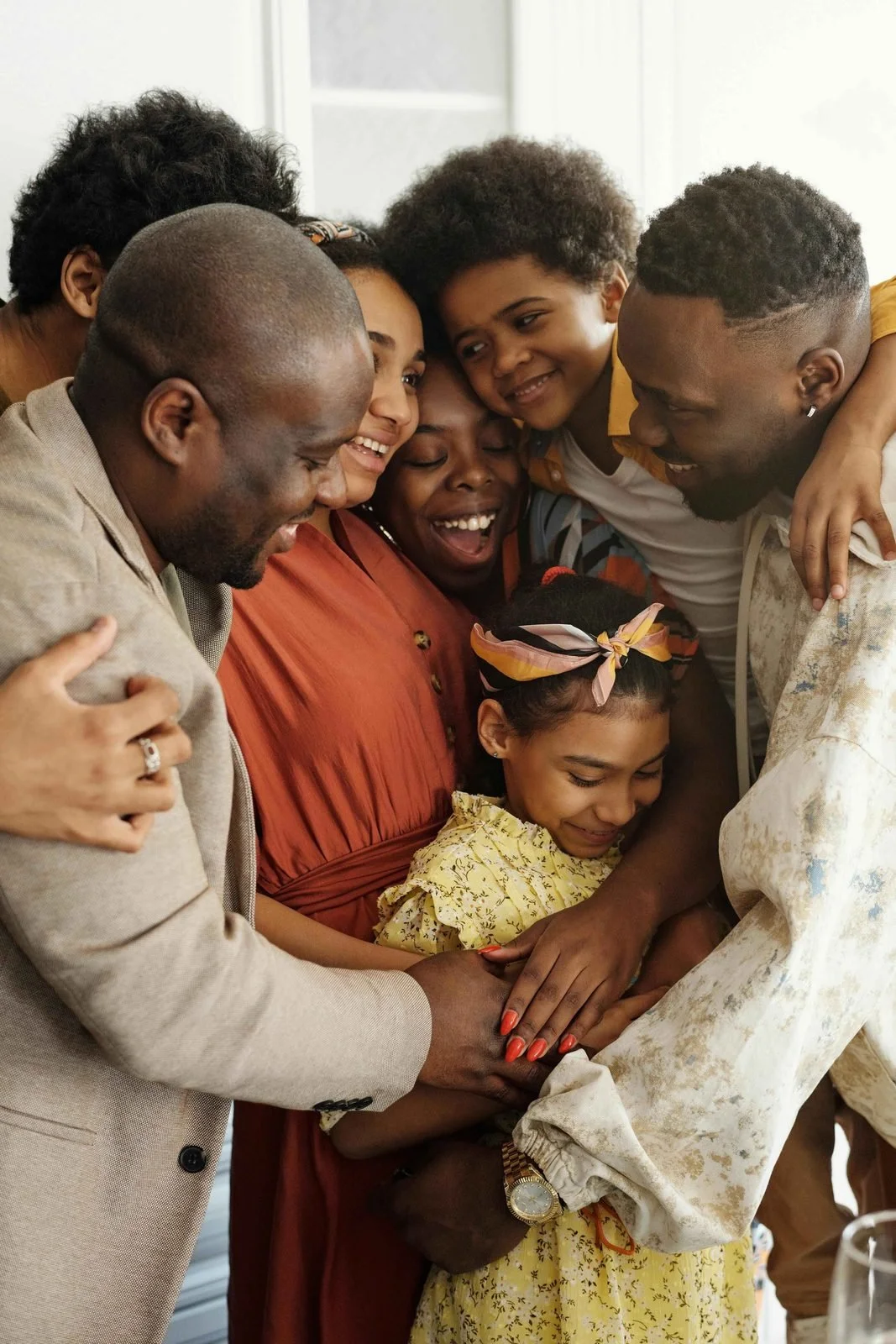
Do Half-Siblings Count in Birth Order?
Half-siblings complicate birth order in a way full siblings usually don't, and the answer depends more on family dynamics than on biology. Traditionally, birth order theory counts a child's position based on when they were born relative to every sibling they were raised with, whether or not that sibling shares both parents.
If a child has an older half-sibling from a parent's earlier relationship, they may still think of themselves as the oldest within their own household, especially if they didn't grow up under the same roof as that half-sibling. But if a younger half-sibling comes along later, through the same parent and a new partner, the original child often keeps identifying as the oldest, since that's the role they've actually lived.
What matters more than the technical birth order is how close the relationship is. Some children experience half-siblings as full siblings emotionally, sharing a bedroom, a school, and daily life together. Others see a half-sibling they only visit occasionally as more of a distant relative than a rival for their place in the family.
Because of that variation, half-sibling birth order can't be reduced to a simple rule. The household a child is actually raised in, and the relationships they build day to day, tend to shape their sense of birth order more than a strict count of who was born first. If sibling roles like this feel tangled in your own family, our family counseling team works with these dynamics regularly. And if a sibling relationship has gone quiet or cut off entirely, our post on adult sibling estrangement is a good companion read.
How Does Gender Interact With Birth Order?
Gender isn't a core part of Adler's original theory, but it often shapes how birth order roles actually play out inside a family. The traits associated with each position aren't fixed; they get filtered through the expectations parents and cultures attach to being a boy or a girl.
Parenting Styles and Expectations
Families sometimes hold different expectations for children depending on their gender, and that shapes how birth order roles unfold. A firstborn daughter, for example, may be steered toward caregiving for younger siblings, while a firstborn son may be pushed more toward leadership. Those different expectations shape how each child ends up living out their birth order role.
Sibling Rivalry and Relationships
The mix of genders among siblings can change how rivalry and closeness play out. A firstborn boy might be encouraged to assert authority more directly, while a firstborn girl might be steered toward a nurturing role, depending on the family's culture and expectations. Same-gender sibling pairs and mixed-gender sibling pairs often develop noticeably different dynamics as a result.
Role Expectations Based on Gender
Middle and youngest children can experience gendered expectations too, particularly around education, career paths, or how much independence they're given. A youngest daughter might be given more latitude to be nurturing and expressive while a youngest son might be pushed toward independence and risk-taking, depending on the household.
Impact on Personality Development
Because of these layered expectations, the psychological effects of being firstborn, middle, or youngest can look different depending on gender. A firstborn girl raised with strong caregiving expectations may develop a different flavor of responsibility than a firstborn boy raised to lead. The underlying birth order dynamic is similar, but gender often shapes its specific expression.
Cultural Influences
Culture adds another layer. In some households, there's more pressure on sons around academic achievement or on daughters around household responsibility, and that pressure interacts with birth order to shape each child's development in different ways.
Gender was never central to Adler's original theory, but it clearly interacts with birth order in families today. How pronounced that interaction is depends a lot on the specific family and culture a child grows up in.

What Is the Birth Order Dating Theory?
The birth order dating theory is the idea that the traits associated with your sibling position, whether you're a firstborn, middle child, youngest, or only child, carry over into how you date and who you're drawn to. It builds directly on Adler's original framework, applying the same traits to romantic attraction and relationship habits instead of just general personality. If dating patterns like this keep showing up for you, relationship counseling can help you look at where they come from.
Firstborns in Dating
Firstborns tend to bring the same responsibility and drive for stability into relationships that shows up everywhere else in their lives. They often look for a partner who shares their sense of reliability and can keep up with their ambitions. Many firstborns naturally settle into more of a guiding role in a relationship, a habit built from years of looking out for younger siblings.
Middle Children in Dating
Middle children tend to bring their diplomatic streak into relationships, prioritizing fairness and open communication. They're often drawn to partners who are emotionally aware and easy to compromise with. Because middle children spent years mediating between siblings, they usually want a partner who values that same skill instead of one who creates unnecessary conflict.
Youngest Children in Dating
Youngest children often bring a playful, spontaneous energy to dating, along with a genuine appreciation for a partner who provides some grounding. They tend to want relationships that make room for their creativity and independence rather than boxing them in. A partner who's a little more steady can be a good complement to that free-spirited streak.
Only Children in Dating
Only children are used to undivided attention, and that shapes what they look for in a partner: closeness, loyalty, and real depth of connection. They tend to bring strong self-sufficiency into relationships though compromise can take more conscious effort since they didn't grow up sharing resources or attention with a sibling.
How Birth Order Shapes Relationship Dynamics
Complementary pairings: People sometimes gravitate toward partners with a different birth order than their own, a firstborn paired with a more easygoing youngest, for instance, since the traits can balance each other out.
Conflict resolution styles: Firstborns may approach disagreements head-on, while middle children often default to keeping the peace, patterns that trace directly back to their family role.
Parenting approaches: In long-term relationships, partners with different birth order backgrounds sometimes clash over parenting philosophy, simply because they were raised to expect different things from a family structure.
Critics of the dating theory make a fair point: birth order is one variable among many, and upbringing, culture, and individual experience usually carry more weight than sibling position alone. Still, it's a useful lens for understanding some of the patterns that show up in how people connect.
Birth Order Theory Isn't the Whole Story, But It's a Useful Starting Point
Birth order theory can't predict who you'll become or who you'll fall for, and the research is clear that its effect on personality is much smaller than the popular version of the idea suggests. What it does offer is a starting point for understanding a role you may have played for years without ever naming it.
If you're noticing old family patterns showing up in how you handle conflict, responsibility, or closeness in your adult relationships, that's exactly the kind of thing therapy can help you work through.
Our team at Anchor Therapy works with individuals, couples, and families in person in Hoboken, NJ, and virtually for residents of New Jersey, New York, and Florida. You can reach out by filling out the form below to get started, and our Meet Our Team page has more on the therapists who can help.

Victoria Scala
is the Social Media Manager, Intake Coordinator, and Community Engagement Director at Anchor Therapy in Hoboken, New Jersey. She is a graduate of the Honors College of Rutgers University-Newark and is currently studying Clinical Mental Health Counseling at the graduate level. In her roles, Victoria is committed to managing the office’s social media/community presence and prioritizing clients' needs.
IF YOU’RE LOOKING FOR HELP FROM A PROFESSIONAL COUNSELOR TO ASSIST YOU IN MAKING POSITIVE CHANGES IN YOUR LIFE, CONTACT US
WORKING WITH US IS EASY
Fill out the contact form below.
Our intake coordinator will get back to you with more information on how we can help and to schedule an appointment. We will set you up with an experienced licensed therapist who specializes in what you're seeking help with and who understands your needs.
You’ll rest easy tonight knowing you made the first step to improve your life.



Maybe you're the one who gets blamed no matter what actually happened, at home, at work, or even with friends. Something goes wrong, and somehow it lands on you. If that sounds familiar, there's a word for what's happening: scapegoat. A scapegoat is a person who's unfairly blamed for problems they didn't cause. Scapegoating shows up most in families, where it's often called being the family scapegoat.