
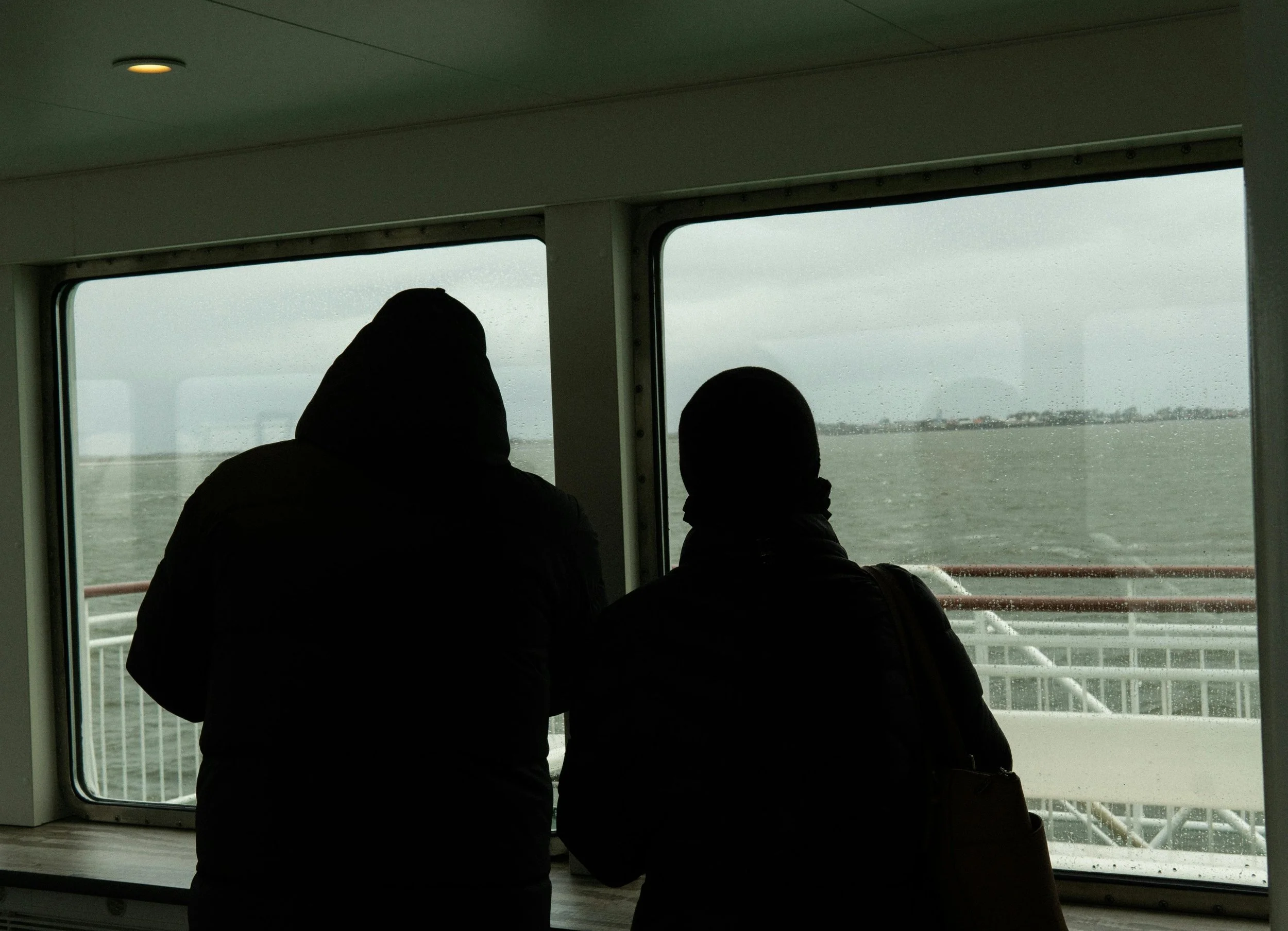
Traveling is an exciting way to explore new cultures, meet people, and create unforgettable memories but, for those with claustrophobia, even the thought of crowded airports, cramped airplane seats, or tight hotel rooms can turn a dream trip into a stressful experience. Planning ahead is key to minimizing anxiety and ensuring that your journey feels safe and enjoyable rather than overwhelming. With the right strategies, it is possible to design a travel experience that accommodates your comfort needs without missing out on adventure!
From choosing destinations that feel spacious and open to selecting accommodations and transportation that prioritize personal space, careful planning can make a world of difference. This guide will walk you through practical tips and considerations for every stage of your trip, from booking flights and packing smartly to navigating crowded tourist spots, so that claustrophobia does not stand in the way of your desire to travel. By approaching travel thoughtfully, you can transform potential stressors into manageable steps and truly enjoy the journey ahead.
Anchor Therapy is a counseling center in Hoboken, NJ with mental health therapists specialized in helping children, teens, adults, couples, and families with anxiety, depression, relationship issues, trauma, life transitions, and more. Anchor Therapy is accepting new clients and is now providing in-person sessions and teletherapy sessions to residents of New Jersey, New York, and Florida.
Traveling without claustrophobia-related panic
Traveling is meant to be an exciting adventure but, for people with claustrophobia, even a short flight or a crowded train station can feel overwhelming. Claustrophobia is a type of anxiety disorder where confined or crowded spaces trigger intense fear, panic, or discomfort. It is not just a dislike of small spaces. Physiologically, the body can respond with a racing heart, sweating, dizziness, or a sense of impending doom. Understanding claustrophobia and how it manifests is the first step in planning trips that are both enjoyable and manageable.
Claustrophobia often develops from past experiences, learned behavior, or heightened sensitivity to stress. Common triggers include elevators, small airplane cabins, subways, or even crowded tourist sites. For travelers, these situations are almost unavoidable which can make spontaneous trips stressful. However, with thoughtful preparation and awareness, it is possible to reduce triggers and regain a sense of control while exploring new places. View our blog “What is Claustrophobia Caused By?”.
Common signs of claustrophobia include:
Feeling intense fear or panic in confined or crowded spaces
Rapid heartbeat or palpitations
Shortness of breath or hyperventilation
Sweating or trembling
Dizziness, lightheadedness, or fainting
Nausea or upset stomach
Feeling a sense of losing control or impending doom
Avoidance of elevators, small rooms, tunnels, or crowded places
Feeling trapped or unable to escape
Anxiety or panic that interferes with daily activities or travel plans
Check out our blog “Understand Your Brain’s Response to Claustrophobia” to learn more.
Choosing destinations thoughtfully can make a world of difference. Open, outdoor-focused locations, less crowded cities, or sites that naturally allow for more personal space can help minimize anxiety. Traveling during off-peak hours or seasons also reduces exposure to crowded airports, trains, and attractions. By planning with these factors in mind, travelers can enjoy a more peaceful and confident experience from the start.
Accommodations play an equally important role in creating a sense of calm. Rooms with windows, balconies, or open layouts can feel more spacious and less confining. Properties with fewer floors or accessible stairways may be preferable for those who find elevators triggering. Asking hotels or rental hosts about room layouts and amenities ahead of time helps you anticipate your environment which in turn reduces uncertainty and stress.
Transportation choices also require careful consideration. Selecting seats with extra legroom, aisle access, or near exits can make long flights, buses, or train rides more comfortable. Direct travel routes or driving instead of flying can also reduce time spent in confined spaces. Knowing the layout of airports, stations, or stops and identifying areas where you can stretch or step away provides reassurance and a sense of control. Read our blog “Why Do I Have Control Issues?”.
Small preparations and coping tools can make anxiety more manageable on the go. Carrying headphones, calming music, stress-relief items, or using meditation and breathing apps can help maintain composure when panic starts to rise. Practicing mindfulness or grounding exercises before and during travel strengthens resilience and can help interrupt anxiety before it escalates. With careful planning, awareness, and self-care, traveling with claustrophobia becomes not only possible but empowering!
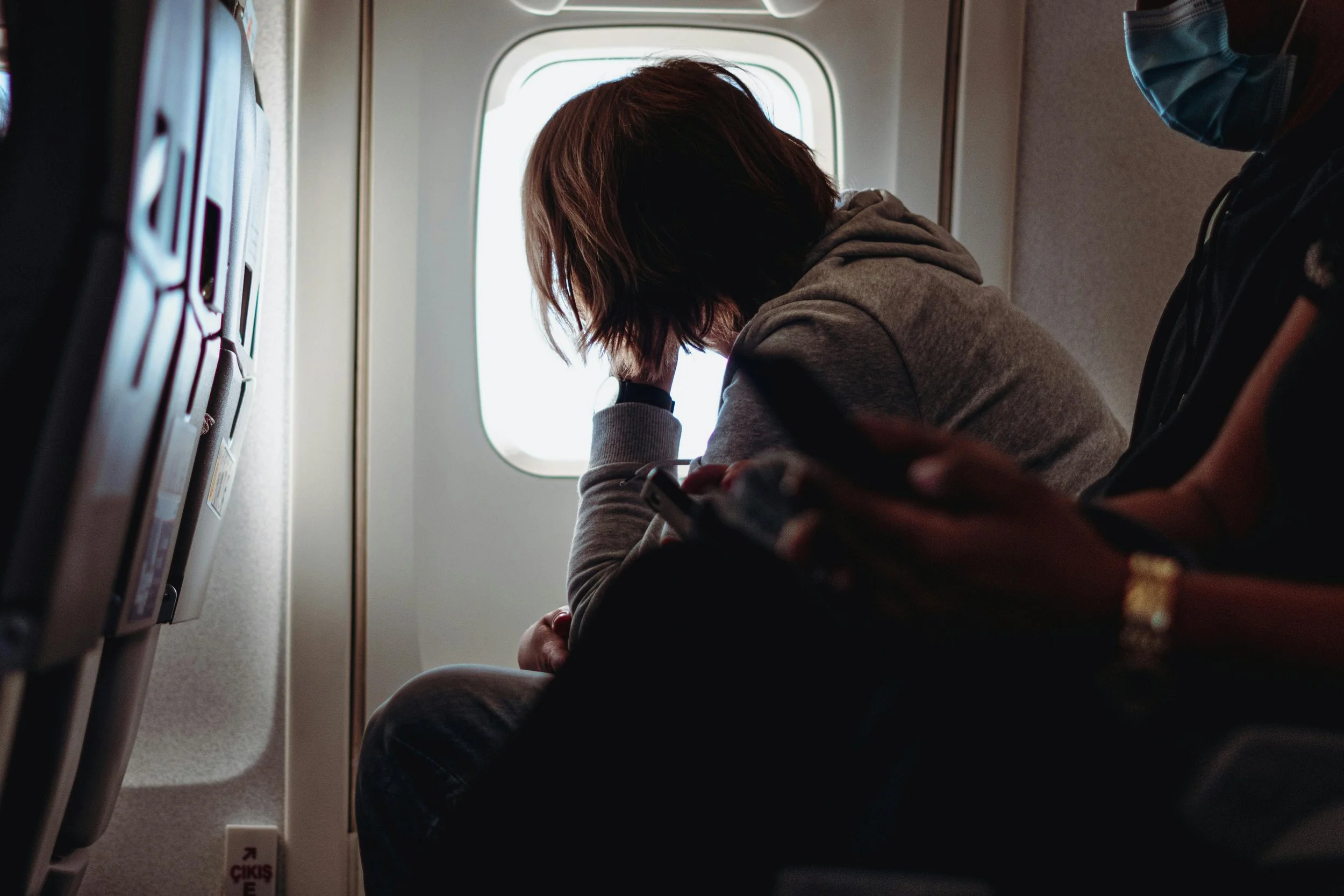
Packing essentials to keep anxiety at bay
Traveling with claustrophobia can feel overwhelming, but having the right items in your bag can make a huge difference. Packing thoughtfully means preparing not just for the trip itself but also for moments when anxiety might spike. By bringing items specifically designed to calm the mind and body, you can create a sense of control and reassurance, even in confined or crowded spaces.
One of the most effective tools is something to occupy your senses and focus your attention. Noise-canceling headphones or earbuds paired with calming music, guided meditations, or audiobooks can help you tune out overwhelming environments. Many travelers also find comfort in soft scarves, stress balls, or fidget tools which provide a tactile outlet for nervous energy. These small, portable items can give you a sense of grounding when you feel panic rising.
Breathing aids and mindfulness tools are another essential part of your travel kit. Items such as a small pocket journal for jotting down thoughts, a travel-sized aromatherapy spray, or even a simple reminder card with breathing exercises can help you manage anxiety in real time. Practicing slow, controlled breaths or following a grounding exercise while en route can prevent panic from escalating and keep your mind focused on the present moment rather than feared scenarios.
Practical comforts also reduce stress. Carrying a refillable water bottle, snacks, and medications ensures that basic needs do not become triggers for anxiety. Having your travel documents, tickets, and itinerary organized in an easily accessible pouch or folder helps avoid last-minute stress or frantic searching which can exacerbate claustrophobic feelings. Even small items like a comfortable travel pillow or eye mask can create a little personal space in tight environments, like planes or buses.
Finally, technology can be an invaluable ally! Apps for meditation, guided breathing, or anxiety tracking give you tools at your fingertips to manage panic wherever you are. Offline downloads are particularly helpful for flights or areas with limited Internet access. Combining these mental health tools with sensory comforts, practical necessities, and organization ensures you are well-prepared to keep anxiety at bay and enjoy your travels with greater peace of mind.
Our blog “Is There A Way to Overcome Claustrophobia?” is a must-read.
Creating a safety plan for unexpected anxiety while traveling
Traveling with claustrophobia means that no matter how well you prepare, unexpected anxiety can still arise. Having a safety plan in place gives you a roadmap to navigate these moments with confidence rather than panic. A thoughtful plan not only reduces the intensity of anxiety but also helps you feel empowered, knowing that you have strategies ready when triggers appear.
The first step in creating a safety plan is to identify your personal triggers. Confined spaces like airplane cabins, elevators, or crowded buses are common, but triggers can also include long lines, dark tunnels, or tight hotel rooms. By recognizing these ahead of time, you can plan ways to avoid or mitigate them, such as selecting aisle seats, choosing accommodations with more open layouts, or traveling during off-peak hours. Awareness is the foundation of any effective safety plan.
Next, outline practical coping strategies you can implement immediately when anxiety strikes. This might include deep breathing exercises, grounding techniques, or sensory tools like stress balls or calming scents. Having these strategies rehearsed before your trip makes it easier to use them instinctively, even in unexpected situations. You can also incorporate technology, such as meditation or anxiety-management apps, so help is always at your fingertips.
Another important part of your safety plan is knowing your escape options and safe spaces. Map out accessible exits, quiet areas, or open outdoor spaces in airports, train stations, or attractions. If traveling with companions, communicate in advance how you may need support or space, and establish signals or words to indicate when anxiety is building. This pre-communication ensures your needs are understood without embarrassment or delay.
Ways to communicate your needs while traveling if you struggle with claustrophobia:
Be upfront with travel companions about your claustrophobia and what triggers anxiety for you.
Use clear, simple language to explain your needs, such as requesting aisle seats, rooms with windows, or breaks in crowded areas.
Set boundaries early by letting companions know when you may need personal space or a moment to calm down. View our blog “6 Ways to Set Boundaries and Enforce Them.”
Ask airline, hotel, or tour staff in advance about accommodations that reduce confinement or stress.
Agree on signals or cues with companions to indicate rising anxiety without embarrassment.
Request flexibility in plans; such as leaving crowded areas early or adjusting schedules; to reduce triggers.
Express gratitude and reassurance when others accommodate your needs, reinforcing positive communication.
Use apps or devices to communicate quietly if needed (e.g., text companions during stressful moments).
Practice advocacy before the trip so you feel confident asking for what you need in advance!
Finally, plan for recovery and self-care after an anxiety episode. This could include taking a short walk, finding a quiet corner to rest, hydrating, or engaging in a calming activity. Read our blog “The 8 Forms of Self-Care and How You Can Practice Them.”
Reflecting on what triggered the episode and which coping strategies worked can strengthen your resilience for the rest of the trip. By creating a structured safety plan, you transform uncertainty into actionable steps, allowing you to travel more freely while knowing you have control over your mental well-being.

Working with an anxiety therapist for travel claustrophobia
Traveling with claustrophobia can be challenging, and sometimes self-help strategies alone are not enough. Working with an anxiety therapist at Anchor Therapy can provide specialized guidance and support to manage fear in confined or crowded spaces.
Therapists trained in anxiety disorders or phobias can help you identify your triggers, develop coping mechanisms, and gradually build confidence in situations that might otherwise provoke panic. Professional guidance ensures that your strategies are tailored to your specific needs, making travel feel more manageable and less overwhelming.
One of the most effective approaches therapists use for claustrophobia is exposure therapy which involves gradually facing feared situations in a controlled way. For travel, this might start with visualizing crowded airports or taking short trips in enclosed spaces and slowly working up to longer flights or train rides. Exposure therapy allows your brain to become accustomed to triggers over time, reducing the intensity of fear responses and teaching you that panic can be managed rather than avoided entirely.
Therapists also teach practical coping skills that can be used in real time while traveling. These might include guided breathing exercises, mindfulness techniques, grounding strategies, or cognitive-behavioral tools to challenge anxious thoughts. They can help you create a personalized “travel toolkit” for anxiety, ensuring you know exactly what to do when a confined space starts to feel overwhelming. This preparation gives you confidence and a sense of control during unpredictable moments.
In addition to structured therapy, working with a professional can provide emotional support and reassurance. Anxiety can feel isolating, especially when it impacts activities like travel, but a therapist can validate your experience and help you set realistic goals for trips. They can also guide you in communicating your needs to those you are traveling with, airlines, or accommodations.
Traveling with claustrophobia may require extra planning and thoughtful strategies, but it does not have to mean missing out on the experiences you love. By understanding your triggers, packing tools to manage anxiety, communicating your needs, and seeking professional support when necessary, you can regain a sense of control and confidence on the road. Each step you take helps transform travel from a source of stress into an opportunity for growth and adventure.
Remember, traveling with claustrophobia is about progress, not perfection. Each thoughtful choice, calming tool, and coping strategy builds confidence. With preparation and self-awareness, you can enjoy new experiences, embrace adventure, and make travel a fulfilling, anxiety-managed journey!

Victoria Scala
is the Social Media Manager and Community Engagement Director at Anchor Therapy in Hoboken, New Jersey. She is a graduate of the Honors College of Rutgers University-Newark and is currently studying Clinical Mental Health Counseling at the graduate level.
IF YOU’RE LOOKING FOR HELP FROM A PROFESSIONAL COUNSELOR TO ASSIST YOU IN MAKING POSITIVE CHANGES IN YOUR LIFE, CONTACT US
WORKING WITH US IS EASY
Fill out the contact form below.
Our intake coordinator will get back to you with more information on how we can help and to schedule an appointment. We will set you up with an experienced licensed therapist who specializes in what you're seeking help with and who understands your needs.
You’ll rest easy tonight knowing you made the first step to improve your life.



Maybe you're the one who gets blamed no matter what actually happened, at home, at work, or even with friends. Something goes wrong, and somehow it lands on you. If that sounds familiar, there's a word for what's happening: scapegoat. A scapegoat is a person who's unfairly blamed for problems they didn't cause. Scapegoating shows up most in families, where it's often called being the family scapegoat.