
Welcome
About
Meet Our Team
FAQs
Hoboken Therapy Office Tour
Who We Help
Child Counseling
Teen Counseling
Adult Counseling
Geriatric Counseling
Couples Counseling
Family Counseling
Groups
LGBTQIA+
Services
Addiction & Substance Abuse Counseling
Anxiety Counseling
Attention-Deficit/Hyperactivity Disorder (ADHD) Counseling
Career Counseling
Depression Counseling
Grief Counseling
Insomnia Treatment
Life Transitions
OCD Therapy
Postpartum Depression
Relationship Counseling
School Issues Counseling
Telehealth (FL, NJ, NY)
Trauma Counseling
Types Of Therapy
Acceptance and Commitment Therapy (ACT)
Attachment-Based Therapy
Cognitive Behavioral Therapy (CBT)
Exposure and Response Prevention (ERP) Therapy
Eye Movement Desensitization and Reprocessing (EMDR)
Gottman Method
Mindfulness-Based Cognitive Therapy (MBCT)
Play Therapy & Art Therapy
Psychodynamic Therapy
Rational Emotive Behavior Therapy (REBT)
Solution-Focused Brief Therapy (SFBT)
Blog
Employment
Psychotherapist Job
Remote Intake Coordinator Job
Contact

Anchor Therapy, LLC

Welcome
About
Meet Our Team
FAQs
Hoboken Therapy Office Tour
Who We Help
Child Counseling
Teen Counseling
Adult Counseling
Geriatric Counseling
Couples Counseling
Family Counseling
Groups
LGBTQIA+
Services
Addiction & Substance Abuse Counseling
Anxiety Counseling
Attention-Deficit/Hyperactivity Disorder (ADHD) Counseling
Career Counseling
Depression Counseling
Grief Counseling
Insomnia Treatment
Life Transitions
OCD Therapy
Postpartum Depression
Relationship Counseling
School Issues Counseling
Telehealth (FL, NJ, NY)
Trauma Counseling
Types Of Therapy
Acceptance and Commitment Therapy (ACT)
Attachment-Based Therapy
Cognitive Behavioral Therapy (CBT)
Exposure and Response Prevention (ERP) Therapy
Eye Movement Desensitization and Reprocessing (EMDR)
Gottman Method
Mindfulness-Based Cognitive Therapy (MBCT)
Play Therapy & Art Therapy
Psychodynamic Therapy
Rational Emotive Behavior Therapy (REBT)
Solution-Focused Brief Therapy (SFBT)
Blog
Employment
Psychotherapist Job
Remote Intake Coordinator Job
Contact
5 Relaxation Techniques for Insomnia You Need to Know
February 17, 2026
adult therapy, hudson county therapist, Sleep Anxiety, Sleep therapist, insomnia
Courtney Glashow
5 Relaxation Techniques for Insomnia You Need to Know
Courtney Glashow
February 17, 2026
adult therapy, hudson county therapist, Sleep Anxiety, Sleep therapist, insomnia

5 Relaxation Techniques for Insomnia You Need to Know

Courtney Glashow
February 17, 2026
adult therapy, hudson county therapist, Sleep Anxiety, Sleep therapist, insomnia

Staring at the ceiling at 2 a.m., watching the minutes crawl by, and wondering why sleep feels so impossible… If that sounds familiar, you are not alone. Insomnia has a sneaky way of showing up just when your body is begging for rest, leaving your mind racing and your energy drained the next day. While there is no one-size-fits-all fix, learning how to truly relax before bed can make a powerful difference in how easily you drift off.

That is where intentional relaxation comes in. The right techniques can help calm your nervous system, quiet mental noise, and signal to your body that it is finally safe to sleep. In this post, we will walk through five simple, effective relaxation techniques for insomnia that you can start using tonight. These include no complicated routines, no expensive tools, just practical ways to help you unwind and reclaim restful sleep.

Anchor Therapy is a counseling center in Hoboken, NJ with mental health therapists specialized in helping children, teens, adults, couples, and families with anxiety, depression, relationship issues, trauma, life transitions, and more. Anchor Therapy is accepting new clients and is now providing in-person sessions and teletherapy sessions to residents of New Jersey, New York, and Florida.

Contact Us

Why is it so hard to relax when I am exhausted?

It feels unfair, but exhaustion does not automatically lead to relaxation. When you are overtired, your body can slip into a state of stress rather than rest. Instead of powering down, research shows that your nervous system stays on high alert, releasing stress hormones like cortisol that keep your brain awake and your body tense, even when you desperately need sleep. 

Another reason it is so hard to relax when you are exhausted is mental overstimulation. Long days filled with screens, constant notifications, decision-making, and emotional stress do not end when your head hits the pillow. At night, when distractions finally fade, your mind often uses the quiet as an opportunity to replay conversations, worry about tomorrow, or obsess over not falling asleep which creates a loop that blocks relaxation.

Sleep pressure also plays a role. While being tired builds the body’s natural drive to sleep, pushing past healthy bedtime signals can backfire. Staying awake too long can trigger a “second wind” where adrenaline kicks in to keep you functioning. This survival response might help you get through the evening, but it makes relaxation feel nearly impossible when you finally lie down.

Physical tension is another hidden factor. Stress and fatigue cause muscles to tighten throughout the day, especially in the neck, shoulders, and jaw. When your body has not had a chance to release that tension, it sends signals of discomfort to the brain, making it harder to settle into a calm, sleep-ready state even if your eyes feel heavy.


Common signs of insomnia include:

  • Difficulty falling asleep despite feeling tired

  • Waking up frequently during the night

  • Trouble falling back asleep after waking

  • Waking up too early and not being able to return to sleep

  • Feeling unrefreshed after a full night in bed

  • Daytime fatigue or low energy

  • Difficulty concentrating or remembering things

  • Irritability, mood swings, or increased anxiety

  • Relying on naps, caffeine, or stimulants to get through the day

  • Worrying about sleep or dreading bedtime


Finally, the pressure to sleep itself can become a barrier to relaxation. When you are exhausted, sleep feels urgent, and that urgency creates anxiety. Worrying about how little rest you will get or how tired you will be tomorrow keeps your nervous system activated. Learning to gently let go of control, rather than forcing sleep, is often the first step toward truly relaxing and allowing rest to happen naturally. Check out our blog “3 Ways to Relieve Sleep Anxiety.”


How does relaxation actually improve sleep?

Relaxation improves sleep by calming the nervous system and shifting the body out of “fight-or-flight” mode and into a state that supports rest. When you are stressed or anxious, your body releases hormones like cortisol and adrenaline that keep your brain alert and your muscles tense. Relaxation techniques help lower these stress hormones, slow your heart rate, and reduce physical tension which creates the internal conditions your body needs to fall asleep.


What does your body need to be able to fall asleep?

  • A calm nervous system (low stress and reduced cortisol levels)

  • A quiet, settled mind with minimal racing thoughts

  • Physical relaxation, especially in the muscles and jaw

  • Consistent sleep signals from your circadian rhythm

  • Adequate sleep pressure built up from being awake during the day

  • A comfortable sleep environment (cool, dark, and quiet)

  • Balanced breathing and heart rate

  • A sense of safety and emotional ease

  • Reduced stimulation from screens, caffeine, or heavy meals

  • A relaxed attitude toward sleep without pressure or anxiety

Another way relaxation improves sleep is by quieting mental activity. Racing thoughts, worry, and overthinking are some of the biggest barriers to falling asleep. Practices like deep breathing, mindfulness, or guided imagery give your mind something gentle to focus on which reduces mental noise and prevents your thoughts from spiraling. As the mind settles, the body naturally follows. View the blog “How to Break the Cycle of Obsessive Thoughts.”

Relaxation also improves sleep by strengthening the body’s natural sleep signals. When you relax consistently before bed, you reinforce your circadian rhythm. The circadian rhythm is the internal clock that tells your body when it is time to sleep and wake. Over time, your brain begins to associate certain calming behaviors with bedtime, making it easier to feel sleepy at the same time each night and fall asleep more quickly.

Physical relaxation plays a key role as well. Stress causes muscles to remain subtly contracted throughout the day even when you are not aware of it. Techniques such as progressive muscle relaxation or slow stretching help release that built-up tension. When the body feels physically comfortable and at ease, it sends signals to the brain that it is safe to rest, reducing nighttime restlessness and tossing and turning.

Finally, relaxation helps remove the pressure around sleep. Insomnia often creates a cycle of anxiety where worrying about sleep makes sleep even harder to achieve. Relaxation techniques shift the goal from “trying to sleep” to simply resting and unwinding. This mindset reduces performance anxiety around bedtime, allowing sleep to occur naturally rather than being forced.

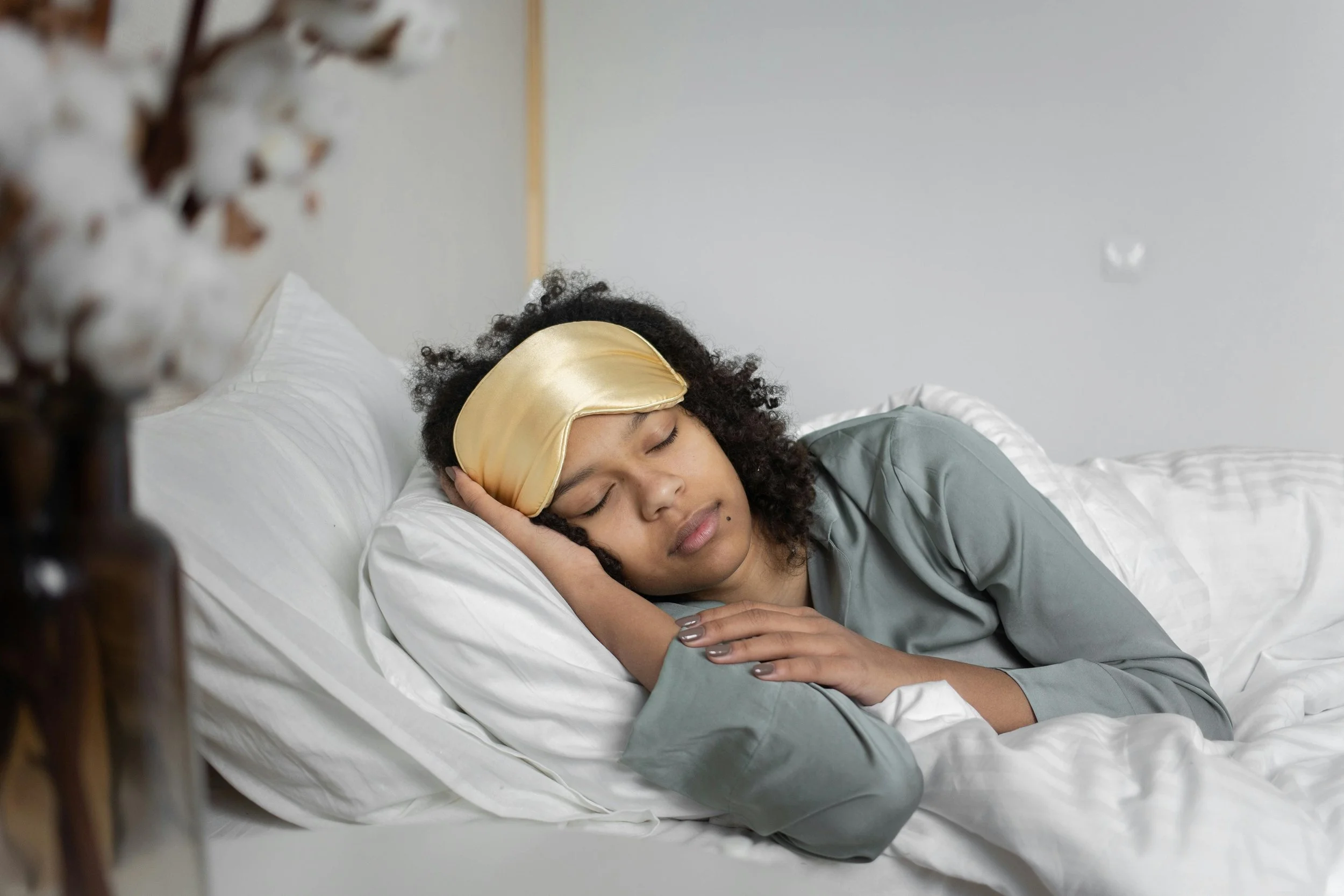
Woman struggling with sleep issues in Hoboken, NJ and seeing insomnia specialist

5 relaxation techniques for chronic insomnia

Chronic insomnia can feel like a relentless cycle. You spend your nights tossing and turning, mornings groggy, and days filled with fatigue and frustration. While there is no overnight cure, incorporating intentional relaxation techniques can make a significant difference. By calming the mind, releasing physical tension, and signaling to your body that it is safe to rest, these methods can help you reclaim deeper, more restorative sleep. Here are five effective relaxation techniques you can start using tonight!

1. Deep Breathing Exercises

Focused breathing helps slow the heart rate and activate the body’s parasympathetic nervous system which is responsible for rest and digestion. Techniques like the 4-7-8 method or simple diaphragmatic breathing can reduce stress hormones and quiet a racing mind. Practicing deep breathing for just a few minutes before bed can create a strong signal to your brain that it is time to wind down.

To learn more about this technique, read our blog “5 Breathwork Techniques to Decrease Anxiety.”

2. Progressive Muscle Relaxation (PMR)

PMR involves tensing and then relaxing different muscle groups, usually starting from the toes and moving up to the head. This technique helps release tension that builds up throughout the day, reducing physical discomfort that can interfere with sleep. By focusing on each muscle group, you also encourage mindfulness, keeping your attention away from stressful thoughts. View our blog “5 Ways to Start Practicing Mindfulness.”

3. Guided Imagery or Visualization

Using mental imagery to picture calming, peaceful scenes; like a beach, forest, or quiet meadow; can distract the mind from worries and create a sense of safety. Guided audio recordings can be particularly effective for those who struggle to visualize on their own. This technique not only reduces anxiety but also helps your body relax into a sleep-ready state.

4. Mindfulness Meditation

Mindfulness meditation encourages present-moment awareness, teaching you to observe thoughts without judgment. This reduces rumination and nighttime anxiety which are common triggers of insomnia. Even five to ten minutes of mindful breathing or body scans before bed can lower cortisol levels and prepare both mind and body for sleep. 

To learn more about meditation, read our blog “How Meditation Can Lead to Stress Reduction.”

5. Gentle Yoga or Stretching

Slow, restorative yoga or light stretching before bed relaxes muscles, improves circulation, and reduces tension. Poses such as forward bends, legs-up-the-wall, or child’s pose can calm the nervous system and create a sense of groundedness. Combining gentle movement with deep breathing boosts the overall relaxation effect.

Check out our blog “The Mental Health Benefits of Practicing Yoga.”

Chronic insomnia can feel overwhelming, but incorporating even one of these relaxation techniques into your nightly routine can gradually improve your ability to fall and stay asleep. Consistency is key. Make relaxation a regular part of your evening to signal to your body that bedtime is a time for rest, not stress. Over time, these practices can help break the cycle of sleepless nights and restore the restorative sleep your body and mind need.

View our blog “Unlocking the Secrets of Quality Sleep: A Therapist’s Perspective on Sleep Hygiene and Insomnia.”
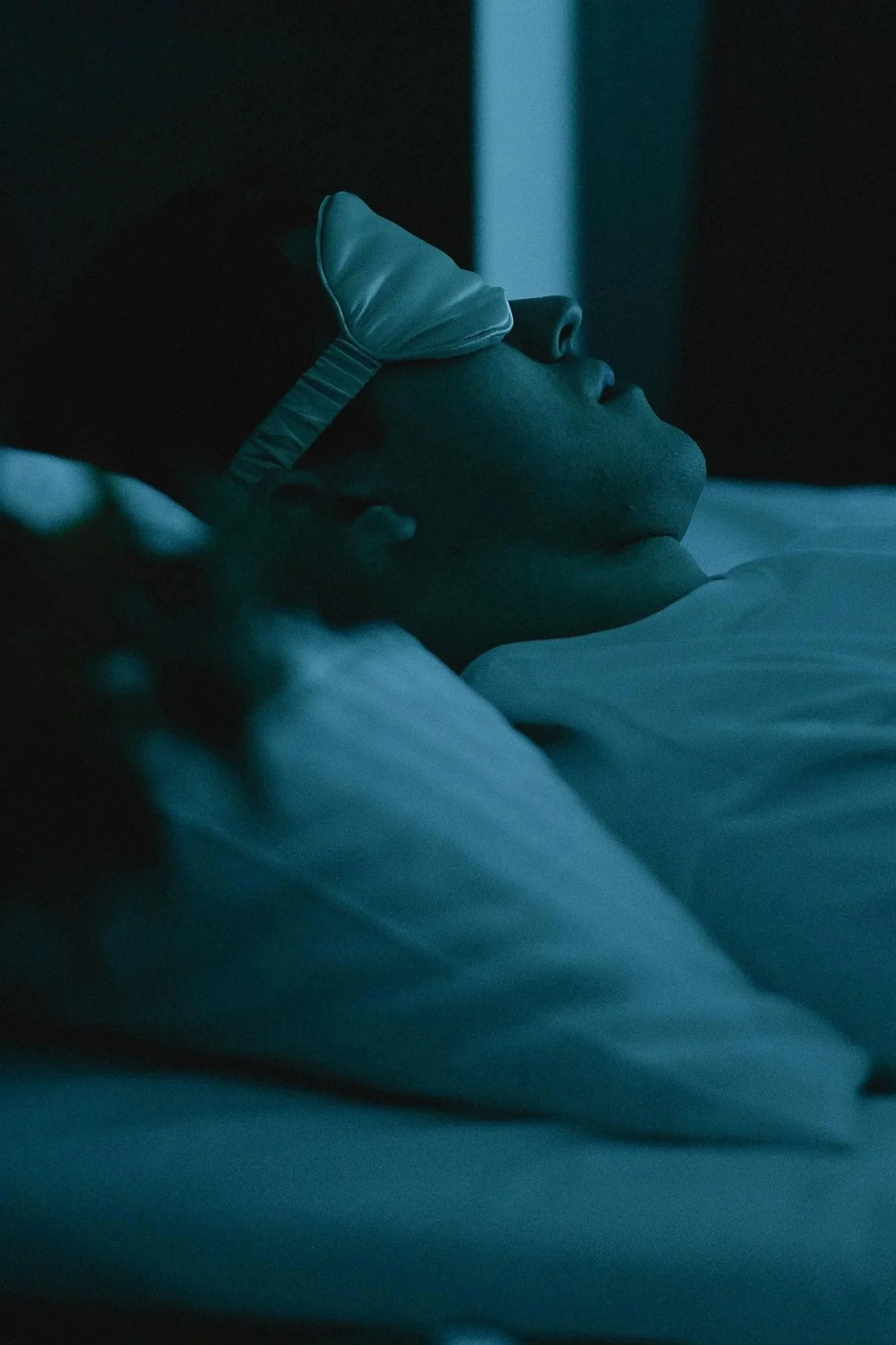
Relaxation techniques for insomnia from NJ sleep therapist

How long does it take for relaxation techniques to work?

The time it takes for relaxation techniques to improve sleep can vary widely depending on the individual, the technique used, and the consistency of practice. Some people notice immediate effects after just one session, especially with simple methods like deep breathing or guided imagery which can calm the mind and lower heart rate within minutes. Others, particularly those with chronic insomnia or long-term stress, may need days or even weeks of regular practice before experiencing noticeable improvements in sleep quality.

Consistency is key because the body and mind need time to learn new patterns. Relaxation techniques work by training the nervous system to shift from a state of alertness to one of rest. Practicing techniques like progressive muscle relaxation, mindfulness meditation, or gentle yoga regularly reinforces the brain’s association between bedtime and calmness. Over time, these techniques help reduce the racing thoughts, muscle tension, and anxiety that often keep people awake. Read our blog “5 Ways to Nurture Your Mind-Body Connection.”

It is also important to set realistic expectations. Relaxation techniques are not a “magic switch” for instant sleep, but rather a tool to gradually improve your sleep environment, both physically and mentally. Combining relaxation with good sleep hygiene, such as keeping a consistent bedtime, limiting screen exposure, and creating a comfortable sleep space, can accelerate results. Most people find that after one to four weeks of consistent practice, falling asleep becomes easier and sleep feels more restorative!

Can you combine multiple insomnia techniques for better results?

Yes, combining multiple insomnia techniques can often lead to better results than relying on just one approach. Sleep is influenced by both physical and mental factors, so addressing different aspects simultaneously can create a more powerful effect. 

For example, pairing deep breathing with progressive muscle relaxation allows you to calm the nervous system while releasing built-up muscle tension. Similarly, practicing mindfulness meditation before gentle stretching or yoga can help settle a racing mind while preparing your body for rest. When techniques complement each other, they reinforce the signals your brain receives that it is time to sleep.

However, it is important to combine strategies thoughtfully rather than overwhelming yourself with a complicated routine. Start by selecting two or three techniques that feel most natural and manageable for your lifestyle, and gradually experiment with timing and order. For instance, you might spend five minutes on deep breathing, followed by a short body scan meditation, and finish with a few restorative stretches. 

Tracking your sleep quality over time can help you see which combinations are most effective. If insomnia persists despite using multiple techniques, consulting a sleep counselor can provide guidance tailored to your unique needs, ensuring you develop a routine that truly supports consistent, restorative sleep.

Check out our blog “Which Type of Insomnia Do You Have?” for further support.

Improving sleep with relaxation techniques can take patience, but the payoff is worth it when you experience calmer nights, more restorative rest, and brighter, more energized days! While incorporating methods like deep breathing, mindfulness, or gentle stretching can make a big difference, it is important to remember that persistent insomnia may signal an underlying issue. 

If you continue to struggle despite trying these strategies, working with a sleep specialist at Anchor Therapy can provide personalized guidance and help identify any medical or behavioral factors affecting your sleep. Combining professional support with relaxation practices gives you the best chance of breaking the cycle of sleepless nights for good.

Subscribe

Sign up with your email address to receive news and updates.

We respect your privacy.

Thank you!

Victoria Scala

is the Social Media Manager and Community Engagement Director at Anchor Therapy in Hoboken, New Jersey. She is a graduate of the Honors College of Rutgers University-Newark and is currently studying Clinical Mental Health Counseling at the graduate level.


IF YOU’RE LOOKING FOR HELP FROM A PROFESSIONAL COUNSELOR TO ASSIST YOU IN MAKING POSITIVE CHANGES IN YOUR LIFE, CONTACT US

WORKING WITH US IS EASY

  1. Fill out the contact form below.

  2. Our intake coordinator will get back to you with more information on how we can help and to schedule an appointment. We will set you up with an experienced licensed therapist who specializes in what you're seeking help with and who understands your needs.

  3. You’ll rest easy tonight knowing you made the first step to improve your life. 


Check out our most popular blog posts:

Featured
What To Do When Someone Is Using You As A Scapegoat
Jul 15, 2024
What To Do When Someone Is Using You As A Scapegoat
Jul 15, 2024
Jul 15, 2024
Understanding the Psychology of Scapegoating in Families
Apr 10, 2024
Understanding the Psychology of Scapegoating in Families
Apr 10, 2024
Apr 10, 2024
Overcoming the Aftermath of Love Bombing
Feb 5, 2024
Overcoming the Aftermath of Love Bombing
Feb 5, 2024
Feb 5, 2024
How To Tell If You’re In A Toxic Relationship
Dec 14, 2022
How To Tell If You’re In A Toxic Relationship
Dec 14, 2022
Dec 14, 2022
Disney’s Encanto: How It Got Intergenerational Trauma Right
Sep 14, 2022
Disney’s Encanto: How It Got Intergenerational Trauma Right
Sep 14, 2022
Sep 14, 2022
7 Ways to Let Go of Control Issues
Jul 13, 2022
7 Ways to Let Go of Control Issues
Jul 13, 2022
Jul 13, 2022
8 Tips for Dealing With A Narcissist
Dec 8, 2021
8 Tips for Dealing With A Narcissist
Dec 8, 2021
Dec 8, 2021
How to Heal Childhood Trauma as an Adult
Oct 6, 2021
How to Heal Childhood Trauma as an Adult
Oct 6, 2021
Oct 6, 2021
11 Reasons Why You Are A People-Pleaser
Nov 25, 2019
11 Reasons Why You Are A People-Pleaser
Nov 25, 2019
Nov 25, 2019
Why People With Anxiety Cancel Plans Last Minute
Oct 31, 2019
Why People With Anxiety Cancel Plans Last Minute
Oct 31, 2019
Oct 31, 2019

Tagged: 5 Relaxation Techniques for Insomnia You Need to Know, Techniques for Insomnia, Relaxation Techniques for Insomnia, Why is it so hard to relax when I am exhausted, Common signs of insomnia, signs of insomnia, How does relaxation actually improve sleep, What does your body need to be able to fall asleep, 5 relaxation techniques for chronic insomnia, Deep Breathing Exercises, Progressive Muscle Relaxation (PMR), Muscle Relaxation, Progressive Muscle Relaxation, Guided Imagery or Visualization, Guided imagery, Visualization, Mindfulness Meditation, Gentle Yoga or Stretching, How long does it take for relaxation techniques to work, Can you combine multiple insomnia techniques for better results, Insomnia Page, insomnia issues, insomnia, insomnia nj, insomnia treatment, insomnia treatment nj, insomnia hoboken, insomnia help, insomnia therapy, insomnia therapist, insomnia treatment hoboken nj, insomnia counselor, Insomnia can be classified into various types, insomnia counseling nj, insomnia counseling, insomnia nyc, Individuals experiencing insomnia often struggle with, insomnia treatment hudson county nj, different types of insomnia, Which Type of Insomnia Do You Have, Questions to ask yourself to assess your insomnia type, What is menopausal insomnia, What is insomnia, Chronic Insomnia, Benefits of CBT for menopausal insomnia, What Is The Main Cause of Insomnia, benefits of stress counseling for insomnia, The link between perfectionism and insomnia, Here is a breakdown of when insomnia may begin and what factors contribute to its onset at different ages, Acute Insomnia, Counseling for Insomnia and Perfectionism, montclair nj therapist insomnia, How do I know if I struggle with chronic insomnia, cbt for insomnia, CBT for insomnia, cbt for insomnia hoboken, How can I know if I have insomnia, Sleep-Maintenance Insomnia, How does insomnia affect the brain, Do overthinkers have insomnia, menopause insomnia, Early Morning Awakening Insomnia, hoboken nj insomnia therapist, menopausal insomnia, 5 Ways to Fix Stress-Induced Insomnia, Sleep-Onset Insomnia, What type of insomnia do I have, bergen county insomnia therapist, stress counseling for insomnia, What age does insomnia start, What are the different types of insomnia, Treatment for Insomnia, key symptoms associated with insomnia, Does stress cause insomnia, CBT for Menopausal Insomnia, 5 Ways to Break An Insomnia Anxiety Cycle, What does menopausal insomnia feel like, How To Treat Menopause Insomnia, Can you suddenly develop insomnia, sleep coach, sleep help, sleep, sleep concerns, sleep treatment plans, sleep therapy, Signs of sleep anxiety during menopause, sleep issues, Several lifestyle habits can interfere with quality sleep, sleep anxiety treatment, sleep anxiety treatment hoboken, sleep anxiety therapist hoboken nj, sleep anxiety, sleep hygeine, sleep deprivation, sleep specialist in Hoboken nj, sleep specialist nj, sleep specialist, sleep phobia, sleep specialist hoboken, sleep specialist in Hoboken, sleep restriction counselor, sleep restriction therapy, sleep restriction counseling, sleep restriction therapist, sleep therapist hudson county nj, sleep therapist florida, sleep therapist, sleep therapist hoboken nj, sleepaway camp home sickness, symptoms of sleep anxiety, sleepaway camp separation anxiety, positive sleep habits, Tips for Better Sleep Hygiene, Tips for keeping a sleep diary, Does Sleep Restriction Therapy Actually Work, Why Sleep Hygiene Matters, five stages of sleep, teen sleep issues, 3 Ways to Relieve Sleep Anxiety, key aspects of sleep hygiene, who has sleep problems, what is revenge sleep procrastination, What is sleep restriction therapy, early signs of menopause sleep issues, improves sleep quality, How to start sleep restriction therapy, CBT for sleep, Improve Sleep and Rest Habits, quality sleep, CBT for sleep issues, cbt for sleep anxiety, revenge sleep procrastination treatment, revenge sleep procrastination counselor, Defining Sleep Anxiety, Can I do sleep restriction therapy at home, Track your sleep patterns, Why cant I sleep even though I am tired, Why can’t I sleep when I am stressed, Look for consistent sleep problems, How exactly is anxiety impacting my sleep schedule and quality, bergen county sleep therapist, Working with a sleep therapist can offer the following benefits, Why Perfectionists Struggle with Sleep, why people delay sleep, Getting adequate sleep helps with, how to get better sleep, The Importance of Sleep Hygiene, how to prioritize sleep, Challenge unhelpful sleep-related thoughts, How do I know if I have sleep anxiety, Get out of bed if you cannot sleep, what can I do to overcome revenge sleep procrastination, Stress Therapy Page, stress help, stress hoboken, stress therapy hoboken, stress help hoboken, stress treatment hoboken, Stage 2: Onset of Stress, stress treatment, stress treatment nyc, stress therapy nyc, stress coach, stress counselor hoboken, stress treatment nj, stress therapy hoboken nj, stress nyc, school stress, stress help nyc, stress, stress counselor nj, stress therapy, stress coach nj, stress counselor, stress support, stress help nj, stress management tools, stress counselor nyc, stress management therapy, symptoms of stress, Stress, stress therapy nj, stress cbt, stress hormones, stress hoboken nj, stress management, signs of stress, Signs and symptoms of caretaker stress syndrome, signs of holiday stress, signs of chronic stress, signs of caregiver stress, Signs of high-stress during pregnancy include, Social Support helps with stress management, specific populations of people may be more prone to experiencing increased stress and anxiety related to elections, Surviving Summer Internship Application Stress, stevens institute of technology stress, stress holiday planning, stress during pregnancy, stress relief, stress relief games nj, stress relief video games, stress relief for caregivers, stress florida, stress specialist nj, stress specialist, stevens university stress, stress therapist jersey city, stress therapist, stress therapist bergen county nj, stress therapist hoboken, stress therapist nyc, stress therapist jersey city nj, stress therapist hudson county nj, stress therapist hoboken nj, stress therapist new jersey, stress therapist nj, stress therapist bergen county new jersey, stress counseling, Stress and Anxiety Therapy in Hoboken, stress counseling nyc, stress counseling jersey city, stress counseling nj, stress and anxiety therapist, Stage 3: Chronic Stress, stress montclair nj, stress counseling hoboken, Stress and anxiety, stress jersey city, stress jersey city nj, symptoms of chronic stress, stress management tips, stress management techniques that I can use to help manage my OCD, stress therapy jersey city, stress management for kids, stress treatment jersey city, stress management counseling, stress bergen county nj therapist, Is holiday stress a thing, postpartum stress, Post traumatic stress disorder, Does a mother’s stress affect an unborn baby, Physical symptoms of chronic stress include, anxiety counseling nyc, anxiety counseling in Hoboken New Jersey, anxiety counseling jersey city nj, anxiety counseling in Hoboken, anxiety counselor hoboken nj, anxiety counselor nyc, anxiety counseling nj, Anxiety Counseling Page, anxiety counseling, anxiety counselor hoboken, anxiety counselor, anxiety counseling hoboken, anticipatory anxiety counseling, health anxiety counseling, social anxiety counselor, social anxiety counseling, child anxiety counselor hoboken nj, control anxiety counselor, control anxiety counseling, anticipatory anxiety therapy, anxiety therapy nyc, anxiety therapy hoboken, anxiety therapy nj, anxiety therapy, anxiety therapist nj, anxiety therapist near me, anxiety therapist florida, anxiety therapists nyc, anxiety therapist montclair new jersey, anxiety therapist, anxiety therapist nyc, anxiety therapist jersey city nj, anxiety therapist cbt, anxiety therapist montclair nj, anxiety therapist hoboken nj, anxiety therapist bergen county nj, anxiety therapist hoboken, anxiety therapy jersey city, anticipatory anxiety therapist, anxiety specialist, obsessive thoughts, obsessive thoughts are intrusive, How to Break the Cycle of Obsessive Thoughts, key characteristics of obsessive thoughts, breathwork, breathwork treatment nyc, breathwork techniques you can use to reduce anxiety, 5 Breathwork Techniques To Decrease Anxiety, Does breathwork really work, Why is Breathwork So Powerful for Anxiety, What happens during breathwork, How long should you do breathwork to reduce anxiety, Can you teach yourself breathwork, mindfulness, Mindfulness, Mindfulness Therapy Page, mindfulness therapist, mindfulness therapy, mindfulness nyc therapist, mindfulness jersey city therapist, mindfulness counselor, mindfulness counseling, mindfulness for kids, Mindfulness meditation practices, Mindfulness and Meditation helps stress, mindfulness activities that you can incorporate into your childs life, mindfulness-based therapy, mindfulness based therapist, Mindfulness-based therapy, mindfulness based therapy, mindfulness based counseling, mindfulness based counselor, Mindfulness Based Cognitive Therapy MBCT for Intuitive Eating, Mindfulness Based Cognitive Therapy (MBCT) for Stress and Anxiety, mindfulness-based cognitive therapy, mindfulness-based cognitive therapy MBCT, mental health benefits of mindfulness, mindfulness in Hoboken, mindfulness therapy psychotherapist hoboken, components of mindfulness, promotes mindfulness, examples of techniques used to cultivate mindfulness, primary purpose of practicing mindfulness, Easy Mindfulness Activities to Teach Children, How to master mindfulness, Key elements of mindfulness, Key elements of mindfulness include, Free time is beneficial for creating mindfulness within children, What is mindfulness, How can mindfulness help reduce the intensity of intrusive thoughts and compulsions, Practice Mindfulness in Nature, Practice mindfulness and body awareness, How do I make mindfulness a daily habit, why teach mindfulness to children, benefits of mindfulness, What is the primary purpose of practicing mindfulness, how to practice mindfulness, the benefits of mindfulness, Places to Practice Mindfulness in Hoboken NJ, The seven pillars of mindfulness are as follows, 5 Places to Practice Mindfulness in Hoboken, 5 Places to Practice Mindfulness in Hoboken NJ, 5 Ways to Start Practicing Mindfulness, 5 Ways to Teach Your Child Mindfulness, What are the four types of mindfulness, key benefits of practicing mindfulness, What is the true purpose of mindfulness, five ways to start practicing mindfulness, What are the seven pillars of mindfulness, meditation, Meditation for Stress and Anxiety Reduction, yoga, yoga hoboken, yoga mental health, yoga self care, yoga jersey city, yoga counseling, yoga decrease anxiety, yoga benefits, mind body, mind body connection, The Complexities of the Mind Body Connection, cbt for mind body connection, How Can The Mind Body Connection Become Damaged, Understanding the Mind Body Connection, 5 Ways to Nurture Your Mind Body Connection, How Can I Restore A Healthy Mind Body Connection

Older Post6 Common Myths About ENM Relationships and Why They Are Wrong
hobokengirl2017 Hoboken-2021-Winner-Decal Hoboken-2022-Winner-Decal Hoboken-2024-Winner-Decal
Back to Top
Anchor Therapy, LLC, 223 Bloomfield Street, Suite 121, Hoboken, NJ, 07030, United States201-565-2275cglashow@anchortherapy.org

Follow along on Instagram:

If you struggle with insomnia, you need to know these relaxation tips!

“Staring at the ceiling at 2 a.m., watching the minutes crawl by, and wondering why sleep feels so impossible… If that sounds familiar, you are not alone. Insomnia h
New hours, same steady support at Anchor Therapy!

We’re expanding our availability (by appointment only!) to better fit your life:
⚓️ Sundays: 9:00am–4:00pm
⚓️ Mondays: 7:30am–9:00pm
⚓️ Tuesdays: 8:00am–9:00pm
⚓️ Wednesdays:
We want all the tea!

Contact us to get started today!

Anchor Therapy, LLC (℠) | 80 River Street, Suite 306, Hoboken, NJ, 07030 | 201-565-2275 |

New Jersey, New York & Florida Telehealth Therapy

Providing services for Hudson County, Bergen County, Essex County, Montclair NJ, Jersey City NJ , NYC & more!

©2026 All Rights Reserved to Anchor Therapy, LLC (℠).

Read our Privacy Policy here.

Types Of Therapy:

Acceptance and Commitment Therapy (ACT)

Attachment-Based Therapy

Cognitive Behavioral Therapy (CBT)

Exposure and Response Prevention (ERP) Therapy

Eye Movement Desensitization and Reprocessing (EMDR)

Gottman Method

Mindfulness-Based Cognitive Therapy (MBCT)

Play Therapy & Art Therapy

Psychodynamic Therapy

Rational Emotive Behavior Therapy (REBT)

Solution-Focused Brief Therapy (SFBT)

Who We Treat:

Children

Teens

Adults

Older adults

Couples

Families

Groups

LGBTQIA+

Learn About Our Therapy Services:

Addiction & substance abuse counseling

Anxiety counseling

Attention-Deficit/Hyperactivity Disorder (ADHD) Counseling

Career counseling

Depression counseling

Grief counseling

Insomnia Treatment

Life transitions

OCD therapy

Postpartum depression

Relationship Counseling

School issues counseling

Telehealth

Trauma counseling

SUBSCRIBE FOR BLOG UPDATES:

Thank you!

Anchor Therapy was founded in May 2017.
