

Physical anxiety can be overwhelming, often showing up as a racing heart, tense muscles, shortness of breath, or even stomach discomfort. While anxiety starts in the mind, its effects ripple through the body, making it hard to focus, sleep, or feel at ease. For many, these physical symptoms can feel just as intense, if not more, than the anxious thoughts themselves, leaving them searching for practical ways to regain control.
Fortunately, there are tools and techniques specifically designed to calm the body during anxious moments. From mindful breathing to gentle movement and grounding exercises, these strategies help signal to your nervous system that it is safe to relax. By practicing these tools regularly, you can reduce the intensity of physical anxiety, improve your overall well-being, and create a sense of calm even in stressful situations!
Anchor Therapy is a counseling center in Hoboken, NJ with mental health therapists specialized in helping children, teens, adults, couples, and families with anxiety, depression, relationship issues, trauma, life transitions, and more. Anchor Therapy is accepting new clients and is now providing in-person sessions and teletherapy sessions to residents of New Jersey, New York, and Florida.
What does physical anxiety feel like?
Physical anxiety can feel like your body is on high alert even when there is no immediate danger. One of the most common sensations is a racing or pounding heart, often accompanied by shortness of breath or shallow breathing. These symptoms occur because anxiety triggers the body’s “fight-or-flight” response, releasing stress hormones like adrenaline that prepare you to react to a perceived threat. Even though your mind knows you are safe, your body may respond as if you are in danger, creating a confusing and uncomfortable experience.
Muscle tension is another hallmark of physical anxiety. You might notice tight shoulders, clenched jaws, or stiff neck and back muscles. Over time, this tension can lead to headaches, fatigue, or even chronic pain. Some people also experience trembling or shaking, especially in the hands or legs, as the body continues to release stress energy it does not know how to use. These sensations can be frustrating because they often persist even after the anxious thought has passed.
Digestive issues are also common in physical anxiety. Many people experience stomachaches, nausea, or “butterflies” in the stomach during periods of heightened stress. Some may notice changes in appetite or more frequent trips to the bathroom. This happens because the nervous system directs blood flow away from the digestive tract during the fight-or-flight response, slowing digestion and causing discomfort. These symptoms can make anxiety feel more tangible and harder to ignore. If this is something you struggle with, our blog “What Is The Mind-Gut Connection?” is a must-read.
Other physical signs of anxiety include dizziness, lightheadedness, or a feeling of tingling in the hands, feet, or face. You may also notice sweating, hot flashes, or chills even without changes in the environment. These sensations are part of the body’s attempt to prepare for action, but when triggered unnecessarily, they can make you feel like your body is betraying you. Recognizing these signs as anxiety-related rather than a medical emergency can help reduce fear and prevent escalation.
Finally, physical anxiety often affects sleep and energy levels. Many people experience restlessness, an inability to relax, or difficulty falling and staying asleep. The constant state of alertness can leave you drained during the day, making it harder to concentrate or complete routine tasks. View our blog “3 Ways to Relieve Sleep Anxiety.”
Understanding that these physical symptoms are part of anxiety and that they can be managed with the right tools is the first step toward calming both the mind and body.
To learn more, check out our blog “3 Ways to Manage Your Physical Anxiety Symptoms.”
Why do anxiety flare-ups happen?
Anxiety flare-ups happen when the body and mind perceive a situation as threatening, even if there is no real danger. This triggers the “fight-or-flight” response, releasing stress hormones like adrenaline and cortisol. These hormones prepare the body to react quickly, increasing heart rate, muscle tension, and alertness. While this response is helpful in genuine emergencies, it can feel overwhelming and exhausting when it occurs in response to everyday stressors, creating sudden spikes in anxiety.
Flare-ups can also be triggered by accumulated stress. Daily pressures from work, school, relationships, or finances can build over time, making the nervous system more sensitive to triggers. Even small events; a tense conversation, unexpected news, or minor setbacks; can spark an intense anxiety response when your body is already on edge. Chronic stress essentially primes the body to overreact which is why flare-ups sometimes seem to come out of nowhere. View our blog “Everything You Need to Know About Stress Management Therapy.”
Biological and chemical factors play a role as well. Fluctuations in brain chemicals like serotonin, dopamine, and GABA can increase susceptibility to anxiety. Hormonal changes, lack of sleep, a poor diet, or caffeine and alcohol intake can also lower your threshold for stress. Genetics may contribute, meaning some people are naturally more prone to sudden anxiety spikes due to inherited traits in how their nervous system responds to stress.
Finally, flare-ups often occur when anxiety-related thought patterns intensify. Worry, rumination, or catastrophic thinking can amplify physical sensations like a racing heart or tight chest, creating a feedback loop that worsens the flare-up. Read our blog “How to Break the Cycle of Obsessive Thoughts.”
Anticipating anxiety or fearing its return can also make symptoms more severe, as the mind and body stay in a heightened state of alert. Recognizing these triggers, both internal and external, is key to managing flare-ups and learning strategies to calm the body and mind before anxiety spirals.
Check out our blog “How Psychodynamic Therapy Can Help You Overcome Anticipatory Anxiety.”

What happens if you ignore anxiety?
Ignoring anxiety may feel like a way to cope in the moment, but over time it can have serious consequences for both mental and physical health. Anxiety is more than just occasional worry or stress as it is a signal from your body and mind that something needs attention.
When left unaddressed, the nervous system remains in a heightened state of alert which can make symptoms more intense and frequent. Physically, this may manifest as rapid heartbeat, muscle tension, headaches, digestive issues, or sleep disturbances, all of which can worsen if anxiety continues untreated.
Mentally, ignoring anxiety can reinforce negative thought patterns. Avoidance may provide temporary relief, but it often increases fear and uncertainty over time. Small worries can grow into pervasive rumination, creating a cycle where anxious thoughts feed themselves.
This can lead to chronic stress, difficulty concentrating, memory problems, and decreased problem-solving ability. Ignoring anxiety can also reduce confidence in handling everyday challenges, making even minor stressors feel overwhelming.
Behaviorally, untreated anxiety can affect daily functioning and relationships. You may withdraw socially, avoid responsibilities, or rely on unhealthy coping mechanisms such as alcohol, drugs, or overeating. Risk-taking behaviors may increase as a misguided way to release pent-up stress. Over time, these patterns can strain friendships, family relationships, and work performance, creating additional stress that feeds the anxiety further.
Ignoring anxiety can also increase the likelihood of developing more serious mental health conditions. Chronic anxiety is associated with depression, panic disorders, and other stress-related disorders. Additionally, prolonged physical stress from anxiety can contribute to long-term health issues such as high blood pressure, heart problems, or weakened immune function.
Seeking support, whether through self-care techniques, lifestyle adjustments, or working with an anxiety therapist, is critical to managing anxiety effectively. Addressing it early not only reduces immediate discomfort but also prevents the escalation of symptoms and long-term health complications. In short, ignoring anxiety may seem easier in the short term, but it comes with significant mental, physical, and emotional costs.
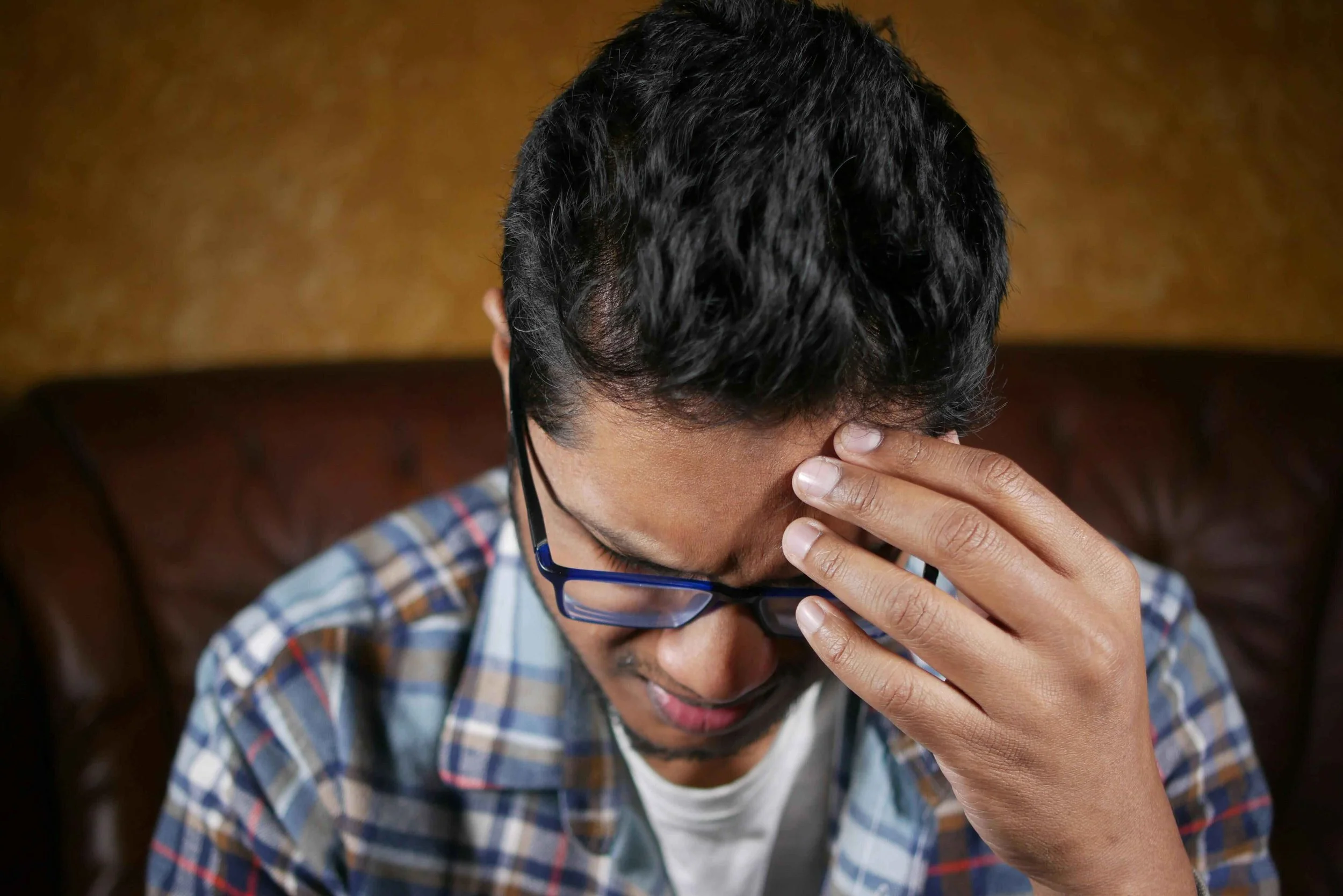
5 practical strategies for physical anxiety symptoms
Physical anxiety can be exhausting, leaving your body tense, your heart racing, and your mind restless. Unlike general worry, these symptoms are felt in the body, making it hard to focus, sleep, or relax.
The good news is that there are practical strategies you can use to calm these physical responses and regain a sense of control!
Below are five effective tools that target the body directly, helping to reduce the intensity of anxiety and create lasting calm.
1. Deep Breathing Exercises
One of the most immediate ways to calm physical anxiety is through controlled, deep breathing. Techniques like diaphragmatic breathing or the 4-7-8 method slow your heart rate and signal to your nervous system that it is safe to relax. Inhale deeply through your nose, hold for a few seconds, and exhale slowly through your mouth. Practicing this for a few minutes can reduce shortness of breath, chest tightness, and tension, while promoting a feeling of calm throughout the body. To learn more, read our blog “5 Breathwork Techniques to Decrease Anxiety.”
2. Progressive Muscle Relaxation (PMR)
Progressive Muscle Relaxation (PMR) involves intentionally tensing and then releasing each muscle group in your body. Starting from your toes and moving up to your shoulders and face, this practice helps identify areas of tension you may not notice and releases it systematically. PMR can reduce headaches, neck stiffness, and other tension-related symptoms while promoting mindfulness and bodily awareness which often diminish anxiety’s grip. Check out our blog “5 Ways to Start Practicing Mindfulness.”
3. Grounding Techniques
When physical anxiety feels overwhelming, grounding exercises can anchor you in the present moment. Simple methods include focusing on five things you can see, four things you can touch, three things you can hear, two things you can smell, and one thing you can taste. This sensory awareness interrupts anxious thought patterns and helps your body move out of the heightened “fight-or-flight” state.
4. Gentle Movement and Exercise
Movement is a powerful way to dissipate the excess energy that comes with anxiety. Activities like walking, yoga, stretching, or light cardio encourage blood flow, release tension, and trigger endorphins that naturally reduce stress. Even a few minutes of intentional movement can calm a racing heart, loosen tight muscles, and improve focus, making it easier to return to a relaxed state. Read our blog “5 Ways Exercise Benefits Your Mental Health.”
5. Working with a Therapist
Sometimes, physical anxiety symptoms require professional guidance to fully manage. A depression or anxiety therapist at Anchor Therapy can teach coping strategies, breathing techniques, and cognitive-behavioral tools to address both the mind and body. Therapy provides a safe space to explore triggers and learn skills that reduce flare-ups, prevent escalation, and improve overall well-being. Combining professional support with daily strategies can be transformative for managing physical anxiety.
Managing physical anxiety takes patience and consistency, but these strategies offer tangible ways to regain control. By incorporating deep breathing, progressive muscle relaxation, grounding exercises, movement, and professional support, you can reduce the intensity of symptoms and create a calmer, more balanced body. Over time, these tools help you respond to stress more effectively, turning anxiety from an overwhelming force into something that feels manageable.
Physical anxiety can feel overwhelming, but it is important to remember that your body’s response is a signal not a weakness. Racing heartbeats, tense muscles, shallow breathing, or digestive discomfort are all ways your nervous system is communicating stress. While these sensations can be alarming, they are also manageable. The five tools discussed of deep breathing, progressive muscle relaxation, grounding exercises, gentle movement, and working with a therapist provide practical ways to calm your body and regain control over anxiety symptoms.
Remember that consistency is key. Using these strategies regularly, even when anxiety feels mild, helps your nervous system stay regulated and makes flare-ups easier to handle when they arise. Deep breathing and grounding techniques give you immediate relief in stressful moments, while movement and relaxation exercises help release long-term tension. Partnering with a stress and anxiety therapist adds another layer of support, offering personalized guidance and tools tailored to your needs. Therapy not only addresses the physical manifestations of anxiety but also helps explore triggers and develop long-term coping strategies.
Ultimately, managing physical anxiety is about creating a balanced relationship with your body and mind. It involves noticing when tension arises, responding with care, and allowing yourself the time and space to recover. By integrating these tools into your daily routine and seeking professional support when needed, you can reduce the intensity of symptoms, prevent escalation, and improve your overall well-being. Taking proactive steps toward calming physical anxiety is a sign of strength, not weakness, and it can empower you to navigate life with greater confidence and calm.

Victoria Scala
is the Social Media Manager and Community Engagement Director at Anchor Therapy in Hoboken, New Jersey. She is a graduate of the Honors College of Rutgers University-Newark and is currently studying Clinical Mental Health Counseling at the graduate level.
IF YOU’RE LOOKING FOR HELP FROM A PROFESSIONAL COUNSELOR TO ASSIST YOU IN MAKING POSITIVE CHANGES IN YOUR LIFE, CONTACT US
WORKING WITH US IS EASY
Fill out the contact form below.
Our intake coordinator will get back to you with more information on how we can help and to schedule an appointment. We will set you up with an experienced licensed therapist who specializes in what you're seeking help with and who understands your needs.
You’ll rest easy tonight knowing you made the first step to improve your life.



You hit every deadline this week. You made it to Saturday’s soccer game, answered the late emails, and nobody at work would guess how many nights end with a bottle of wine you meant to stop halfway through. From the outside, life looks fine. So when the thought “Do I drink too much?” shows up, it’s easy to push it aside because you’re handling everything.
If you’ve typed “what is a high functioning alcoholic” into a search bar at 1 a.m., that question deserves a clear answer. A high functioning alcoholic is someone who meets the criteria for alcohol use disorder while still keeping up with work, family, and daily life. That’s why the drinking can stay hidden from the people around you, and often from yourself. Below, we’ll walk through the signs, why this pattern is so easy to miss, what tends to happen over time, and how therapy helps you or someone you love.