

You expected childbirth to be hard. You didn't expect it to leave you flinching at hospital smells, replaying the delivery room in your mind, or going numb when someone asks how the birth went. Birth trauma PTSD is a stress response that can follow a scary, out-of-control, or life-threatening delivery, even if the medical outcome was fine. It's one of the most overlooked parts of new parent mental health, and it's more common than most people realize.
At Anchor Therapy, we've sat with plenty of new parents who thought their fear, flashbacks, or dread meant something was wrong with them. What it usually means is that their nervous system is still trying to process something scary that happened to their body.
This post breaks down what birth trauma PTSD looks like, why it happens, and how therapy can help you feel like yourself again. Plenty of people spend months wondering what birth trauma in mothers actually looks like before they ever hear the term.
Anchor Therapy is a counseling center in Hoboken, NJ with mental health therapists specialized in helping children, teens, adults, couples, and families with anxiety, depression, relationship issues, trauma, life transitions, and more. Anchor Therapy is accepting new clients and is now providing in-person sessions and teletherapy sessions to residents of New Jersey, New York, and Florida.
What Is Birth Trauma PTSD?
Birth trauma PTSD is a type of PTSD that can develop after a scary delivery. It shows up as flashbacks, intrusive memories, avoidance, and a jumpy, on-edge feeling tied to the birth. It can follow a vaginal delivery or a cesarean. It affects partners too, not just the birthing parent.
Doctors call this childbirth-related PTSD. It's a real, recognized type of PTSD, not a lesser version of it. A birth doesn't need to involve a life-threatening emergency to feel traumatic.
Loss of control can make a birth feel traumatic. So can feeling dismissed by a provider. So can fearing for the baby's safety, even when everyone ends up okay. Many people have some of these symptoms without meeting every mark of a full PTSD diagnosis, and those symptoms still deserve support.
How Common Is Birth Trauma PTSD?
Birth trauma PTSD affects about three to four percent of women after birth. That number jumps to fifteen to nineteen percent for women with pregnancy complications or a hard delivery. This comes from a review in the National Library of Medicine.
That range is important. It shows this isn't a rare event limited to the worst emergencies. Postpartum Support International reports that about one in three birthing people call their delivery traumatic, and four to six percent go on to develop full PTSD.
Most people never hear the term birth trauma PTSD until they're already deep in the symptoms. Maternity care rarely screens for it the way it screens for Postpartum Depression (PPD). Asking about the birth itself is often the missing question at every follow-up visit.
Signs and Symptoms of Birth Trauma PTSD
Birth trauma PTSD doesn't always look like what people picture when they hear the word PTSD. Here's what it can actually look like in the weeks and months after delivery:
Flashbacks or intrusive memories of the delivery room
Avoiding anything that reminds you of the birth, including hospitals, appointments, or even telling your birth story
Feeling emotionally numb or disconnected from your baby or your body
Trouble sleeping, feeling on edge, or an exaggerated startle response
Anxiety or panic around future pregnancies or medical procedures
Shame, anger, or grief about how the birth went, no matter how healthy your baby is now
Symptoms can show up right away. Sometimes they take weeks to surface, especially once the adrenaline of new parenthood wears off. None of these reactions have anything to do with how much you love your baby. They show up because your body is still holding onto something it hasn't finished processing.
What Can Make a Birth Feel Traumatic
Trauma is subjective. Two people can go through the same type of delivery, and only one of them ends up with PTSD symptoms. Here are some of the experiences we hear about most in session:
An emergency C-section or a sudden shift from a planned birth to an urgent one
Feeling unheard, dismissed, or unable to advocate for yourself during labor
A NICU stay, a birth injury, or a scare involving the baby's safety
Severe pain, a long or hard labor, or complications like hemorrhage
A history of past trauma, including sexual trauma, that gets triggered during delivery
Even a birth that looks textbook on paper can feel traumatic. It comes down to whether someone felt fear, powerlessness, or a total loss of control at any point. That subjective experience is what matters clinically, not whether the delivery matched a checklist.
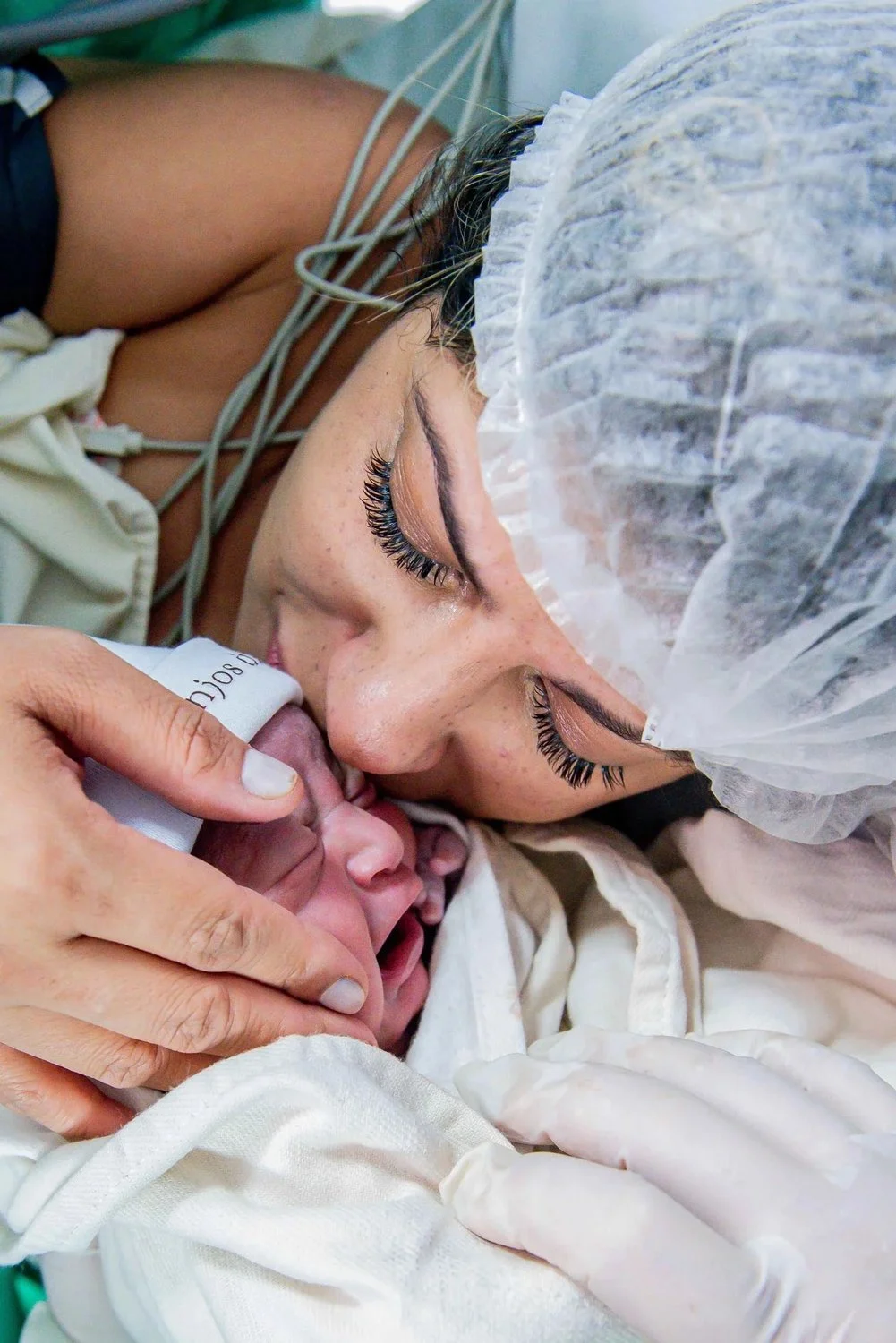
How Birth Trauma PTSD Differs from Postpartum Depression and Postpartum OCD
People often lump birth trauma PTSD in with postpartum depression or postpartum OCD. But these are three separate things. Each one needs its own plan. Postpartum depression centers on sadness, hopelessness, and low energy, and we've written about coping tips for PPD on our blog.
Postpartum OCD centers on unwanted, repeated thoughts about harm coming to the baby, and we've also covered that topic on our blog.
Birth trauma PTSD is different from both. It centers on the delivery itself, with flashbacks and avoidance tied directly to that one event.
These conditions can overlap. Plenty of birth parents deal with more than one at the same time. That's why an accurate assessment from a perinatal-informed therapist matters so much since the right read on what's happening shapes the right treatment plan.
Why Birth Trauma Often Goes Unrecognized
In our view, the biggest barrier to healing from birth trauma PTSD is that almost nobody asks new parents how the birth actually felt, not a lack of good treatment options. Obstetric follow-up visits check on stitches and bleeding. They rarely check on whether you're still replaying the moment you thought something had gone terribly wrong.
We've worked with clients who didn't realize what they were feeling was trauma until months into therapy. They'd been told, again and again, that a healthy baby meant they had nothing to complain about. One client felt her chest tighten every time she passed the hospital where she delivered, more than a year later. Having language for what was happening finally let the shame sitting on top of her symptoms start to lift.
Family and friends mean well when they focus on the baby's health. But that focus can quietly teach new parents to downplay their own experience, and that delays the moment they finally ask for help.
Trauma from a difficult birth can also echo trauma from other parts of life, including medical trauma unrelated to childbirth. Our post on healing from medical trauma covers a lot of the same ground.
How Birth Trauma PTSD Can Affect Bonding and Future Pregnancies
Birth trauma PTSD doesn't stay contained to memories of the delivery room. It can make bonding with your baby harder, since certain sounds, smells, or caregiving tasks can trigger the same fear response the birth did. Some parents describe going through the motions of caring for their baby while feeling emotionally far away.
It can also shape how someone feels about a future pregnancy. A strong fear of childbirth is one of the biggest risk factors for birth trauma PTSD showing up again next time. Working through the first birth in therapy can change how someone approaches a second one entirely.
We've also seen birth trauma PTSD spill into a couple's relationship. Exhaustion, fear, and grief over the birth can make it harder to feel close to a partner during an already demanding stretch of new parenthood. Addressing the trauma directly tends to ease that ripple effect too.
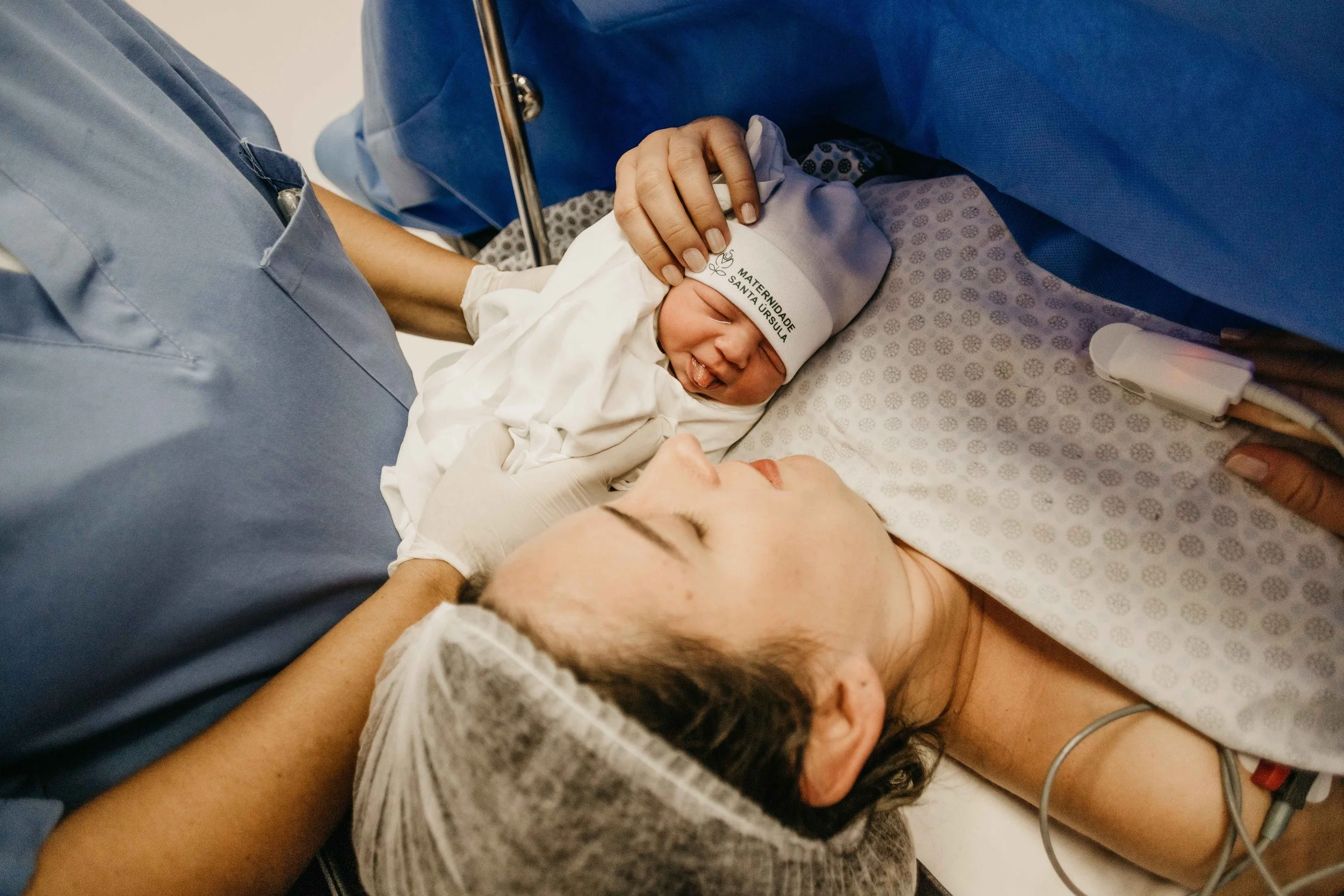
How Therapy Helps with Birth Trauma PTSD
Trauma therapy works best for birth trauma PTSD. Eye Movement Desensitization and Reprocessing (EMDR) is one option, and it has strong research behind it. At Anchor Therapy, our trauma counseling helps you work through the delivery. You won't need to relive every detail out loud, over and over.
Therapy also gives you space to grieve the birth experience you expected but didn't get. That's its own kind of loss, and it deserves its own space in the room.
In session, we often start by simply asking someone to tell their birth story exactly the way they remember it, without judgment about which parts are supposed to feel traumatic. In our experience, many people carry thoughts about their birth that they've never said out loud, sometimes as extreme as believing they were going to die. Naming those thoughts in a session, instead of carrying them silently, is often the first step in the memory losing some of its grip.
The goal of treatment is to help your nervous system understand that the danger has passed. Nothing about the birth gets erased, and it doesn't need to be. Over time, the memory can move from a live wire to a story you can tell without your body reacting like it's happening all over again.
Most people want to know what the first few sessions actually look like before they book one. In our experience, nobody gets asked to relive the delivery on day one. The early sessions are usually about getting your nervous system steady enough that the memory can be worked with at all, which can mean grounding skills, sleep, and figuring out which triggers are showing up in your week. From there, your therapist will talk through the options with you, whether that's EMDR, trauma-focused CBT, or reproductive and perinatal counseling that treats the birth alongside everything else that changed when you became a parent. You get a say in the pace the whole way through.
What You Can Do Right Now
Therapy is the most effective path forward, but you don't have to wait for your first session to start feeling better. A few small steps can help in the meantime:
Write down what you remember about the birth, even in fragments, so the memory feels less overwhelming
Tell one trusted person the parts of your birth story you haven't said out loud yet
Notice your triggers, like a certain smell or sound, without forcing yourself to sit with them alone
Give yourself permission to grieve the birth you expected, even while loving the baby you have
None of these steps replace therapy. They're simply a starting point while you look for the right support.
How to Support a Partner or Loved One with Birth Trauma PTSD
Partners and family members often want to help but don't know where to start. A few things tend to make a real difference:
Ask how the birth actually felt for them, not just how the baby is doing
Avoid comparing their experience to other births or telling them they should just feel grateful
Encourage professional support without pushing them to talk before they're ready
Take on caregiving tasks that overlap with their triggers, like medical appointments, when you can
Small, steady support goes a long way. Feeling believed is often the first thing that helps someone stop minimizing what they went through.
Does Birth Trauma PTSD Go Away on Its Own?
For some people, symptoms fade naturally within the first few months as the nervous system settles and support systems kick in. For others, symptoms stick around for years without treatment, especially when the birth involved a real threat to life or a past trauma got triggered during delivery.
Trauma-focused therapy speeds up recovery either way. It also lowers the odds symptoms come back during a future pregnancy which matters if you're planning to have another baby down the line.
Can Partners Develop Birth Trauma PTSD Too?
Yes. Watching a medical emergency, a NICU stay, or an out-of-control birth can be its own trauma, separate from what the birthing parent went through. Partners often get skipped entirely in postpartum follow-up care since most check-ins focus on the birthing parent and the baby.
Their symptoms respond to the same trauma-focused treatment. A birth that shook you as the support person in the room deserves attention too, not just a passing mention. Partners sometimes assume they don't have the right to be shaken by someone else's delivery, but that isn't how trauma works.
When Should You Reach Out for Support?
The right time to reach out is whenever flashbacks, avoidance, anxiety, or numbness from your birth start getting in the way of daily life, sleep, or bonding with your baby, especially two weeks or more after delivery. Birth trauma PTSD is treatable. You don't need a formal diagnosis to start therapy.
Anchor Therapy works with birth parents and partners across New Jersey, New York, and Florida. We offer in-person sessions in Hoboken, plus virtual therapy too.
Our team is trained in perinatal mental health and in trauma work like EMDR. You deserve support that takes your birth story seriously, not just your baby's health.
Whenever you're ready to talk to someone, you can reach us through the intake form below. Our intake coordinator will get back to you and introduce you to our team of therapists. It’s time to give yourself the same care you gave everyone else during the delivery.

Victoria Scala
is the Community Engagement Director, Office Manager, and Social Media Manager at Anchor Therapy in Hoboken, New Jersey. She is a graduate of the Honors College of Rutgers University-Newark and is currently studying Clinical Mental Health Counseling at the graduate level.
IF YOU’RE LOOKING FOR HELP FROM A PROFESSIONAL COUNSELOR TO ASSIST YOU IN MAKING POSITIVE CHANGES IN YOUR LIFE, CONTACT US
WORKING WITH US IS EASY
Fill out the contact form below.
Our intake coordinator will get back to you with more information on how we can help and to schedule an appointment. We will set you up with an experienced licensed therapist who specializes in what you're seeking help with and who understands your needs.
You’ll rest easy tonight knowing you made the first step to improve your life.
Having trouble with this form? Email us directly at info@anchortherapy.org with the information in the form.



Maybe you're the one who gets blamed no matter what actually happened, at home, at work, or even with friends. Something goes wrong, and somehow it lands on you. If that sounds familiar, there's a word for what's happening: scapegoat. A scapegoat is a person who's unfairly blamed for problems they didn't cause. Scapegoating shows up most in families, where it's often called being the family scapegoat.